view more
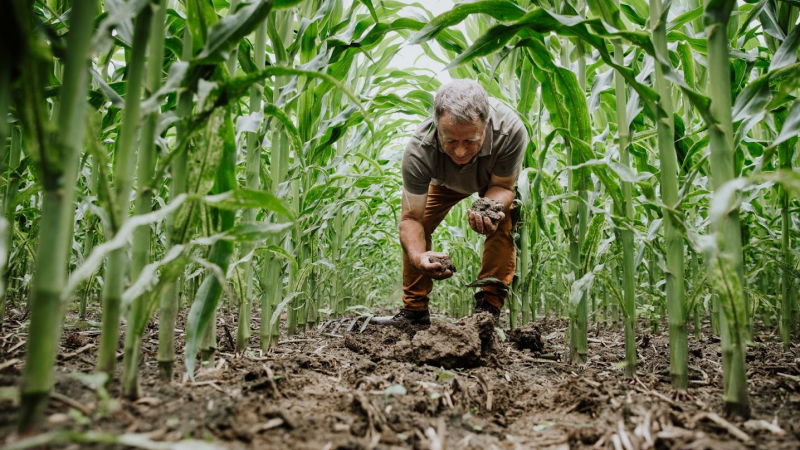
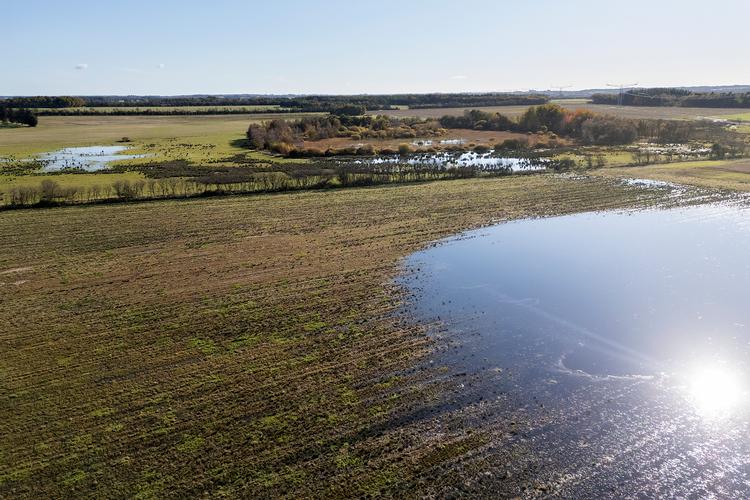
At first glance, it looks like a simple calculation. The state offers compensation. The climate demands action. Low-lying soils must be restored as wetlands. Yet landowners hesitate. According to anthropologist and PhD student Kasper Krabbe from the Department of Agroecology at Aarhus University, that is exactly where the misunderstanding begins.
“Of course, the size of the financial compensation matters. But our study shows that it cannot stand alone if we want to understand why landowners say yes or no,” he says.
Together with colleagues from Aarhus University and the University of Copenhagen, he has investigated why some Danish landowners decline to convert their land, even when compensation is readily available.
The results point to a tension between what is easiest to design policy around, economic compensation, and what is hardest to formalize: responsibility, uncertainty, professional pride, and attachment to the land.