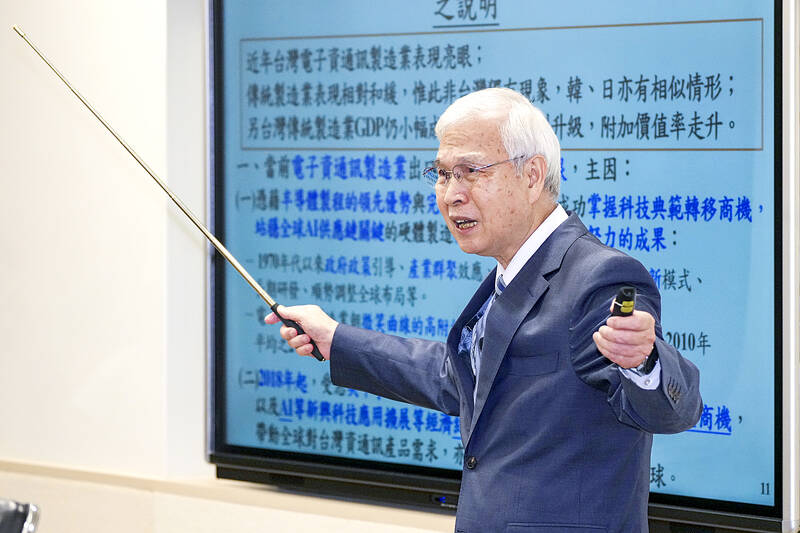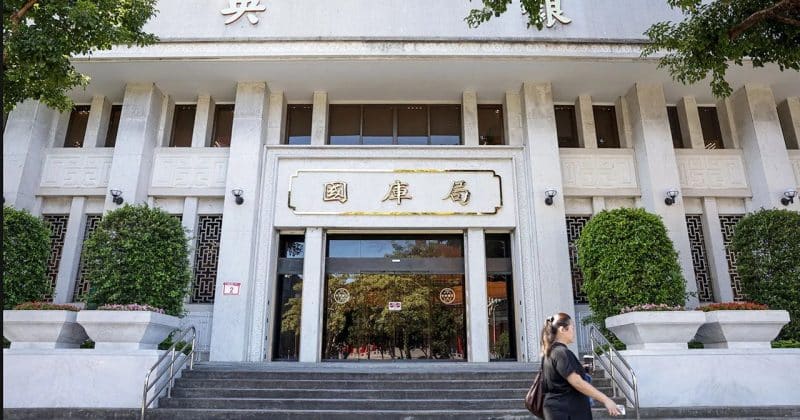
Taiwan just took its most concrete step yet toward treating Bitcoin as more than a speculative curiosity. On April 29, Legislator Dr. Ko Ju-Chun presented a report from the Bitcoin Policy Institute to both Premier Cho Jung-tai and Central Bank of China (CBC) Governor Yang Chin-long during a legislative session, arguing that Taiwan should allocate a portion of its foreign exchange reserves to Bitcoin.
Taiwan holds approximately $602 billion in foreign exchange reserves. The BPI report makes the case that even a small slice directed toward Bitcoin could provide meaningful diversification, seizure resistance, and a hedge against inflationary monetary policies, particularly those tied to heavy USD exposure.
The geopolitical argument Taiwan can’t ignore
The BPI report frames Bitcoin’s seizure resistance as a feature with obvious relevance for an island nation facing persistent territorial threats from the People’s Republic of China. Traditional reserve assets like US Treasuries or gold held in foreign vaults carry counterparty risk. If geopolitical tensions escalate, those assets could theoretically be frozen, redirected, or rendered inaccessible. Bitcoin, stored with proper custody protocols, sidesteps that problem entirely.