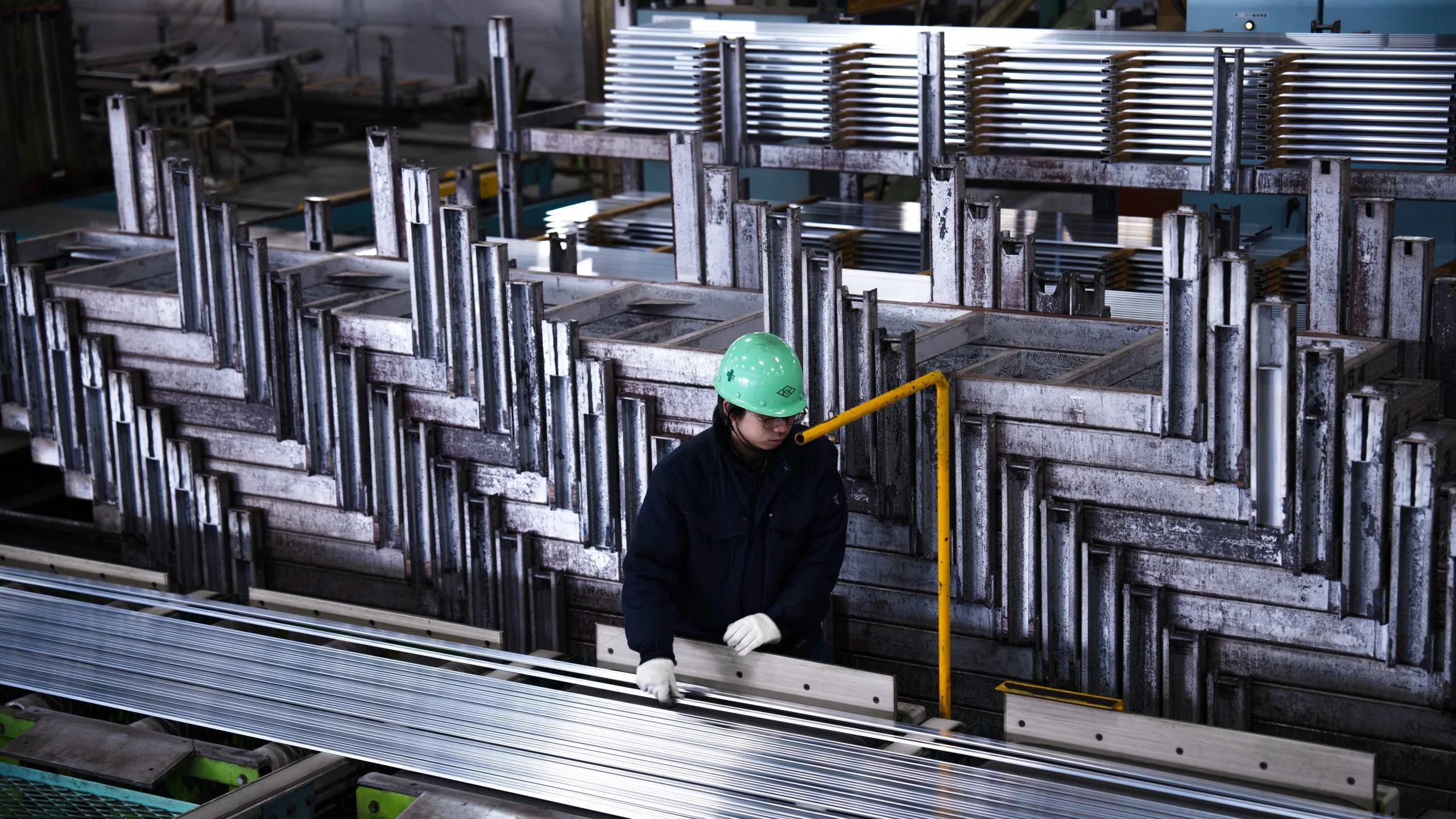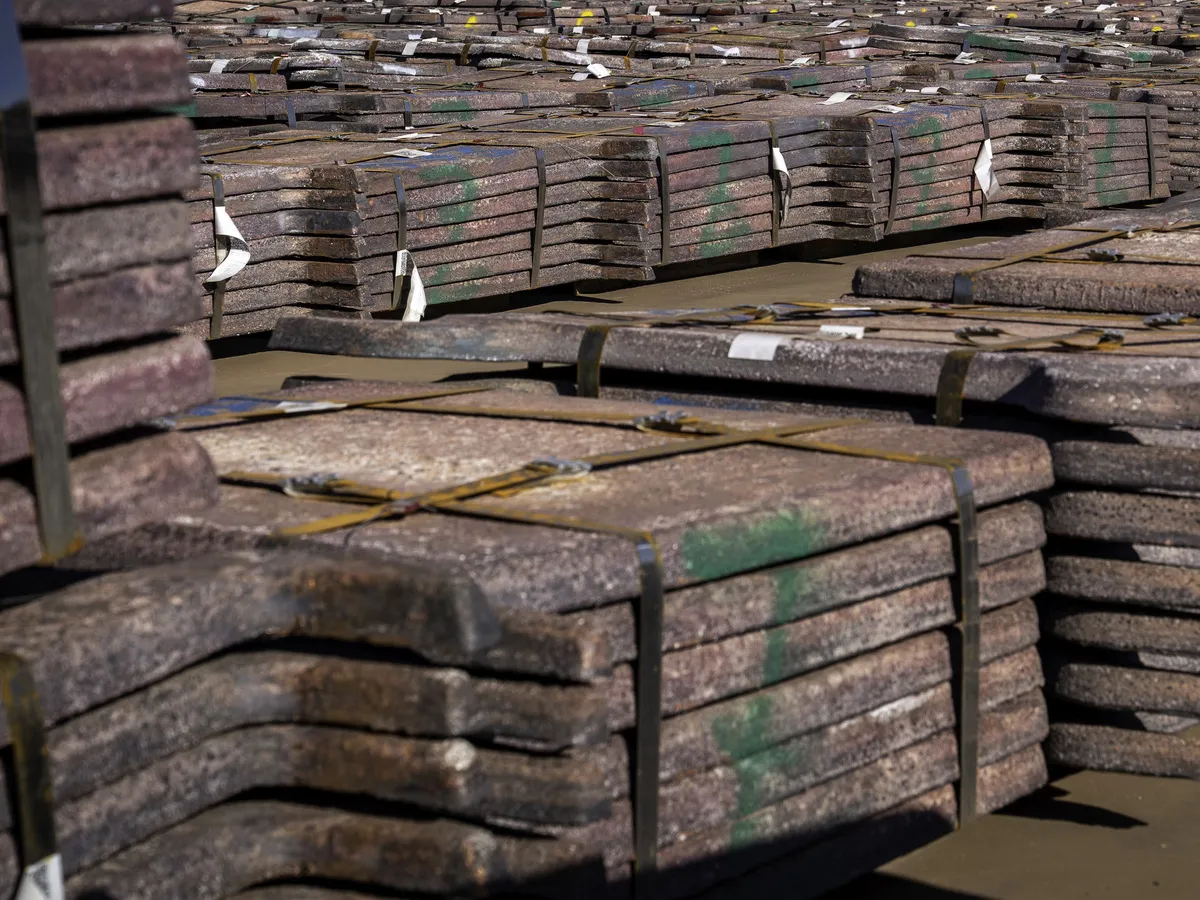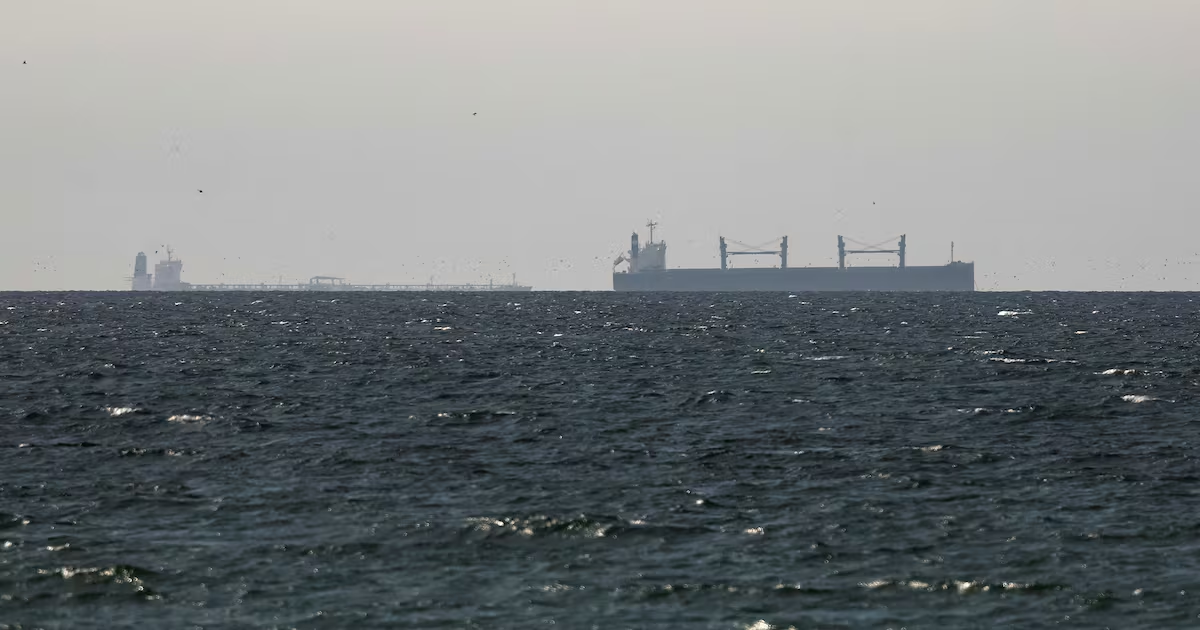
Skip to Content News Archives Economy Energy Oil & Gas Renewables Electric Vehicles Mining Commodities Agriculture Real Estate Mortgages Mortgage Rates Finance Banking Insurance Fintech Cryptocurrency Work Wealth Smart Money Wealth Management Investor Personal Finance Family Finance Retirement Taxes High Net Worth FP Comment Executive Women Puzzmo Newsletters Financial Times Business Essentials More Innovation Information Technology FP500 Podcasts Small Business Lives Told Tails Told Shopping Financial Post Store Obituaries Place a Notice Advertising Advertising With Us Advertising Solutions Postmedia Ad Manager Sponsorship Requests Classifieds Place a Classifieds ad Working Profile Settings My Subscriptions Saved Articles My Offers Newsletters Customer Service FAQ News Economy Energy Mining Real Estate Finance Work Wealth Investor FP Comment Executive Women Puzzmo Newsletters Financial Times Business Essentials HomeCommoditiesEconomyAluminum slumps as Iran peace deal softens blow of supply crisisShipowners, importers and exporters say they need more details on the deal to assess whether safe transits are possibleAuthor of the article:Last updated 0 minutes ago You can save this article by registering for free here. Or sign-in if you have an account.Some analysts expect that the aluminum industry will continue to face an uphill struggle in replenishing diminished reserves as other supply headwinds continue. Photo by Louise Delmotte/BloombergAluminum slumped to the lowest in more than two months as an interim agreement between the United States and Iran laid the groundwork for the resumption of metal shipments through the Strait of Hormuz.Subscribe now to read the latest news in your city and across Canada.Exclusive articles from Barbara Shecter, Joe O'Connor, Gabriel Friedman, and others.Daily content from Financial Times, the world's leading global business publication.Unlimited online access to read articles from Financial Post, National Post and 15 news sites across Canada with one account.National Post ePaper, an electronic replica of the print edition to view on any device, share and comment on.Daily puzzles, including the New York Times Crossword.Subscribe now to read the latest news in your city and across Canada.Exclusive articles from Barbara Shecter, Joe O'Connor, Gabriel Friedman and others.Daily content from Financial Times, the world's leading global business publication.Unlimited online access to read articles from Financial Post, National Post and 15 news sites across Canada with one account.National Post ePaper, an electronic replica of the print edition to view on any device, share and comment on.Daily puzzles, including the New York Times Crossword.Create an account or sign in to continue with your reading experience.Access articles from across Canada with one account.Share your thoughts and join the conversation in the comments.Enjoy additional articles per month.Get email updates from your favourite authors.Create an account or sign in to continue with your reading experience.Access articles from across Canada with one accountShare your thoughts and join the conversation in the commentsEnjoy additional articles per monthGet email updates from your favourite authorsSign In or Create an AccountorPrices for the lightweight metal dropped as much as 4.4 per cent in London, as the two sides agreed to a deal, with the strait to reopen when the agreement is expected to be signed on Friday. Details of the plan are still being negotiated.The Iran war caused steep supply losses as Middle Eastern aluminum smelters were targeted in missile attacks and the closure of the vital waterway choked off supplies of incoming raw materials and outbound metal. Producers responded with logistical workarounds to keep plants running, but the war still left the industry contending with a major supply deficit.“Aluminum prices look vulnerable near-term as supply risks ease and demand concerns persist,” Bank of America analysts including Michael Widmer said in a note. While production from the Middle East, which accounts for about 10 per cent of global supply, dropped by 35 per cent year-on-year in April, there’s a risk that this is partly offset by rising production in and from China, the world’s largest producer, according to the analysts.Other downside risks for aluminum prices include the release of Middle East aluminum inventories should the Strait of Hormuz reopen and increased supply from smelters in Indonesia, the analysts added.President Donald Trump said Sunday in a social media post that he was authorizing the “toll free opening” of Hormuz. Iran will allow free transit through the waterway for only 60 days, Fars news agency reported, citing a person familiar with the matter. Copper bars at a wholesale metal dealer in Mumbai, India, on Thursday, Jan 8, 2026.Photographer: Dhiraj Singh/BloombergStill, shipowners say they need more details to assess whether safe transits are possible, and some analysts expect that the aluminum industry will continue to face an uphill struggle in replenishing diminished reserves as other supply headwinds continue.China has ramped up exports since the war began, but producers are now running into a government-imposed cap on output. Manufacturers have tapped inventories held on exchange and in private storage, and drawdowns may continue while flows from the Middle East remain constrained, according to Gregory Shearer, head of base and precious metals research at JPMorgan Chase & Co.“If the strait does reopen, we could see a knee-jerk drop in prices because aluminum has been highly correlated with energy,” Shearer said. “But we still conclude that the market is facing a major supply gap, and the key question is how much longer it will be before those invisible inventories are depleted, and visible inventories start to be drawn down.”Aluminum on the London Metal Exchange fell 4.2 per cent to US$3,385.50 a ton as of 4:18 p.m. local time. All other LME metals were higher, with copper up 0.4 per cent at US$13,746.50 a ton, while tin jumped 2.8 per cent.—With assistance from Martin Ritchie. Join the Conversation This website uses cookies to personalize your content (including ads), and allows us to analyze our traffic. Read more about cookies here. By continuing to use our site, you agree to our Terms of Use and Privacy Policy.
Aluminum slumps as Iran peace deal softens blow of supply crisis
Aluminum slumped to the lowest in over two months as an interim peace deal laid the groundwork for resumption of metal shipments. Read on
TL;DRAI
US-Iran interim deal to reopen Strait of Hormuz dropped aluminum 4.4%; Middle East supply still 35% below year-ago (10% global production). Supply gaps persist as China output caps and inventory depletion continue—infrastructure capex budgets face sustained commodity volatility.
962 words~4 min read