Startups in the sector have raised over $1.28 billion since 2019. A third of the capital now comes as debt, in larger rounds, and from lenders rather than venture investors, a sign the sector is being financed like infrastructure
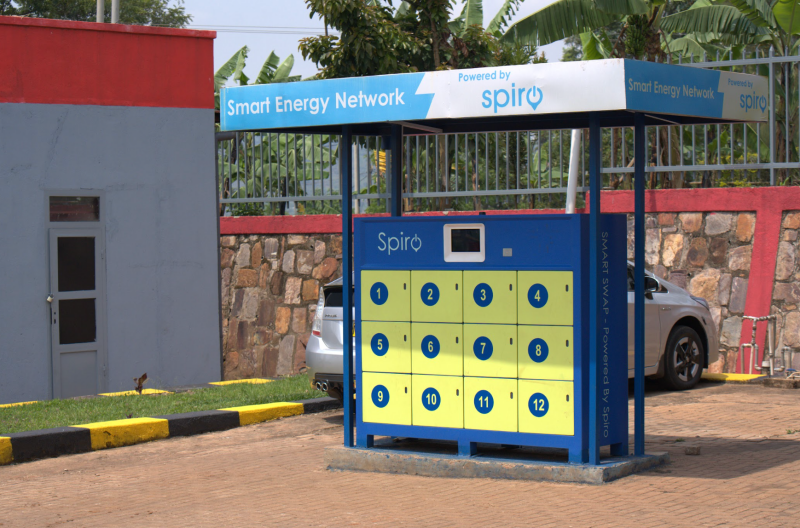
For most of the last decade, investing in an African electric mobility startup was a bet on an unproven market. Our latest analysis of the funding data says that era is closing. Companies building electric two- and three-wheelers, e-buses, battery-swap networks and the financing to put vehicles under riders have raised $1.28 billion across 129 deals between 2019 and early June 2026, according to the TechCabal Insights Deal Tracker. The African Development Bank (AfDB) sees the same shift. According to Wale Shonibare, the director energy financial solutions, policy and regulation:
“The Bank’s approach to supporting e-mobility operators is evolving and financing is now contingent on three conditions: scalable, commercially viable business models, predictable revenue streams, and an enabling regulatory environment. To back that transition, AfDB is developing the Green Mobility Facility for Africa (GMFA), a blended finance platform expected to mobilize more than $300 million to unlock commercial lending, support pipeline development and deploy capital through a mix of instruments including guarantees and financial intermediation with commercial banks.”