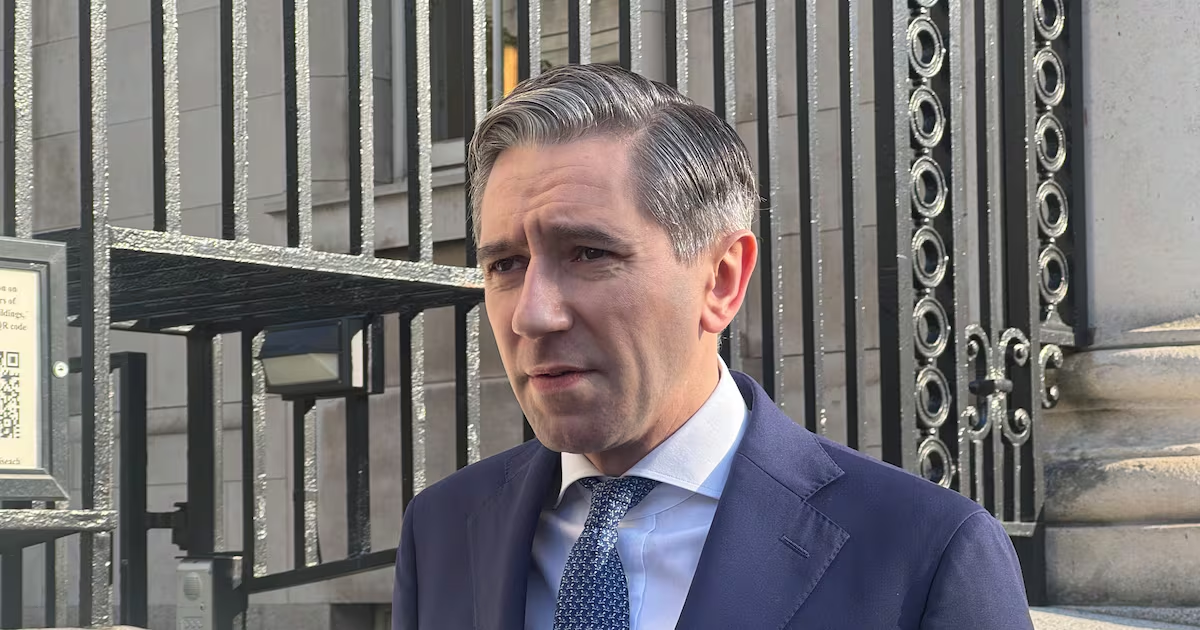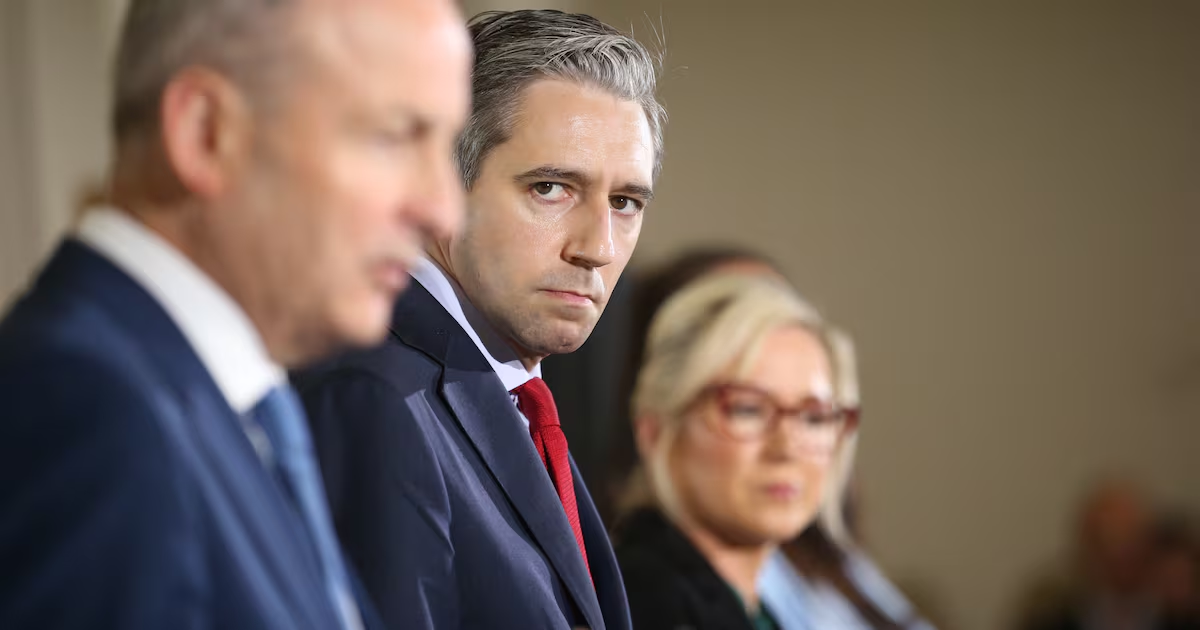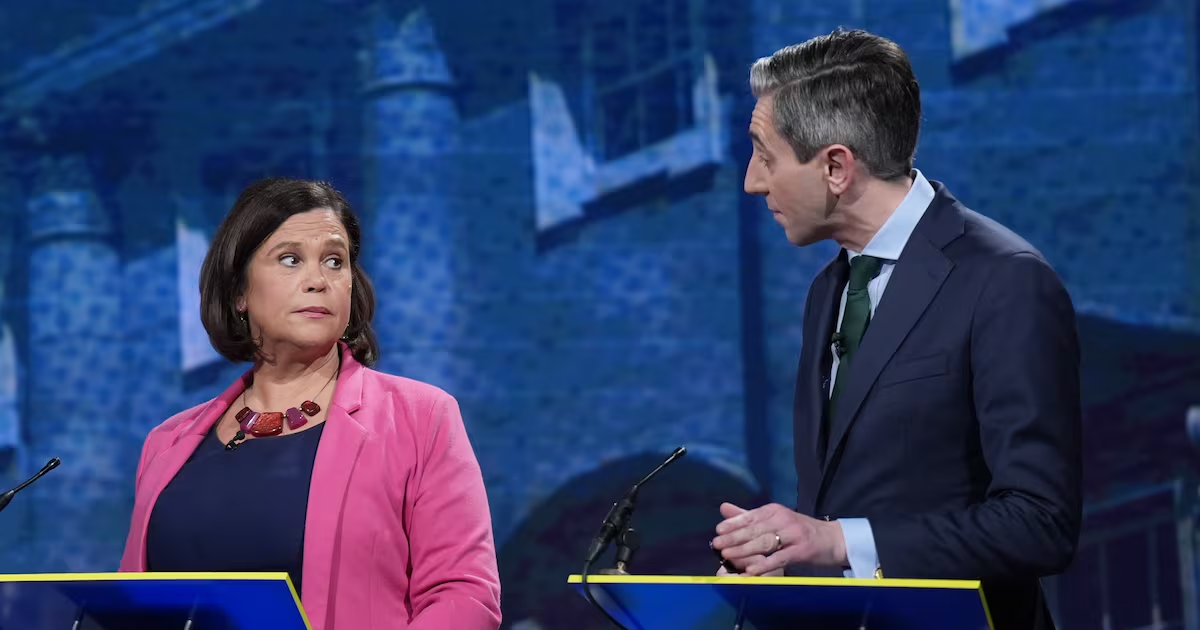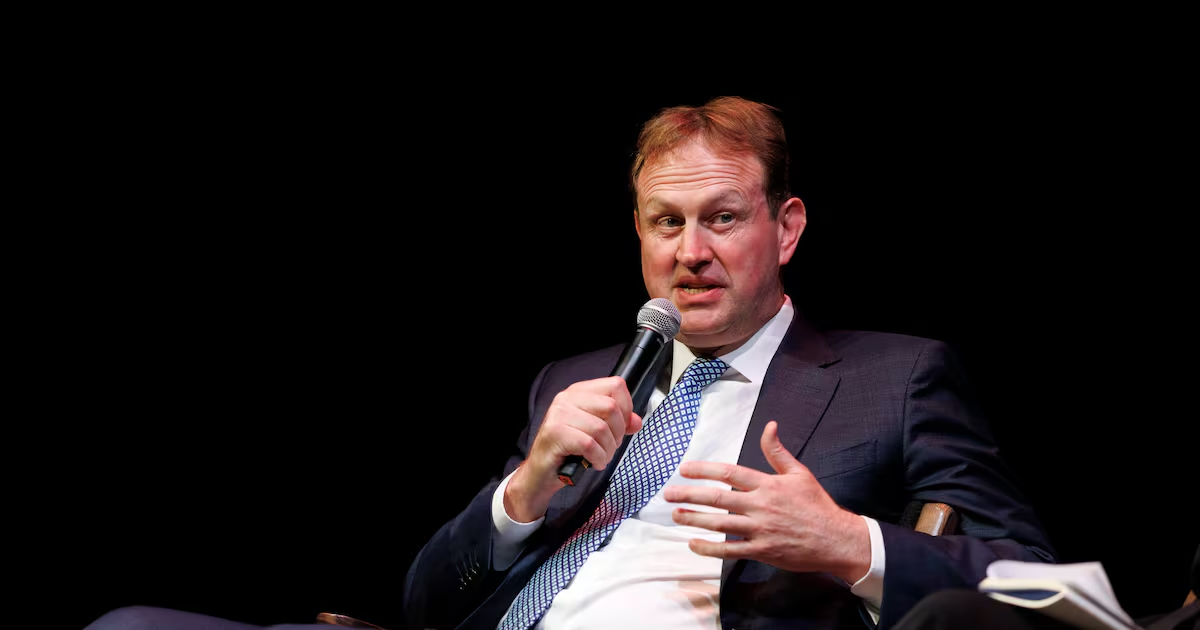
Fine Gael’s upcoming blueprint for Irish unity will not be about “just sloganeering, or settling false deadlines”, Tánaiste Simon Harris has said.The Fine Gael leader took many by surprise on Sunday when he announced the party’s blueprint for a united Ireland, due to be ready by November, would lay out what unity “could mean in practical terms, politically, economically and societally”.When questioned about the matter at Dublin Castle on Monday, Harris emphasised that every party in the Dáil favours Irish unity and it is not a subject owned by Sinn Féin.“There’s one political party who every time anybody says unity, they feel they have to come out and say something about it,” he said, adding that Sinn Féin leader Mary Lou McDonald was not the guardian of a united Ireland.“She’s doesn’t own it, it’s not hers,” he said, insisting that Fine Gael, Fianna Fáil and other parties represented in Dáil Éireann “aspire to live on an island that is unified”.“It wasn’t our purpose yesterday, or not our purpose today or any day, to have a compare and contrast on policies,” he said, standing alongside Fianna Fáil deputy leader and Minister for Public Expenditure Jack Chambers.Harris said Fine Gael’s exercise would seek to “make sure” that the unification debate “isn’t just sloganeering or setting false deadlines, but actually trying to work your way through this methodically”.Questioned about the timing of the move, just days after riots in largely Protestant and loyalist districts of Belfast, Harris said the debate is best done openly and not in a vacuum.“Openness is the best way. Engaging is the best way. And listening respectfully is the best way,” he said, adding that a unified Ireland would have to be “open to everybody, for people of all traditions”.“There are some people who sadly think the orange was added to the flag because without it, it would be the Limerick flag, but the orange is there for a very specific reason.“We have two traditions on this island. [The flag is] white to represent peace in the middle. And we have to have a conversation that’s respectful and inclusive.”The Belfast Agreement provides a mechanism for constitutional change, should that be the consent of the people, he added, “but it’s not about just consent, it’s about durable consent”.Speaking first on the issue, Chambers said the founding objective of Fianna Fáil is, and always has been, to “unify our people and our island”.Taoiseach Michael Martin’s work to build cross-Border relations through the multibillion Shared Island programme “underpins the vision” of former Fianna Fáil leaders, especially Seán Lemass, Chambers said.
Fine Gael’s blueprint for Irish unity will not be about ‘sloganeering’, Tánaiste says
Every party in Dáil favours a united Ireland and subject is not owned by Sinn Féin, says Simon Harris
428 words~2 min read