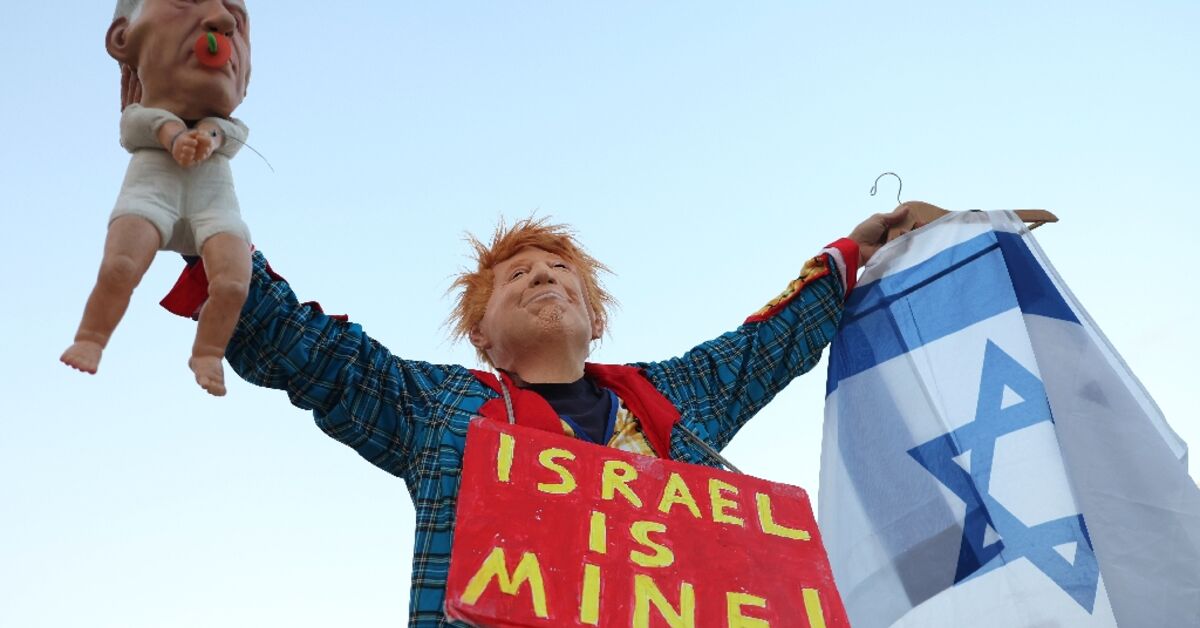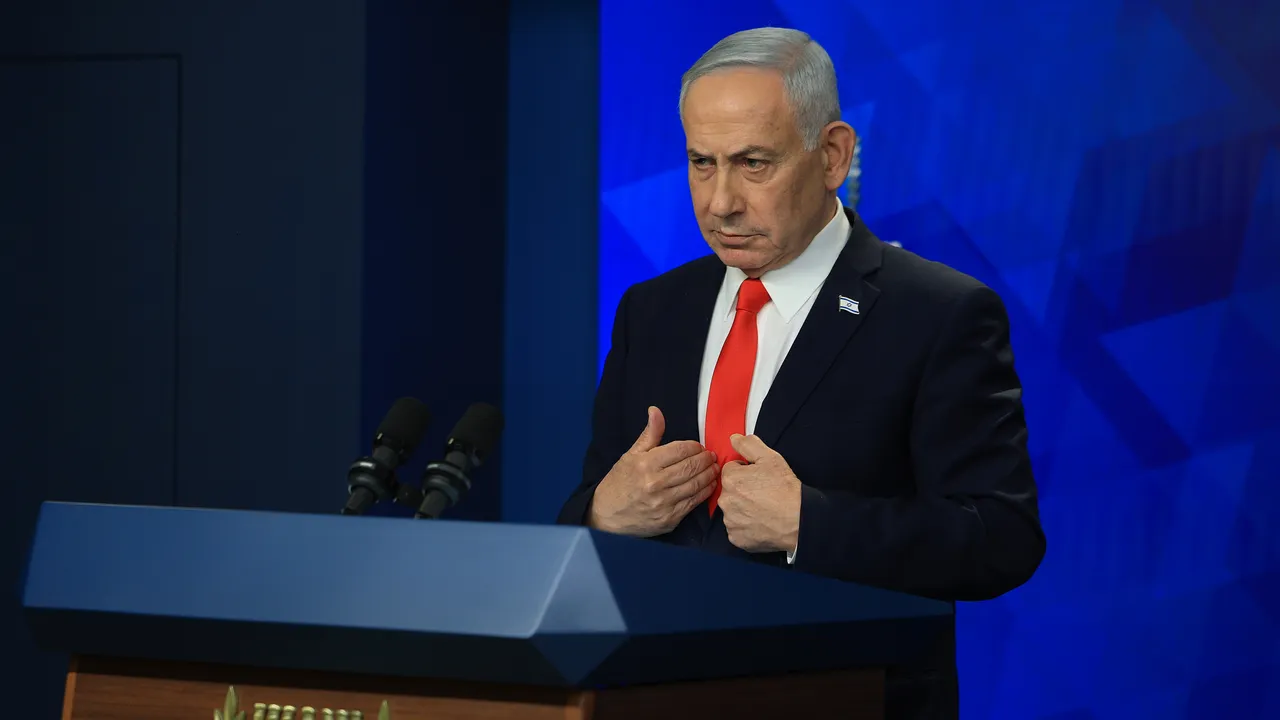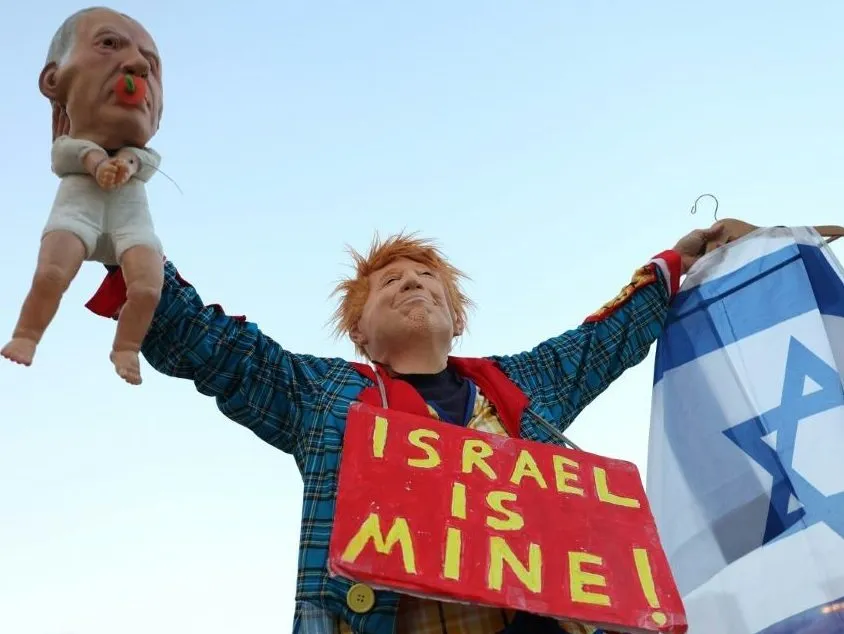
Skip to Content Subscribe Our Offers My Account Manage My Subscriptions FAQ Newsletters Canada Canadian True Crime Canadian Politics Health World Israel & Middle East Financial Post NP Comment Longreads Puzzmo Diversions Comics NP News Quiz New York Times Crossword Horoscopes Life Eating & Drinking Style Sponsored Play for Ontario Travel Travel Canada Travel USA Travel International Cruises Travel Essentials Culture Books Celebrity Movies Music Theatre Television Business Essentials Advice Lives Told Tails Told Shopping Buy Canadian Home Living Outdoor Living Kitchen & Dining Tech Style & Beauty Personal Care Entertainment & Hobbies Gift Guide Travel Guide Amazon Prime Day Deals Savings National Post Store More Sports Hockey Baseball Basketball Football Soccer Golf Tennis Driving Vehicle Research Reviews News Gear Guide Obituaries Place an Obituary Place an In Memoriam Classifieds Place an Ad Celebrations Working Business Ads Archives Healthing Epaper Manage Print Subscription Profile Settings My Subscriptions Saved Articles My Offers Newsletters Customer Service FAQ Newsletters Canada World Financial Post NP Comment Longreads Puzzmo Diversions Life Shopping Epaper Manage Print Subscription HomeNewsWorldIsrael & Middle EastU.S.-Iran deal a 'catastrophe' for Israel, analysts sayWhile analysts are not surprised by Israel’s absence from the negotiations, they are struck by what they see as its eroding influence in WashingtonAuthor of the article:Last updated 17 minutes ago You can save this article by registering for free here. Or sign-in if you have an account.An Israeli left-wing activist in costume with a mask depicting US President Donald Trump holds a baby puppet depicting Israel's Prime Minister Benjamin Netanyahu during a demonstration against the government and the war in the Middle East. Photo by Jack GUEZ /AFP/FileThe U.S.-Iran agreement to conclude the Middle East war is a significant strategic setback for Israel and underscores its waning influence in Washington, Israeli analysts said.Enjoy the latest local, national and international news.Exclusive articles by Conrad Black, Barbara Kay and others. Plus, special edition NP Platformed and First Reading newsletters and virtual events.Unlimited online access to National Post.National Post ePaper, an electronic replica of the print edition to view on any device, share and comment on.Daily puzzles including the New York Times Crossword.Support local journalism.Enjoy the latest local, national and international news.Exclusive articles by Conrad Black, Barbara Kay and others. Plus, special edition NP Platformed and First Reading newsletters and virtual events.Unlimited online access to National Post.National Post ePaper, an electronic replica of the print edition to view on any device, share and comment on.Daily puzzles including the New York Times Crossword.Support local journalism.Create an account or sign in to continue with your reading experience.Access articles from across Canada with one account.Share your thoughts and join the conversation in the comments.Enjoy additional articles per month.Get email updates from your favourite authors.Create an account or sign in to continue with your reading experience.Access articles from across Canada with one accountShare your thoughts and join the conversation in the commentsEnjoy additional articles per monthGet email updates from your favourite authorsSign In or Create an AccountorAlthough the accord, announced by Pakistan early Monday, remains incomplete and is expected to be finalized within 60 days, its preliminary framework has already raised concern in Israel.Analysts argue it effectively locks in Iranian gains while deferring the most sensitive issue for Israel: its security.Columnist Jesse Kline keeps you up to date with what’s happening in Israel and the effects of antisemitism on life here in Canada. Friday mornings.By signing up you consent to receive the above newsletter from Postmedia Network Inc.A welcome email is on its way. If you don't see it, please check your junk folder.The next issue of Channel Israel will soon be in your inbox.We encountered an issue signing you up. Please try againAccording to former intelligence officer Danny Citrinowicz, this means the U.S.-Iran deal amounts to nothing less than a “political and security catastrophe for the State of Israel”.It is also a blow to Prime Minister Benjamin Netanyahu, who once hoped to sail into October elections as the victor in campaigns against Hamas, Hezbollah and Tehran — but instead is under fire for failing to attain Israel’s key war aims.“We knew for quite a long time that it was going to be an agreement that will take into account most of the interests of the Iranians,” said Sima Shine, an analyst with Israel’s Institute for National Security Studies (INSS).“The issues that are important to Israel, such as the nuclear one, are left for some future that we don’t know,” said Shine, also a former Israeli intelligence officer.The U.S. and Israel launched a joint campaign against Iran on February 28, with Netanyahu hoping to topple the Islamic Republic and dismantle its nuclear and ballistic missile programmes, seen by him as “existential threats”.Beyond leaving the nuclear question unresolved, Citrinowicz said the result of the conflict makes it unlikely that any future U.S. president would risk renewed military action against Iran.This, analysts say, effectively allows Tehran to emerge stronger after more than three months of conflict.“At the end of the day, Iran is becoming stronger, and Israel has no ability to influence the U.S. president’s decisions,” Citrinowicz argued.U.S. President Donald Trump excoriated Netanyahu for launching attacks in Lebanon that threatened to derail the final agreement just hours before it was announced.“He’s a very difficult guy,” Trump said of Netanyahu, “and to be honest with you, he should be very thankful to us for doing this. Because if Iran had a nuclear weapon, Israel wouldn’t be around for two hours.”Netanyahu has yet to publicly respond to the deal, but his coalition ally, National Security Minister Itamar Ben Gvir, has already dismissed it, saying Israel is “not bound” by the agreement.“It’s a very, very, very bad development for Israel, and for Netanyahu specifically, who was, you know, Mr. Iran,” said Citrinowicz, referring to Netanyahu’s long history of antagonism with the Islamic Republic.“Mr Iran is stuck with a deal that covers almost none of the issues that are important to Israel,” he said.While analysts are not surprised by Israel’s absence from the negotiations, they said they are struck by what they see as its eroding influence in Washington.“Israel never played a direct role in U.S.-Iran negotiations, but simply weighed on the talks through DC,” said Michael Horowitz, an independent security analyst and expert on U.S.-Israeli relations.“But what’s surprising, and hints at Israel’s fading influence in Washington, is that Trump seems to simply have dashed Israel’s concerns,” he added.“Not only did Trump ignore Israel, he effectively decided for Israel and without consulting or even warning it. We’re seeing who is in charge and who gets the final say here.”Michael Milshtein, an expert on Israeli military affairs, said the agreement leaves Israel in a weaker position than before the war on all fronts.“The only thing that Israel can do is to say, ‘OK, we accept the ceasefire, but let us have a say on the details of the deal, especially the nuclear project’,” Milshtein said.“Netanyahu brought us to a point of very weak leverage,” he added, arguing that Israel has limited influence over both Washington and broader diplomatic processes.“It seems that right now we are forced to accept any agreement with Iran, for example, but I assess very soon also with Lebanon and finally with Gaza,” he said, referring to two other theatres where Israeli forces are operating. Join the Conversation This website uses cookies to personalize your content (including ads), and allows us to analyze our traffic. Read more about cookies here. By continuing to use our site, you agree to our Terms of Use and Privacy Policy.
U.S.-Iran deal a 'catastrophe' for Israel, analysts say
The U.S.-Iran agreement is a significant strategic setback for Israel and underscores its waning influence in Washington, analysts said.
1,247 words~6 min read