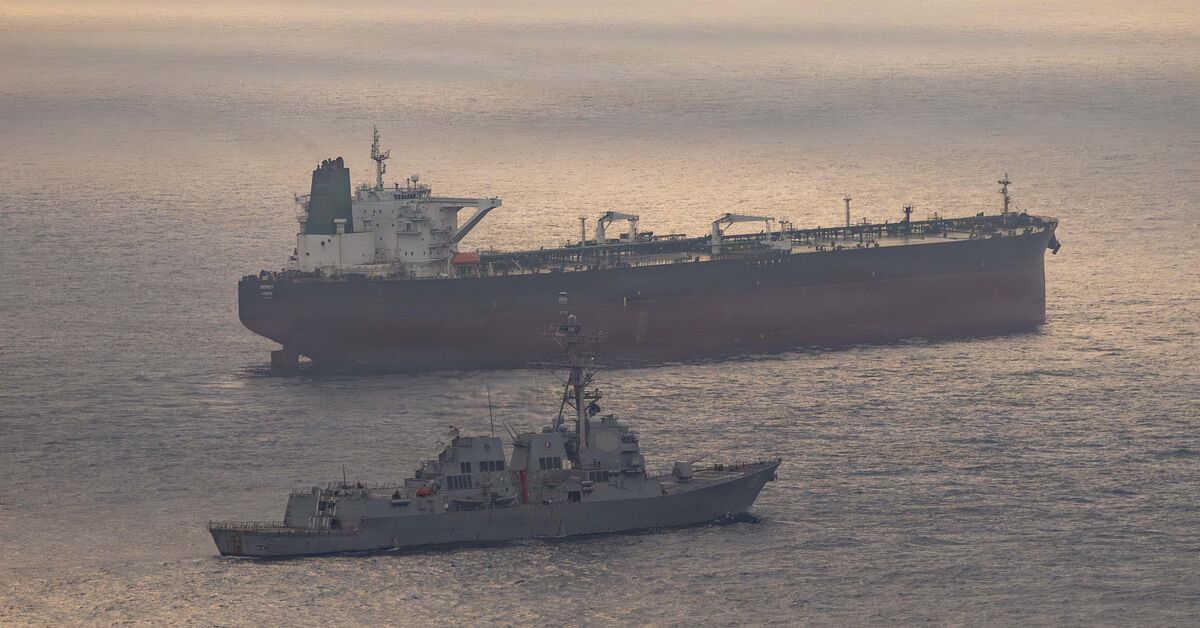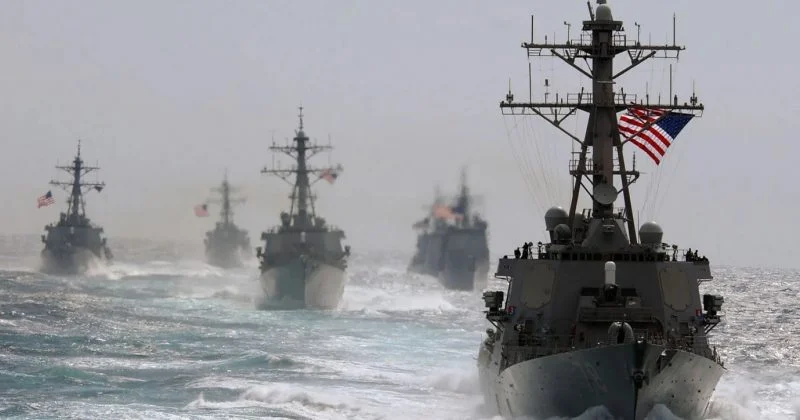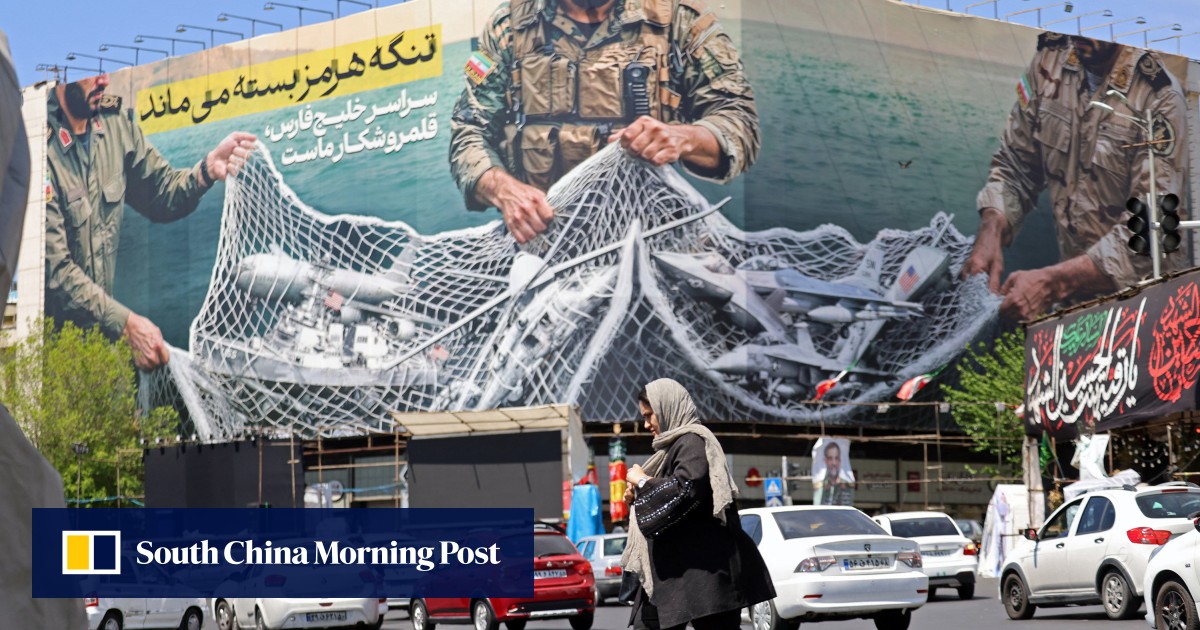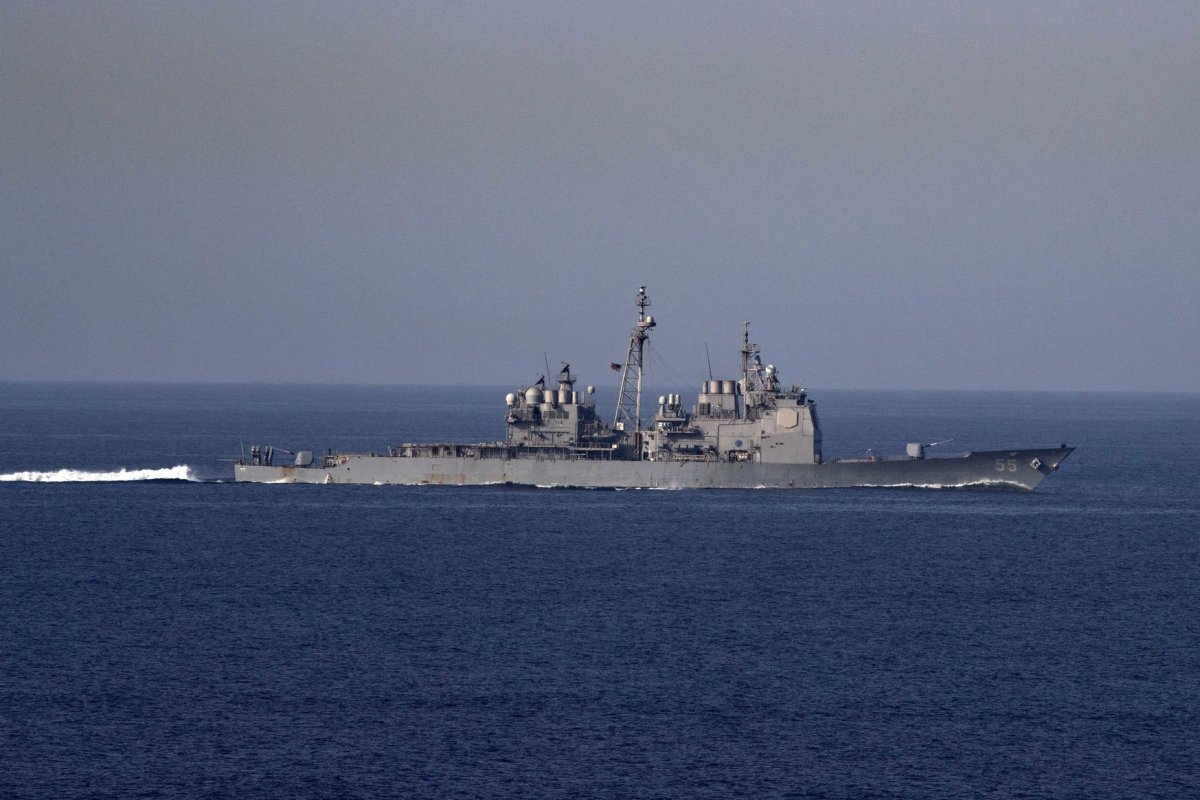
The US naval blockade of Iranian ports remains fully operational as both sides inch toward a June 19 ceasefire agreement that could reopen one of the world’s most critical shipping lanes. Until pen meets paper, the Strait of Hormuz, the narrow waterway through which roughly a fifth of the world’s oil passes, stays under American military control.
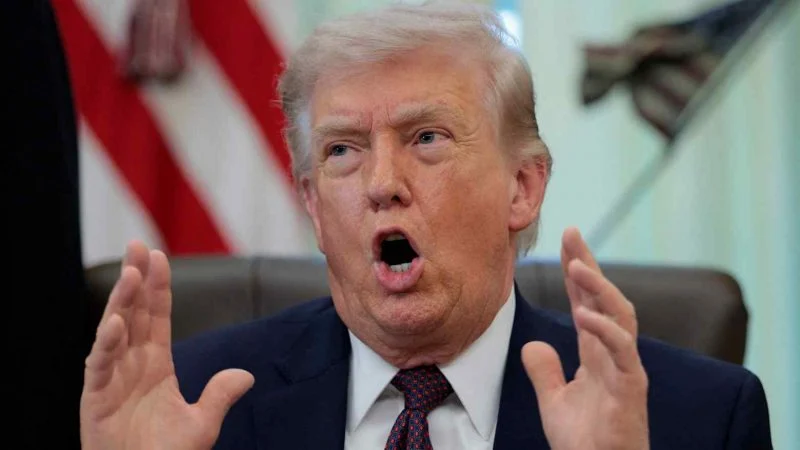
The blockade, which President Donald Trump ordered on April 13, 2026, has now been active for over two months. It represents one of the most aggressive economic pressure campaigns against Tehran in modern history, and its resolution, or lack thereof, carries consequences well beyond the Persian Gulf.
What the blockade looks like on the water
The operation targets all vessels moving in and out of Iranian waters. According to CENTCOM reports, more than 100 commercial ships had been redirected by late May. Vessels that defy enforcement measures have been disabled, though limited humanitarian traffic has been permitted to pass.
The blockade was escalated after the collapse of the Islamabad Talks, which had been the diplomatic community’s best shot at de-escalation. When those negotiations fell apart, the US doubled down on its naval posture, effectively choking Iran’s ability to export oil, its economic lifeline.