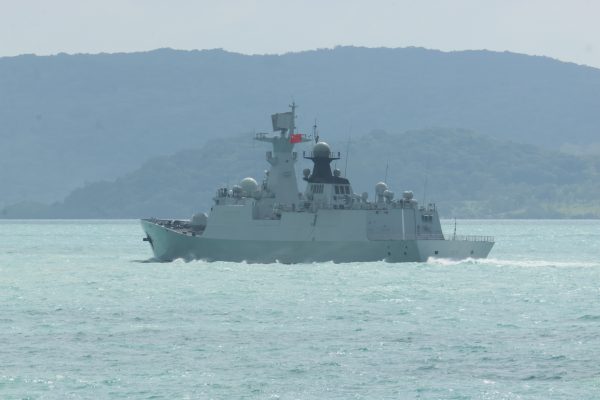
Seventy-six years ago, the People’s Republic of China launched its first flagship, the Nanchang. This was the ship’s third life. First known as the Uji and then the Changzhi, it had been delivered to the Communists by Nationalist mutineers, and the Nationalists themselves acquired the ship as a prize of war from Japan.
In the 21st century, Beijing does not need hand-me-downs for its military.
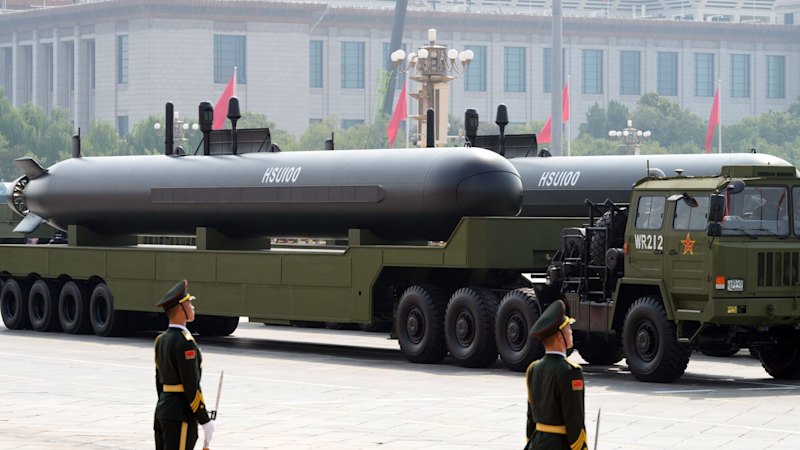
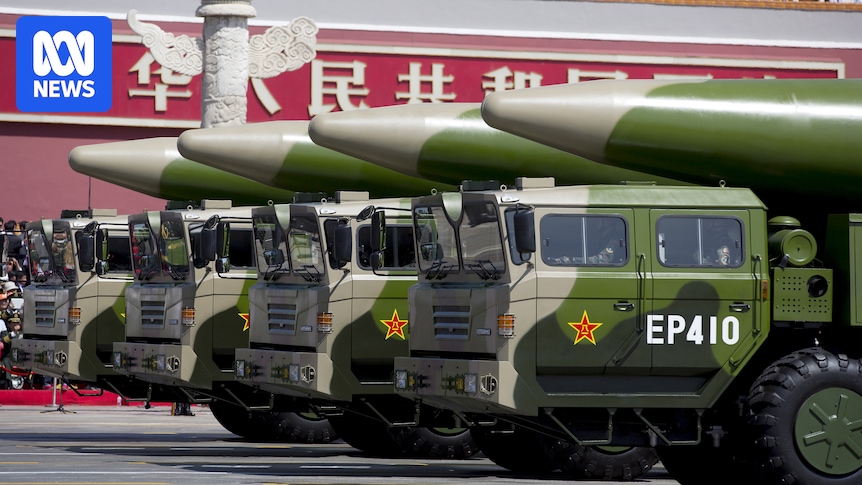
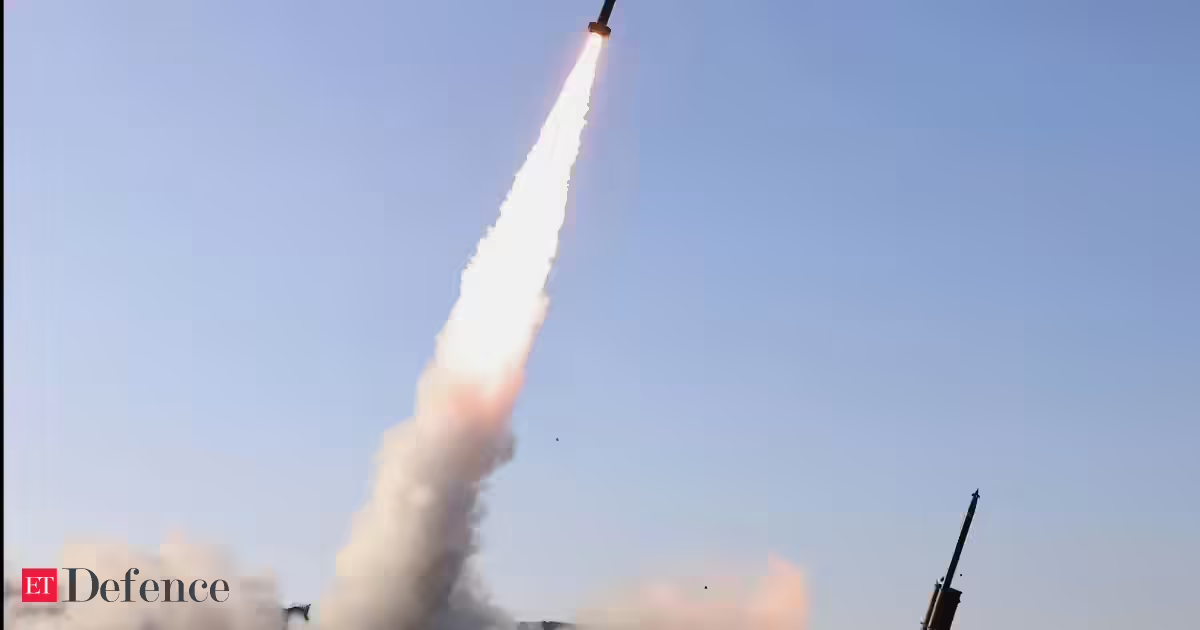
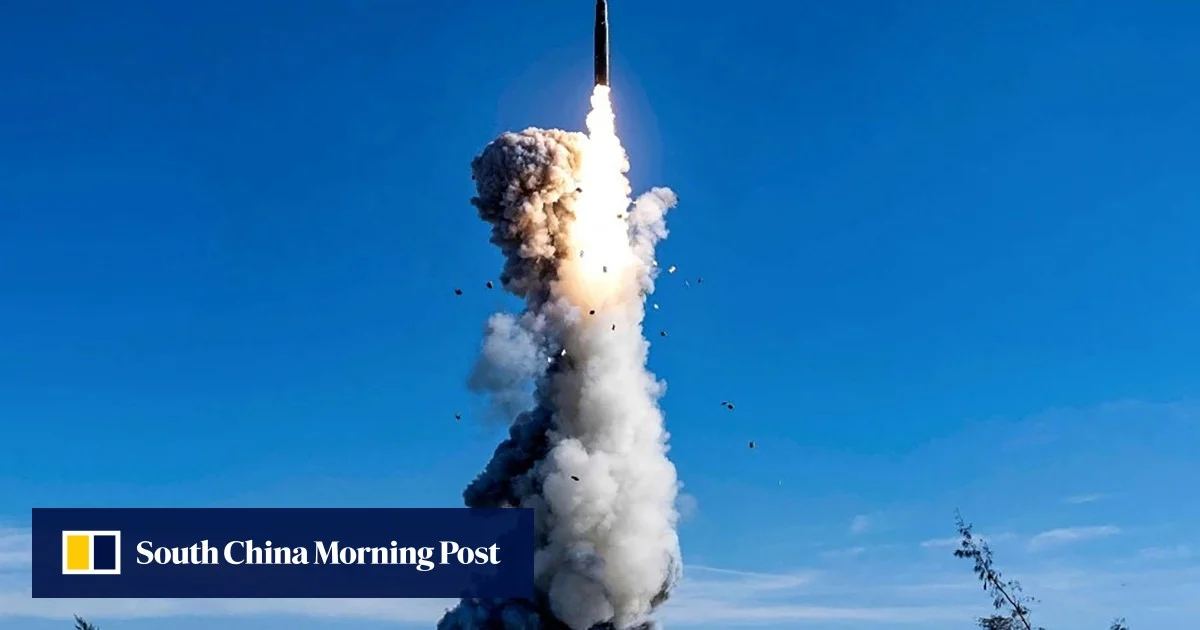
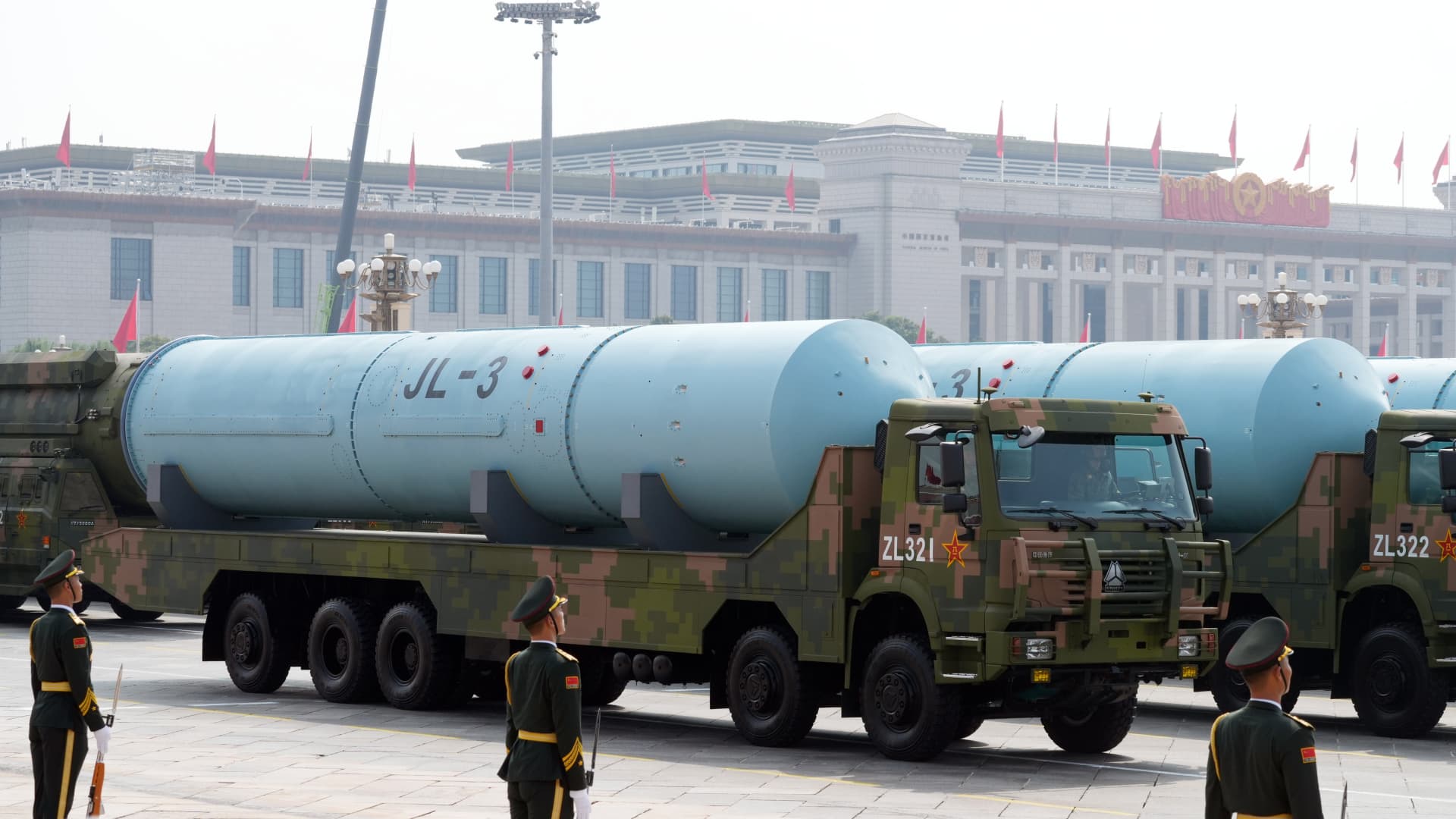
Through an impressive and sustained industrial push, the People’s Liberation Army (PLA) has expanded and modernized, aiming to become a “world class military” by mid-century. Already it boasts the world’s largest navy, expansive cyber capabilities, and a massive array of rockets and missiles.
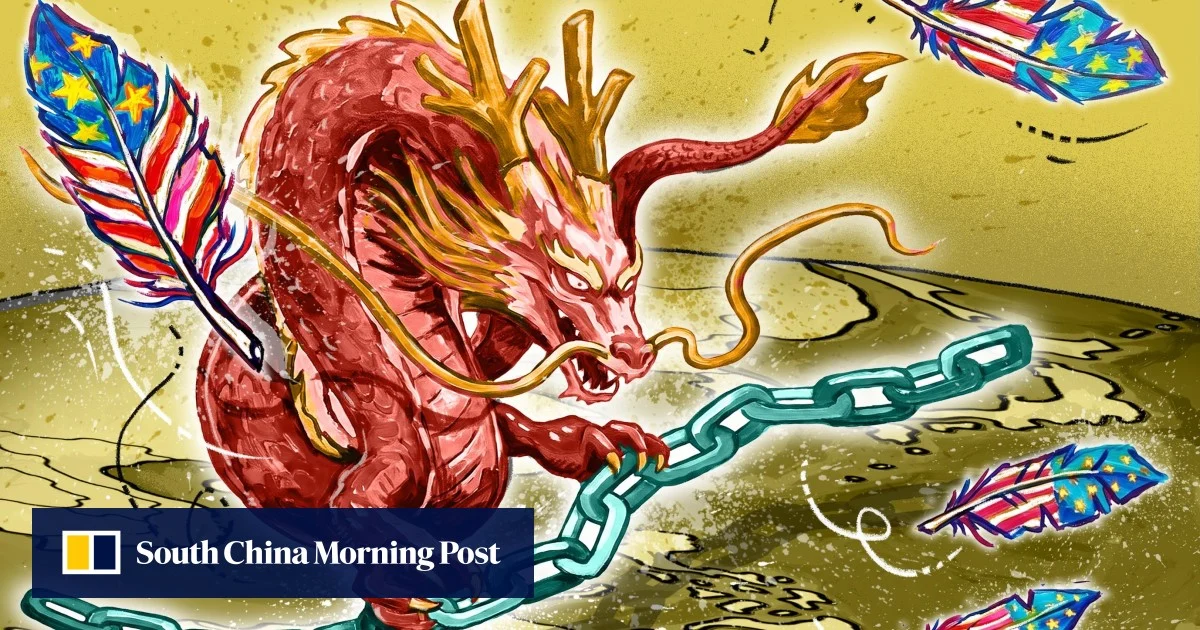
This expansion is not just significant in absolute terms. It is not possible to think about the PLA’s expansion without considering its peer competitor, the United States. While the U.S. military remains the pre-eminent military force as its power relative to the PLA diminishes, the international landscape changes.
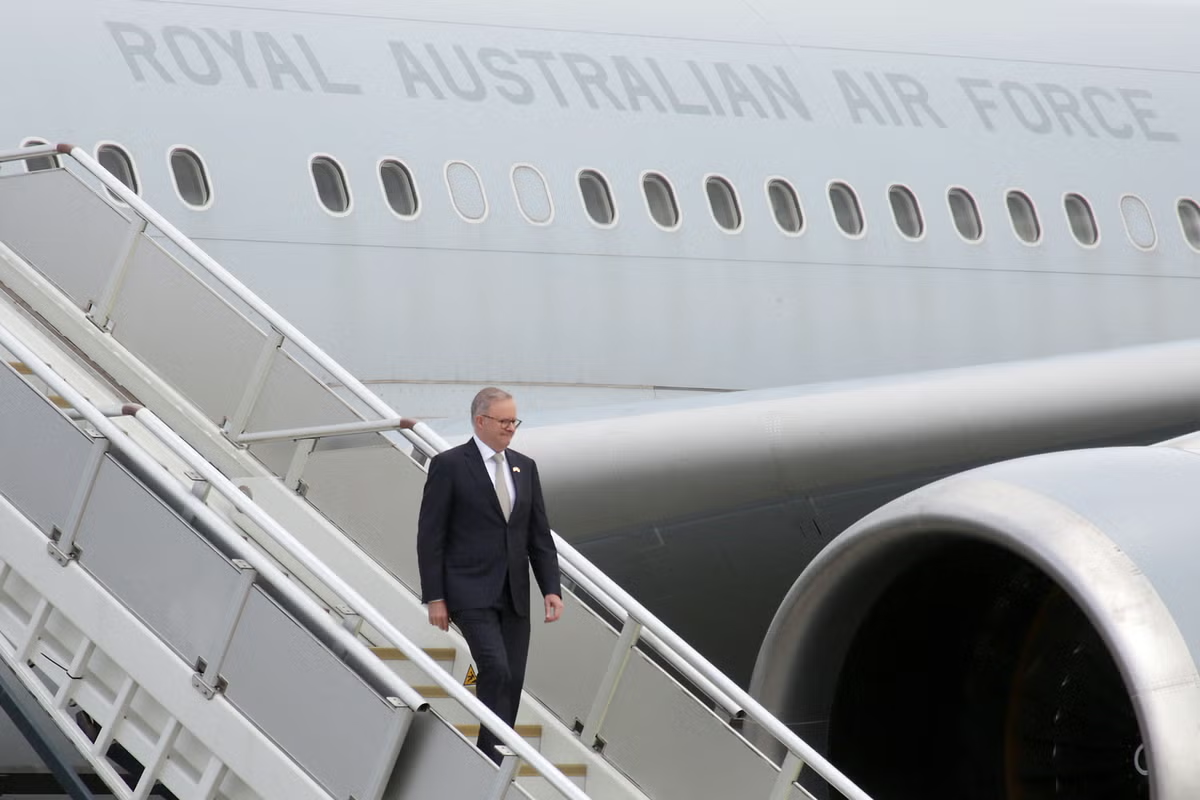
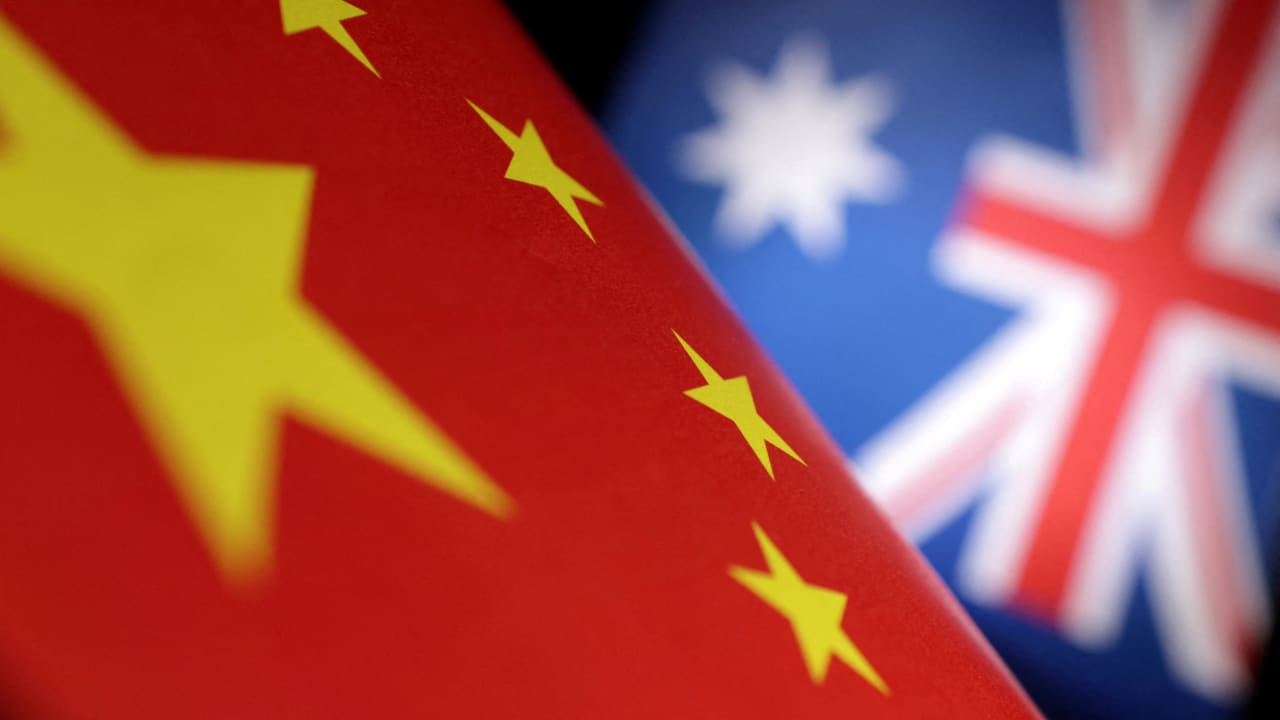
The implications of these changes are of great consequence to Australia.