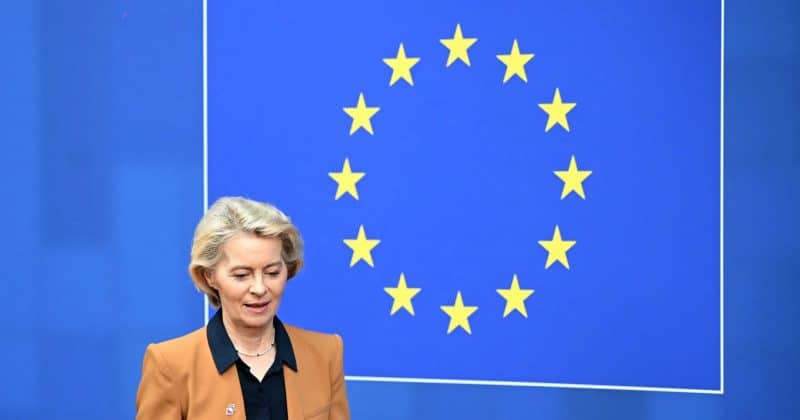
EU foreign ministers met on June 15, 2026, and reached a consensus that Lebanon should be formally included in the emerging US-Iran ceasefire deal. The decision represents one of the most assertive diplomatic moves by the bloc on Middle Eastern security in years, driven by escalating civilian casualties and the threat of a wider regional conflict spilling into energy markets that Europe depends on.
The ceasefire framework, which has been brokered with mediation support from Pakistan, is expected to last around 60 days. Its goals extend well beyond simply pausing hostilities between Washington and Tehran. The deal also aims to reopen the Strait of Hormuz, stabilize global energy markets, and create a window for future nuclear negotiations.
Why Europe is pushing for Lebanon’s seat at the table
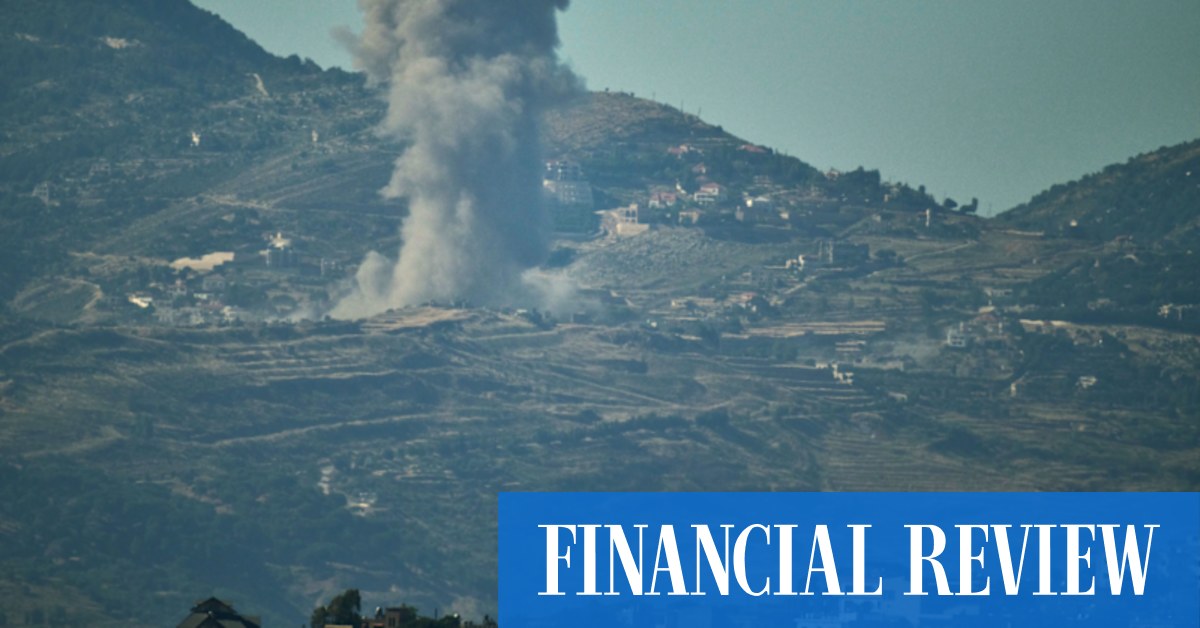
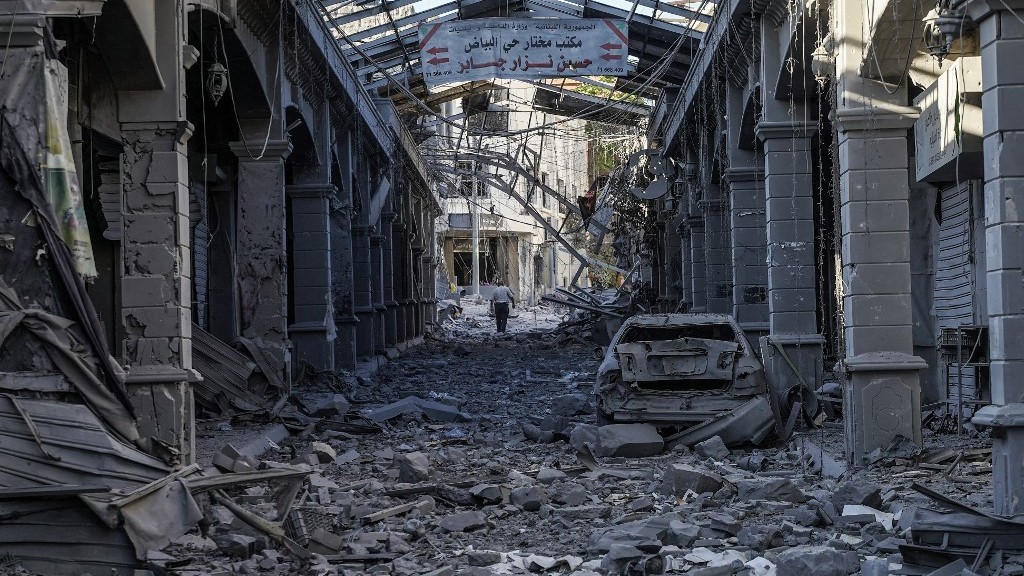
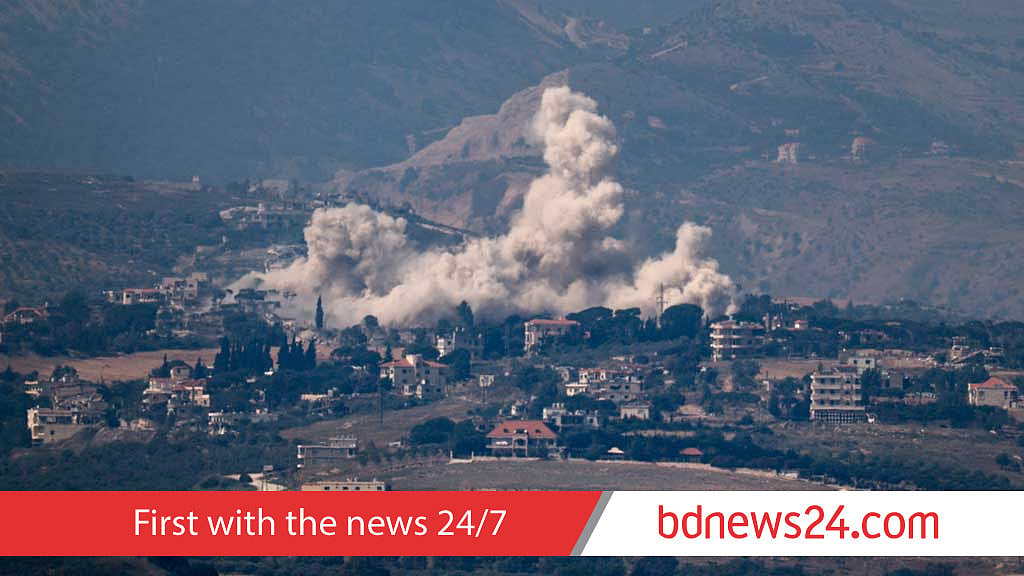
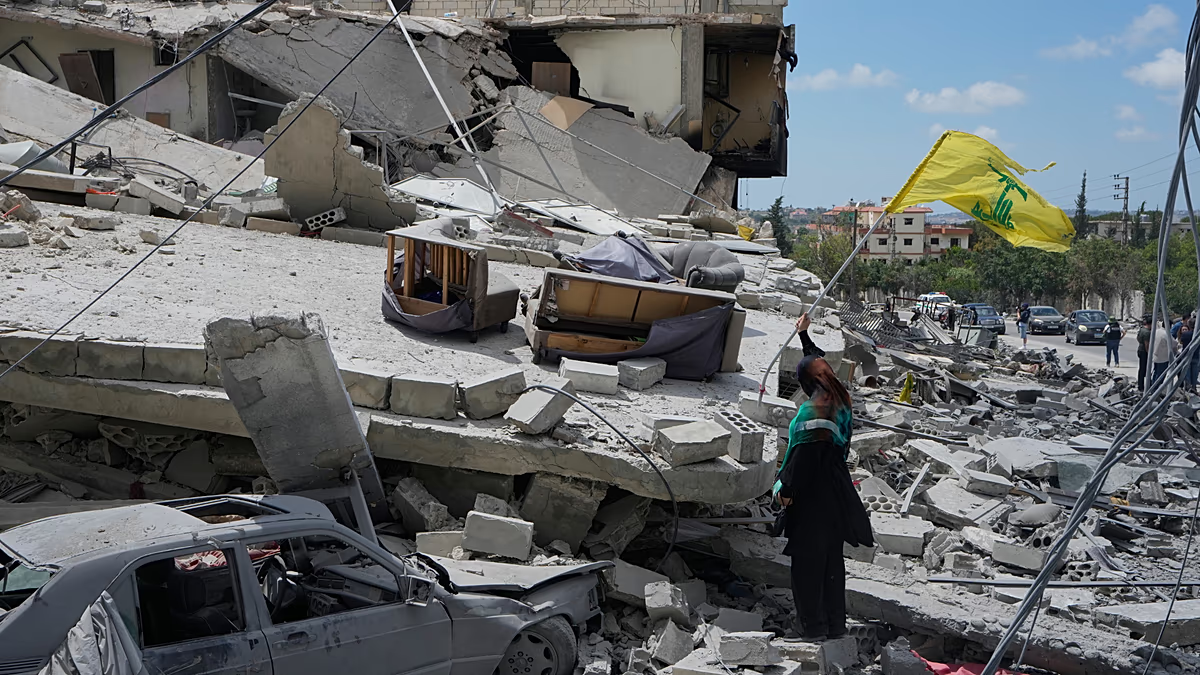
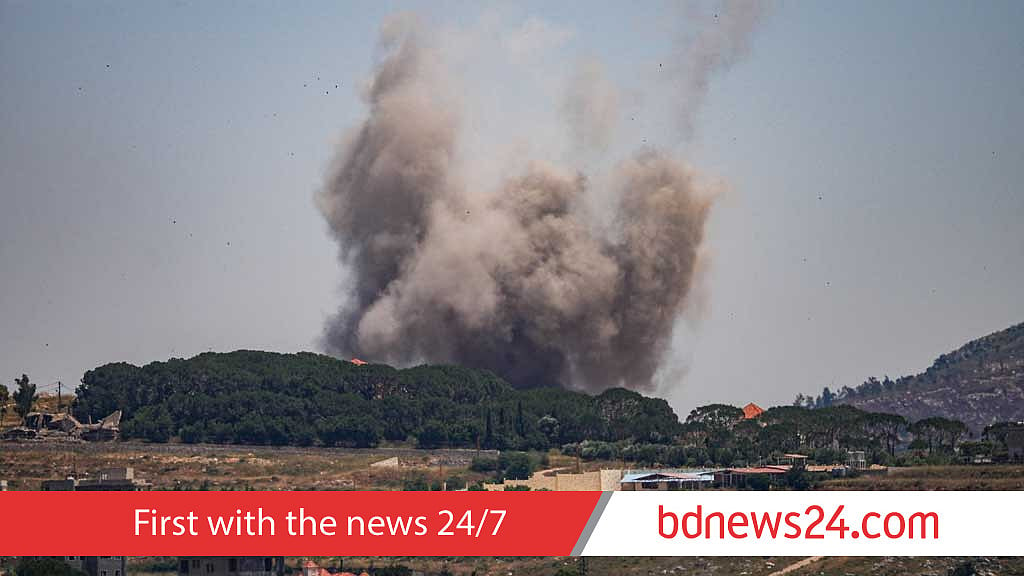
The proximate cause is grim. Over 300 people were reported killed in Lebanon during Israeli airstrikes in April 2026. Those strikes, which targeted Hezbollah positions but devastated civilian areas, triggered a wave of diplomatic urgency across European capitals.
EU foreign policy chief Kaja Kallas convened the June 15 meeting with the explicit goal of folding Lebanon into the broader ceasefire architecture.