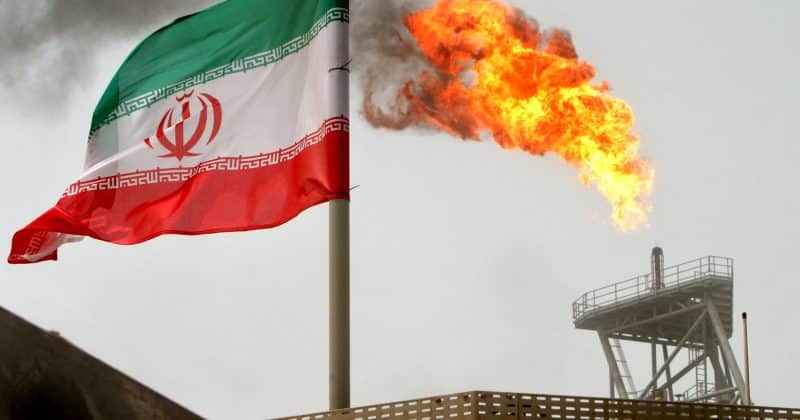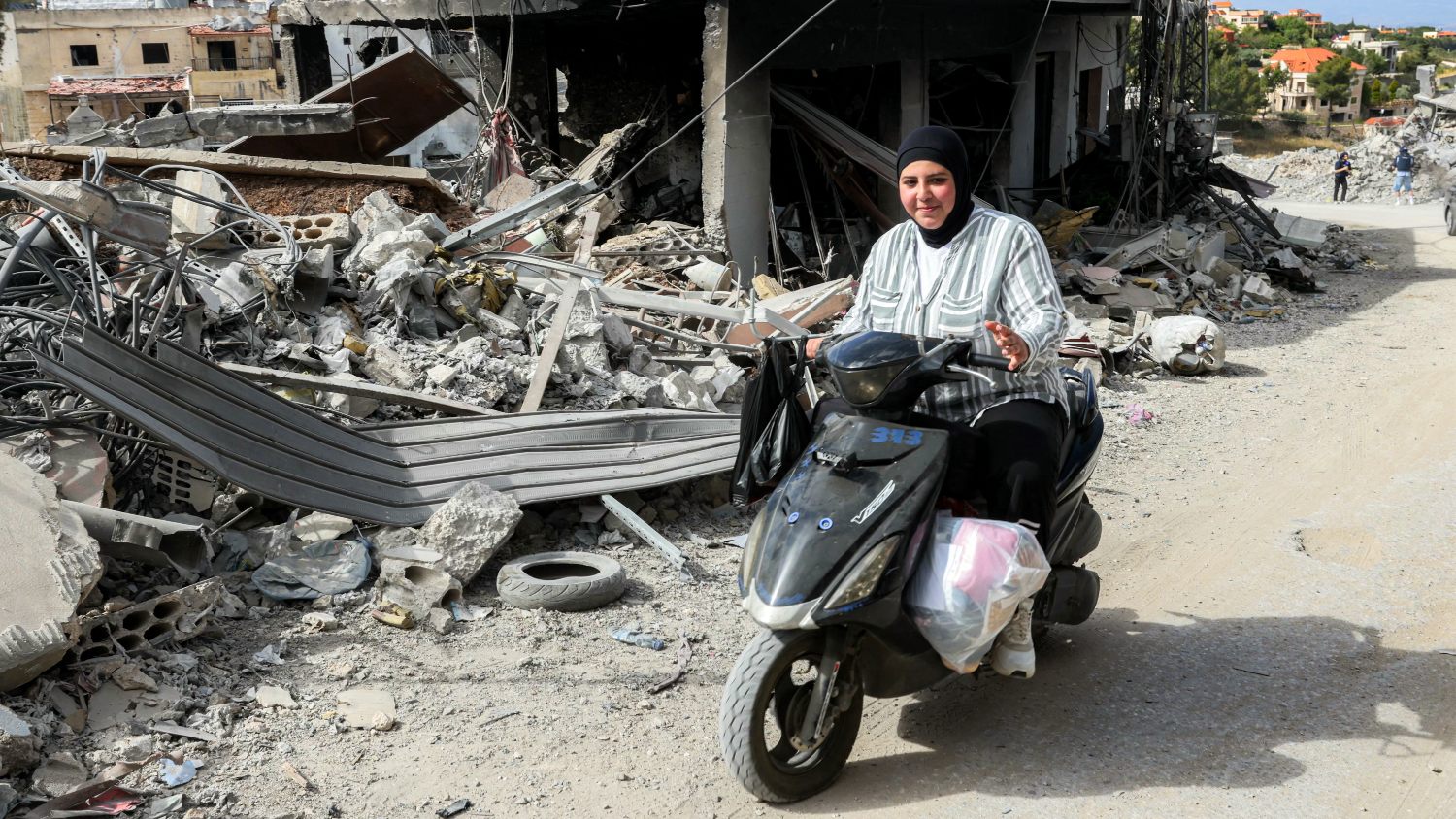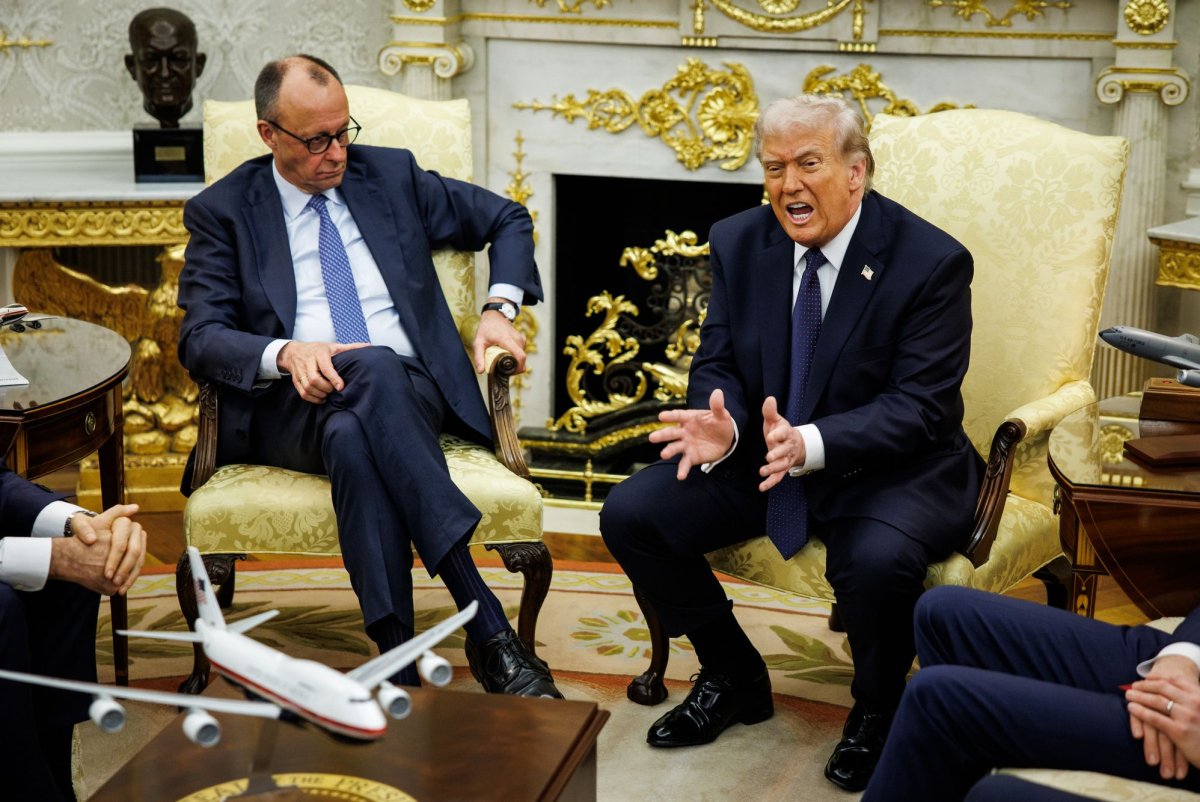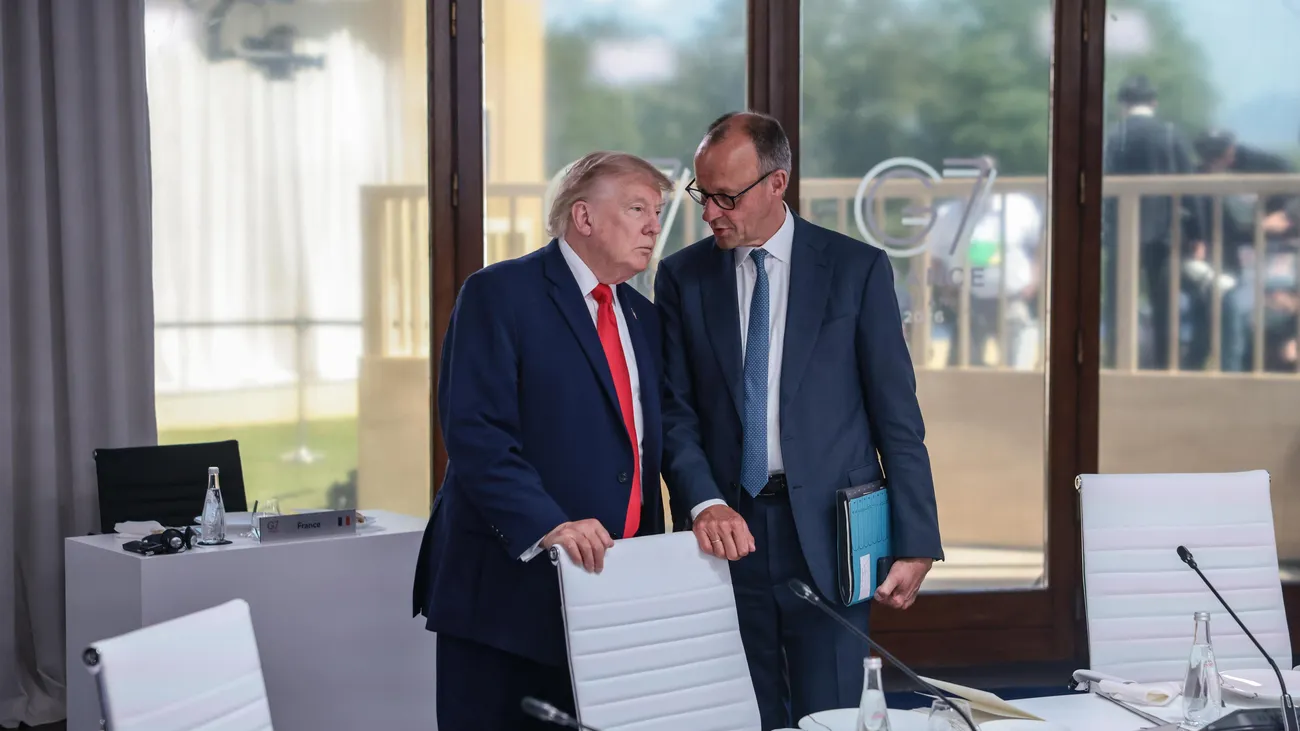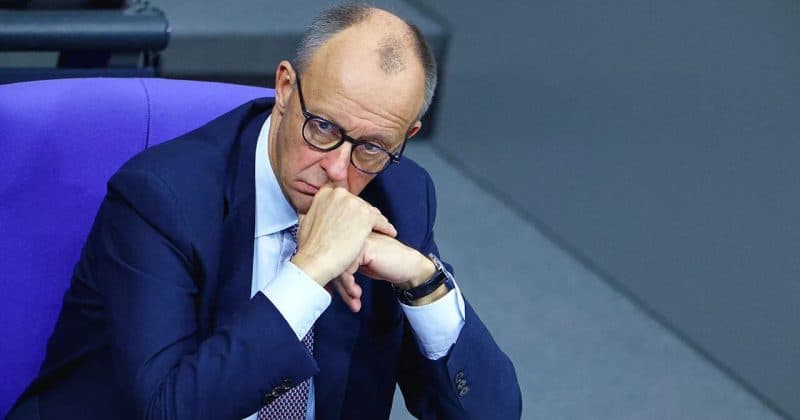
German Chancellor Friedrich Merz weighed in on the newly announced US-Iran agreement, saying the deal could stabilize the global economy, provided it also holds in Lebanon.
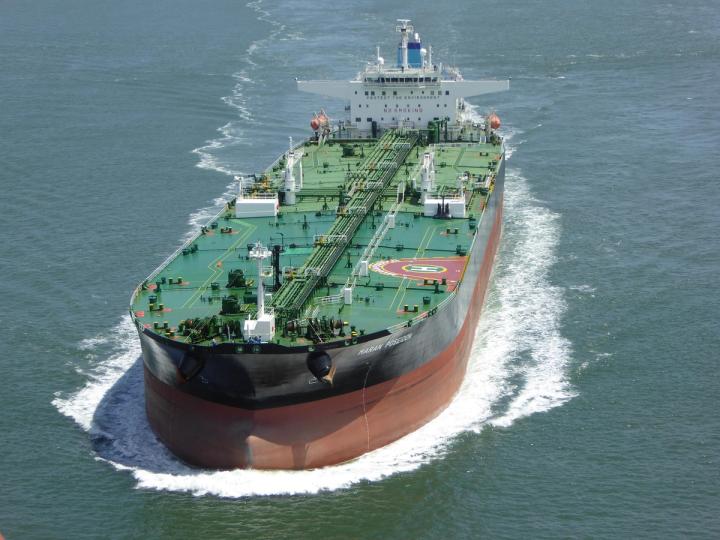
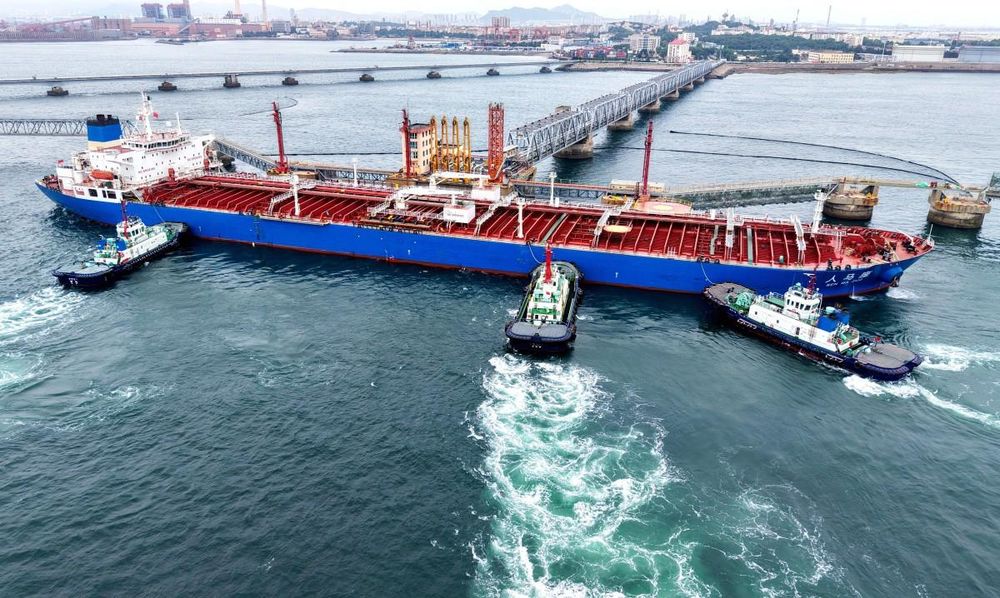
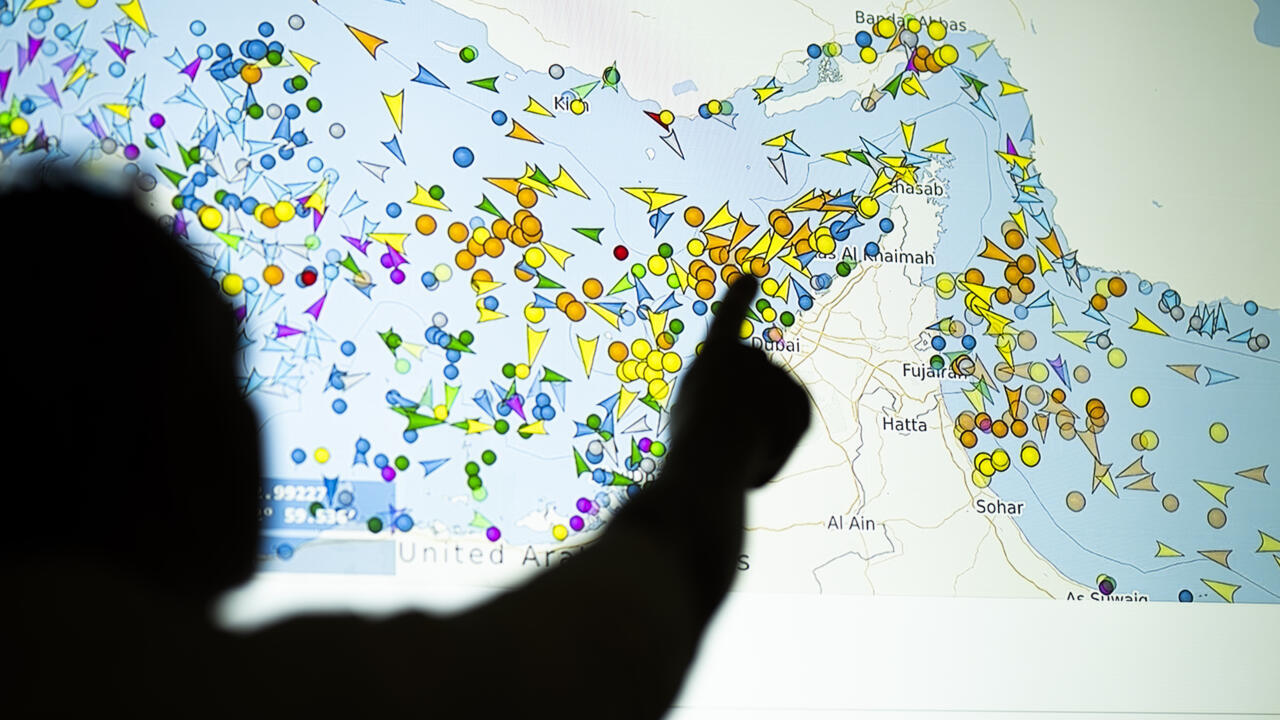
The agreement, announced between June 14 and 15, includes a ceasefire, the reopening of the Strait of Hormuz, and the lifting of a US naval blockade that had choked global energy flows for months. The Strait of Hormuz is the narrow waterway through which roughly a fifth of the world’s oil supply passes daily.
What the deal actually changes
The conflict between the US and Iran has been running for roughly three to four months, kicking off in late February 2026. During that stretch, military actions disrupted global energy supplies, sent oil prices soaring, and battered European economies.
Oil prices had spiked to around $120 per barrel in early March. Following the announcement of the deal, they fell to approximately $80 per barrel. That’s a 33% decline.