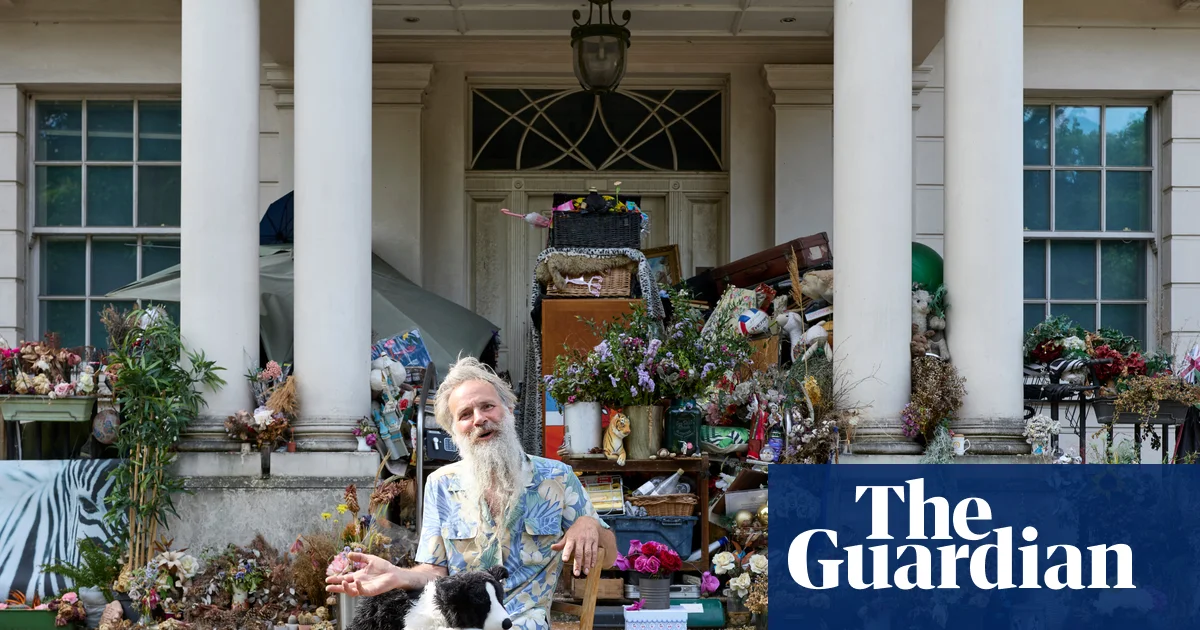
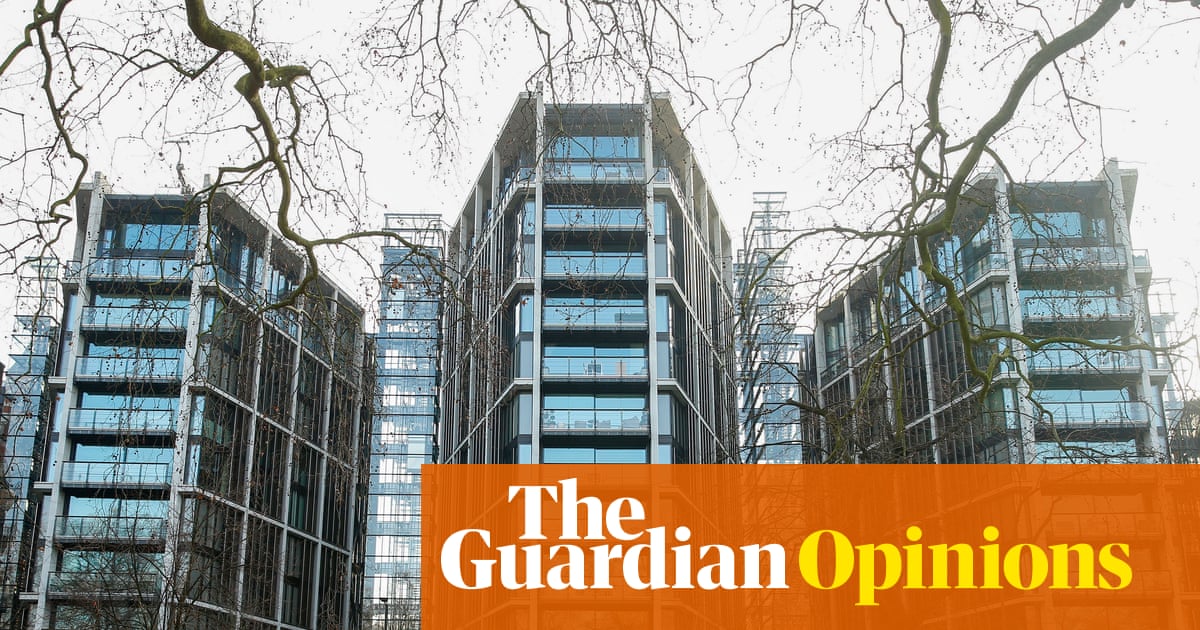
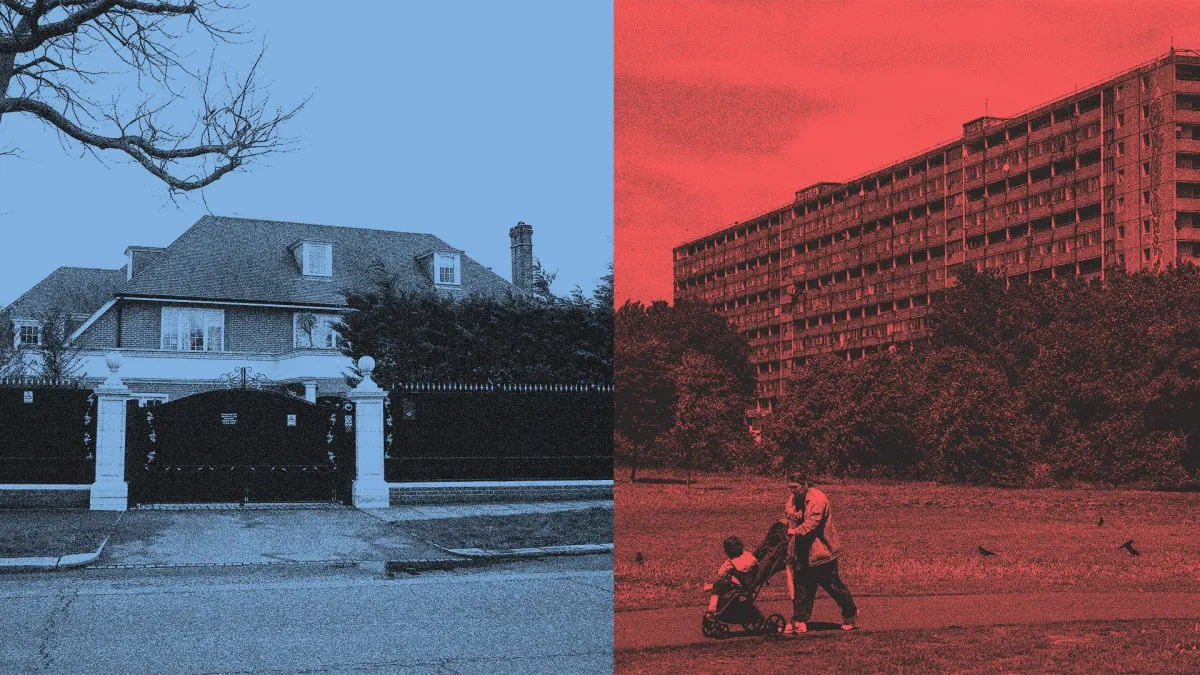
The house at 2–8A Rutland Gate in Westminster last sold for a staggering £210m. Yet the only person who lives there resides on its porch, in a tent made mostly from umbrellas. For three years, Anders Fernstedt has lived in this makeshift home, while the house’s owners are mired in a financial controversy that means they cannot sell. It’s a stark and unsettling representation of inequality in England: a homeless man camped outside a 45-room mansion that stands empty behind him.
Even if the personnel have changed, the story sounds familiar – urban palaces bought often seemingly using dubiously obtained fortunes. “The sense that criminal money, tax evading money, money from politically exposed persons is wrapped up in the story of the city’s effort to provide a wonderful kind of party central for the world’s rich is an important one,” says Rowland Atkinson, a professor of urban studies at the University of Sheffield, and the author of the book Alpha City: How London Was Captured By the Super-rich.
In the Duke of Rutland’s day and then in the Victorian era, the reason the super-rich came to London was because the city was “a place of court as well as commerce”, says Atkinson. “That brought aristocrats looking to buy homes that were walkable to other people like themselves and walkable to the key centres of power. That kind of geography has subtly changed over time. With internationalisation, some of that’s about a dinner-party circuit, rather than being close to the king or queen.”