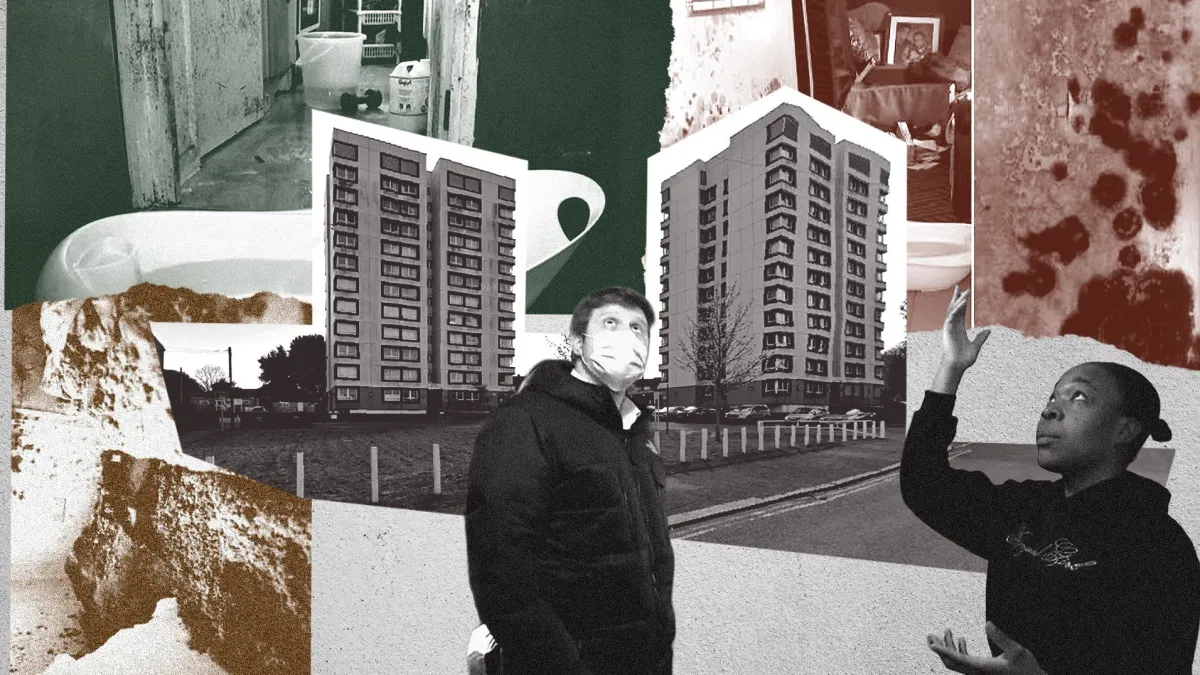
When I first met Chris*, he was living with his mum, Tola*, in temporary accommodation without a working toilet or shower. At night the family had no choice but to urinate in bottles; in the mornings, Chris washed at school. The conditions crept into his attendance, his concentration, his sense of what kind of life he was allowed to expect.
Then his family was moved into a permanent home, and almost everything changed. His attendance improved. He found space to focus on his education and his football, and went on to sign for Brighton Academy. For many children, a permanent address can quietly redraw the whole shape of a life.
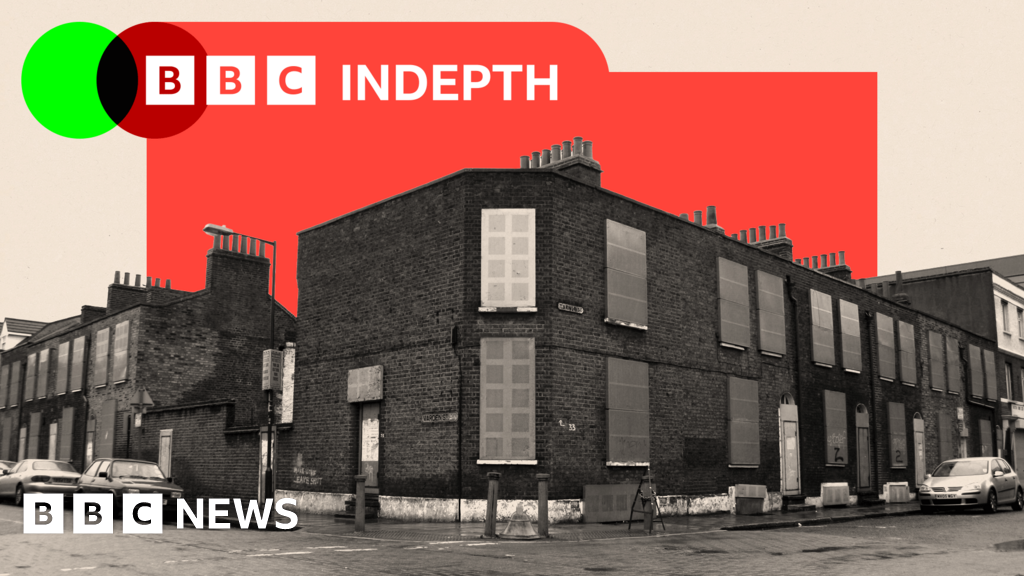
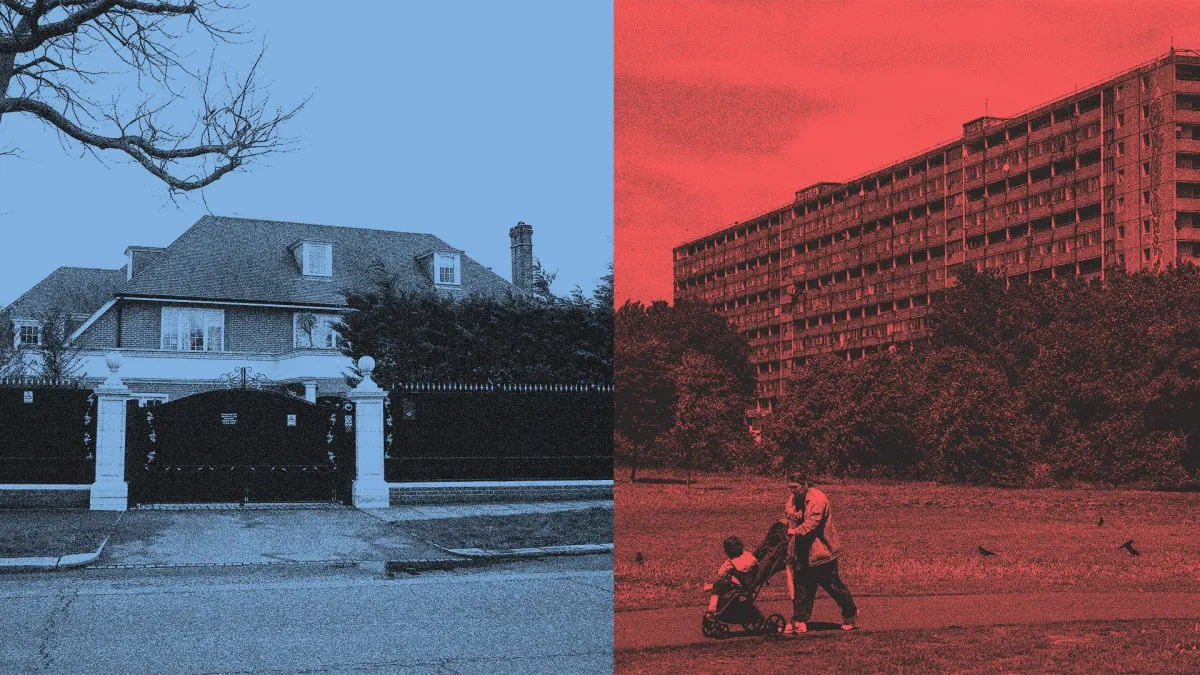
Tonight, an estimated 102,000 children across London are still waiting for that fresh start – doing homework on hotel beds, eating dinner from microwaves, wondering if they’ll ever have a bedroom of their own. Amid this crisis, an estimated one million homes across England sit empty, out of reach of those who need them most.
Shorts
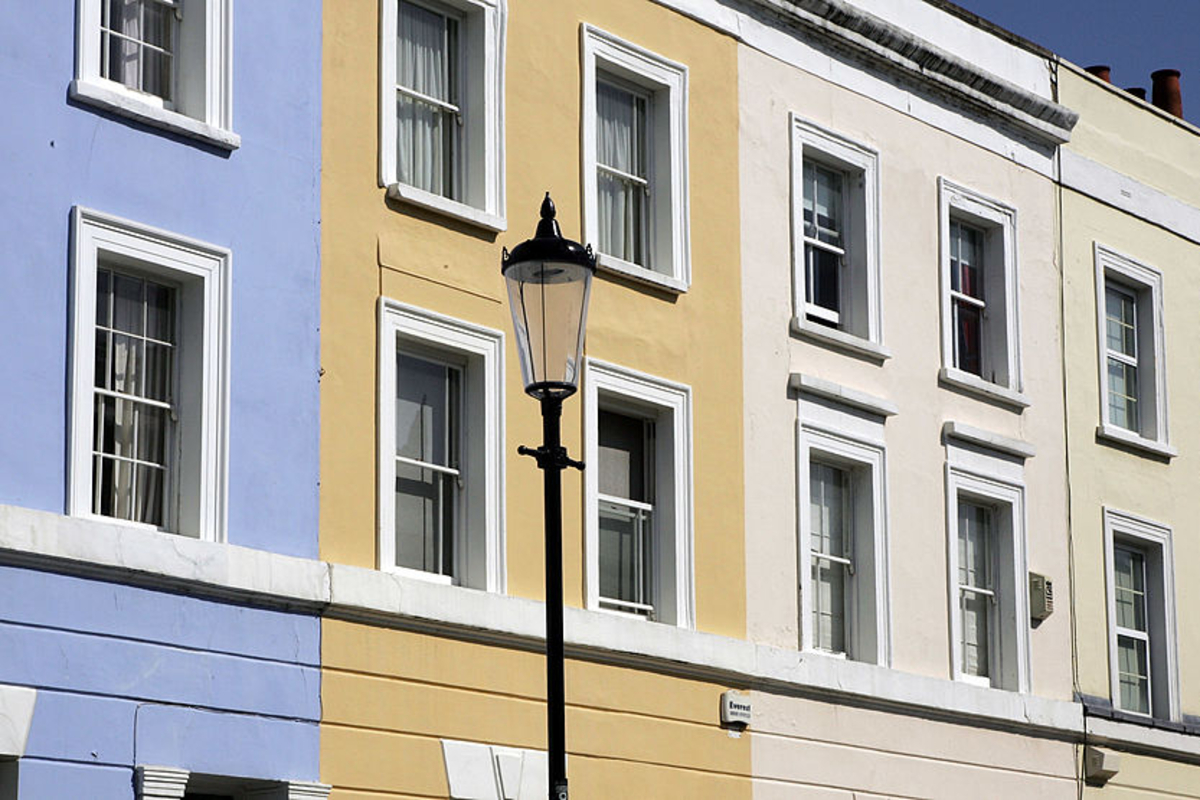
At first glance, a leafy street of multi-million pound mansions and a council estate where some families wait years for somewhere to live have nothing in common. But look hard enough at both, and you see the same problem: rows of properties with nobody living in them.