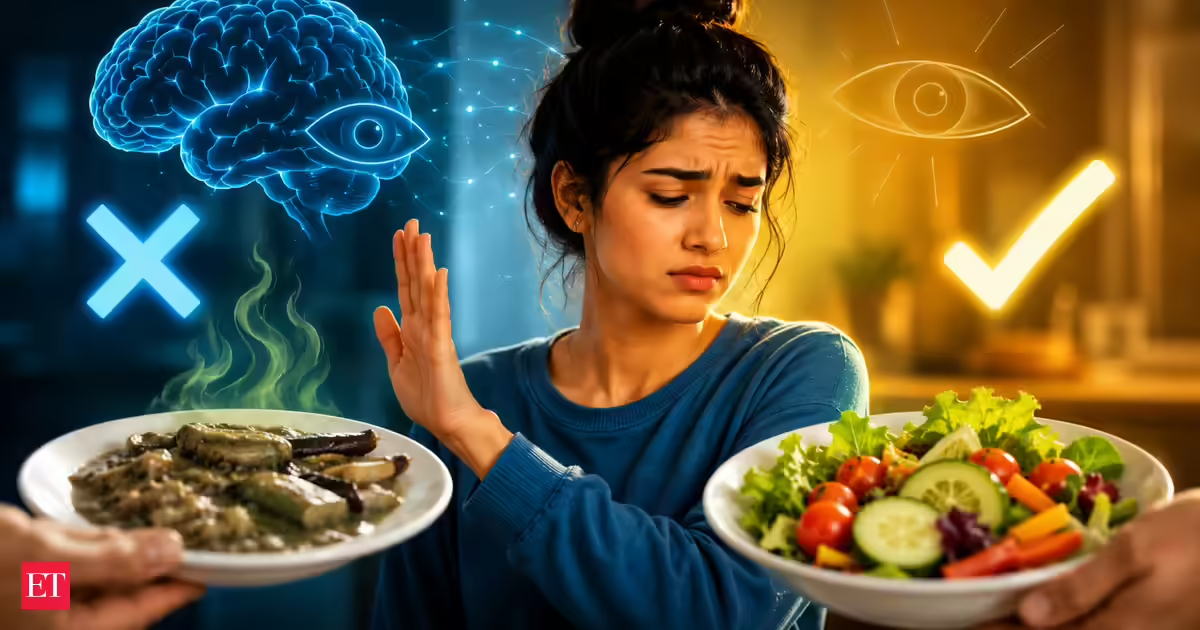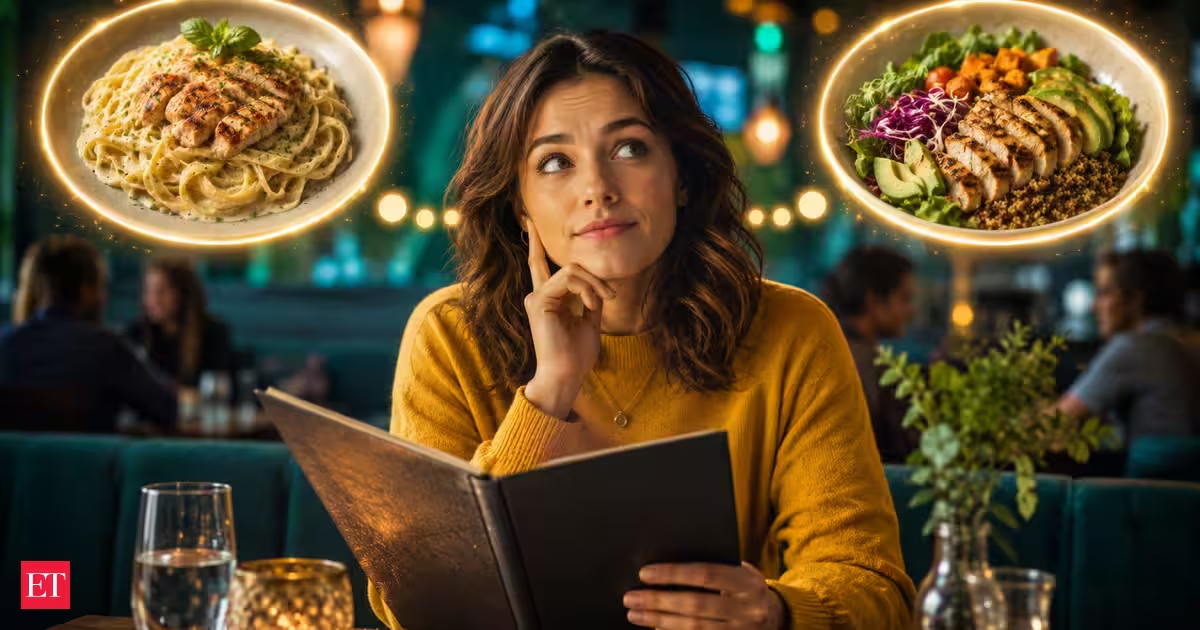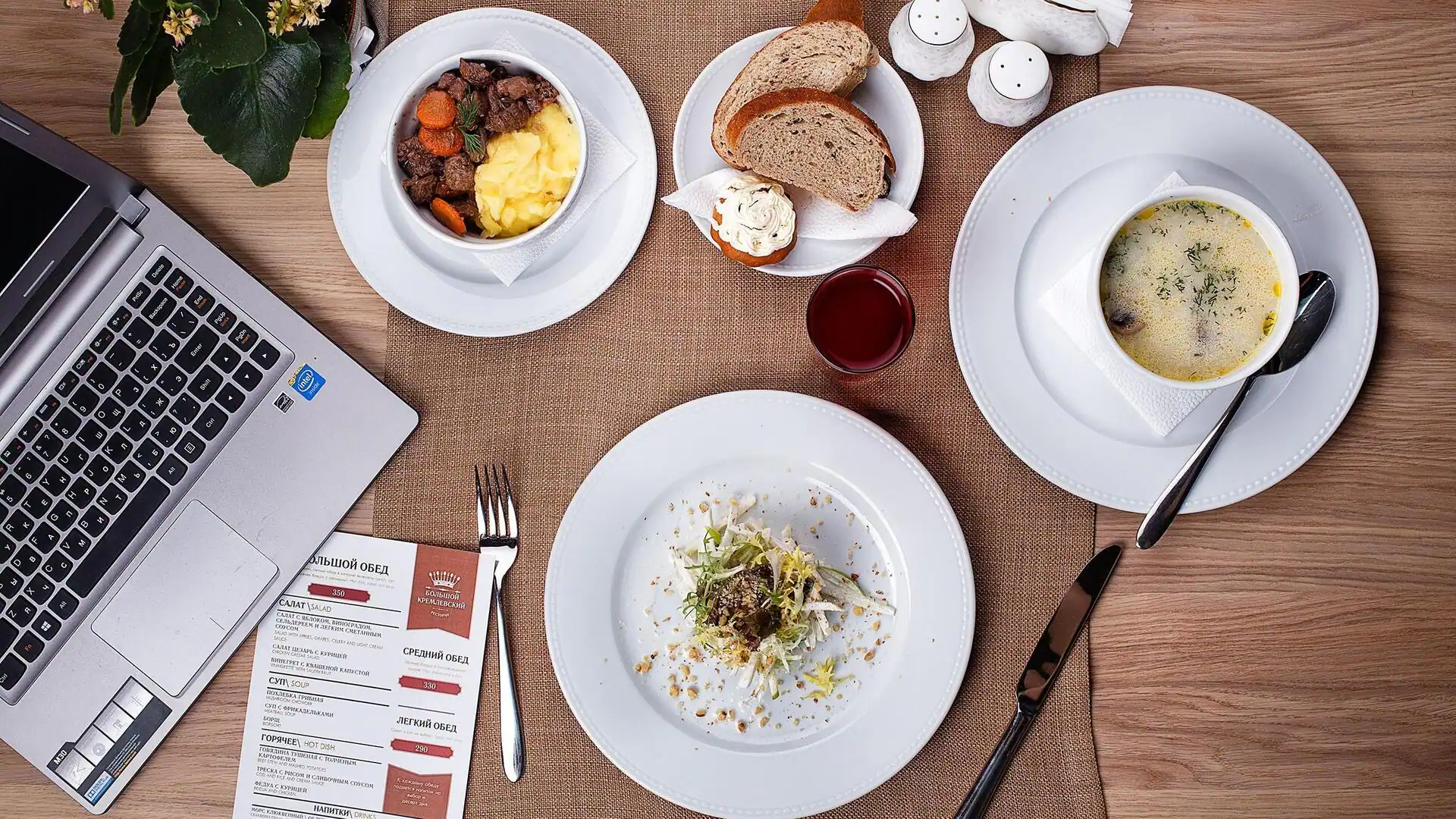
Psychology says adults who look up restaurant menus before meeting friends aren’t fussy; they’re lowering cognitive load before connection begins, because too many small unknowns can drain social energySynopsisChecking restaurant menus beforehand is not fussiness but a smart way to manage mental energy. Social gatherings demand attention for conversation and cues. By deciding on food early, people free up brainpower for enjoyable interactions. This preparation reduces uncertainty and allows for better focus on people, making social events smoother and more rewarding. It's about arriving ready to connect.Looking at a menu beforehand effectively removes one of those demands before the social interaction even begins | PexelsMany adults have a habit of checking a restaurant’s menu before they arrive, and that behavior is often dismissed as fussiness, overplanning, or an unnecessary need for control, but psychology offers a much simpler explanation. Social gatherings require people to divide their attention across multiple demands at once, including conversation, social cues, decision-making, and self-presentation.Research on cognitive load suggests that even small decisions consume mental resources when they occur alongside other tasks. Looking up a menu beforehand may therefore have less to do with food and more to do with preserving attention for the social experience itself. By settling one decision early, people reduce uncertainty and free up mental energy that can be used elsewhere.Looking at a menu beforehand effectively removes one of those demands before the social interaction even begins | PexelsSmall decisions become larger when attention is dividedChoosing a meal is rarely difficult when it is the only thing someone needs to think about. The challenge is that restaurant decisions usually happen while people are greeting friends, catching up on recent events, following conversations, and responding to social cues all at the same time.Research published in the Journal of Experimental Psychology has shown that working memory is limited and that performance often declines when multiple cognitive demands compete for attention. Looking at a menu beforehand effectively removes one of those demands before the social interaction even begins. The person arrives with fewer unresolved choices, which allows more attention to be directed toward the people around them rather than toward scanning pages of options under time pressure.Uncertainty quietly consumes mental energySocial psychologists have found that uncertainty is not simply unpleasant: it is cognitively expensive. A review published in Nature Reviews Psychology notes that people regularly seek information that reduces ambiguity because uncertainty requires ongoing mental effort to manage.Restaurant menus can become surprisingly significant sources of uncertainty, especially when someone is unfamiliar with the venue, has dietary restrictions, or simply dislikes making rushed decisions. Previewing the menu removes one unknown before the evening starts, and while the reduction may seem small, it contributes to a broader feeling of preparedness that can make the entire outing feel easier to enter. The person is not necessarily trying to control every aspect of the experience. They are often just trying to remove one avoidable source of mental clutter.Lower cognitive load can improve social attentionResearch examining cognitive load and social perception has found that people become less attentive to social cues when their mental resources are occupied. When attention is stretched thin, individuals may miss facial expressions, subtle emotional signals, or conversational details that help interactions feel smooth and rewarding.This finding helps explain why advance planning can be beneficial: if the decision about what to order has already been made, the person’s attention is available for eye contact, listening, humor, and conversation. In other words, menu-checking may actually support connection rather than distract from it. The preparation allows the social part of the evening to take center stage once the gathering begins.A large number of options can be mentally taxing, particularly when decisions must be made quickly | PexelsPreparation often creates freedom, not rigidityOne common misconception is that preparation reflects inflexibility; yet decision-making research frequently shows the opposite. People often plan ahead because doing so allows them to feel more relaxed later, and when a choice has already been narrowed down, there is less pressure to evaluate dozens of options in real time. Studies on choice overload have repeatedly found that a large number of options can be mentally taxing, particularly when decisions must be made quickly. Looking at a menu beforehand spreads the decision over a longer period and removes the urgency of making a choice at the table. The result is often greater flexibility during the event itself because less energy is spent deciding what to eat.Research on cognitive load, uncertainty, and social attention suggests that people often prepare ahead because attention is limited and social interactions already demand a great deal of it. Far from being fussy, many adults who preview menus are simply managing their mental resources in a practical way. The goal is not to control the evening; rather, it is to arrive with enough cognitive energy left to enjoy it.Read More News on(Catch all the US News, UK News, Canada News, International Breaking News Events, and Latest News Updates on The Economic Times.) Download The Economic Times News App to get Daily International News Updates....moreless
Psychology says adults who look up restaurant menus before meeting friends aren’t fussy; they’re lowering cognitive load before connection begins, because too many small unknowns can drain social energy
Checking restaurant menus beforehand is not fussiness but a smart way to manage mental energy. Social gatherings demand attention for conversation and cues. By deciding on food early, people free up brainpower for enjoyable interactions. This preparation reduces uncertainty and allows for better focus on people, making social events smoother and more rewarding. It's about arriving ready to connect.
841 words~4 min read