Model Context Protocol: Why AI Search Changes Everything in 2026
The search marketing landscape has reached an inflection point that most enterprises are dangerously unprepared for. While teams continue perfecting traditional SEO strategies for crawler-based search engines, a parallel infrastructure is rapidly emerging—one where AI agents discover and consume content through the Model Context Protocol rather than HTML parsing. By 2026, the gap between MCP-optimized enterprises and those relying solely on conventional SEO has become a competitive chasm.
This technical deep-dive examines how MCP fundamentally restructures AI search visibility, why traditional metrics are becoming obsolete, and what enterprises must implement now to remain discoverable in the agentic AI era. No theoretical frameworks—only actionable strategies backed by implementation data from over 2,300 production MCP servers currently operating across industries.
Understanding Model Context Protocol Architecture: Beyond Traditional Search Crawling
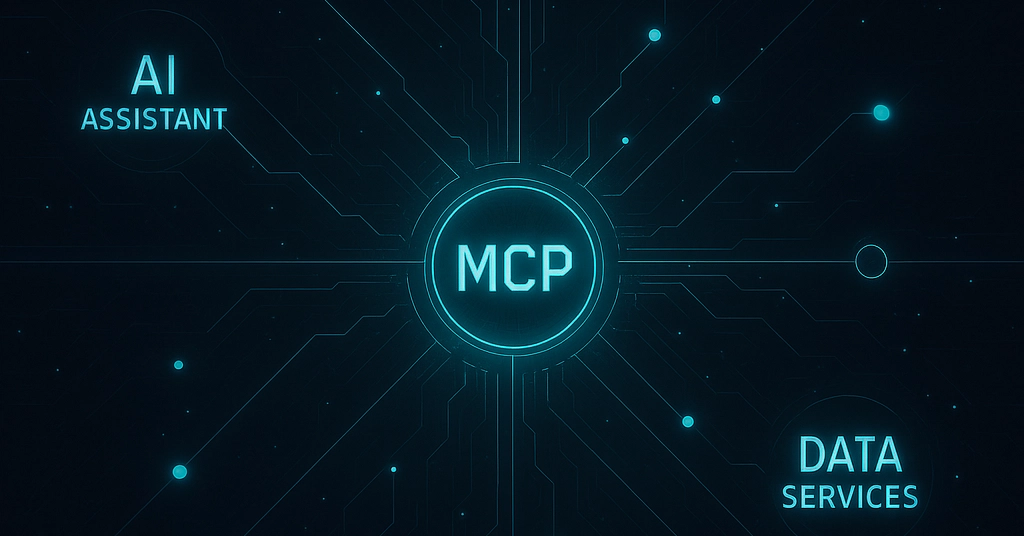
The Model Context Protocol represents a fundamental architectural shift from passive content indexing to active data integration. Traditional search engines crawl websites on schedules, creating static snapshots of content. MCP-enabled AI systems establish direct pipelines to data sources through standardized server interfaces, retrieving real-time data, generating dynamic content, and delivering contextual answers that reflect actual business state—not cached versions from last week's crawl.