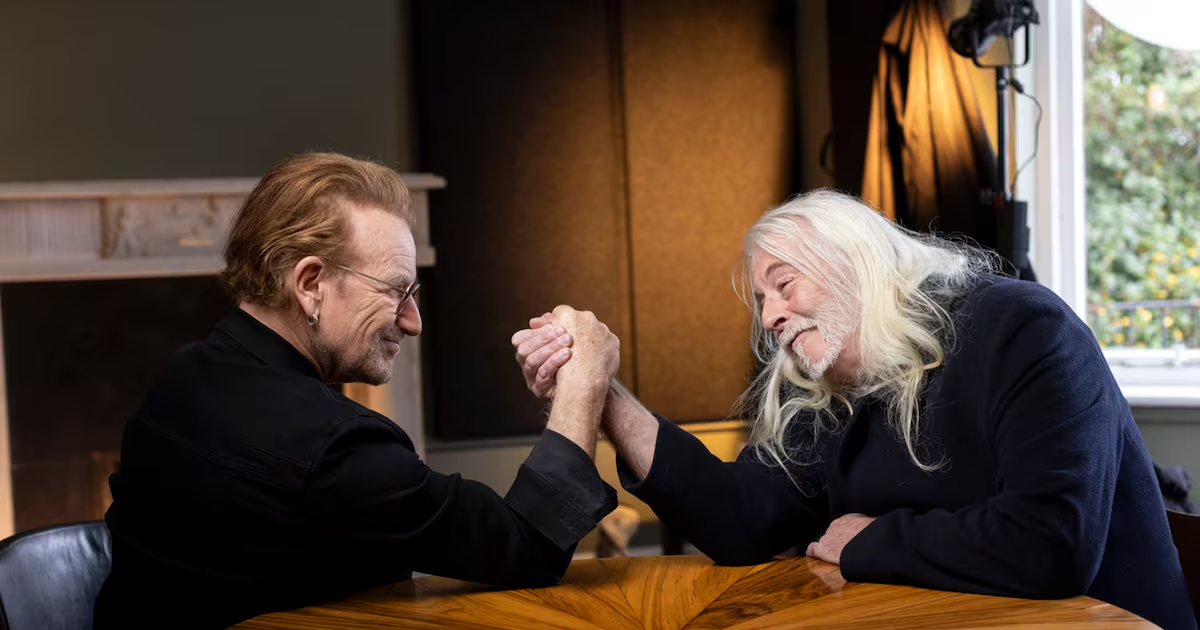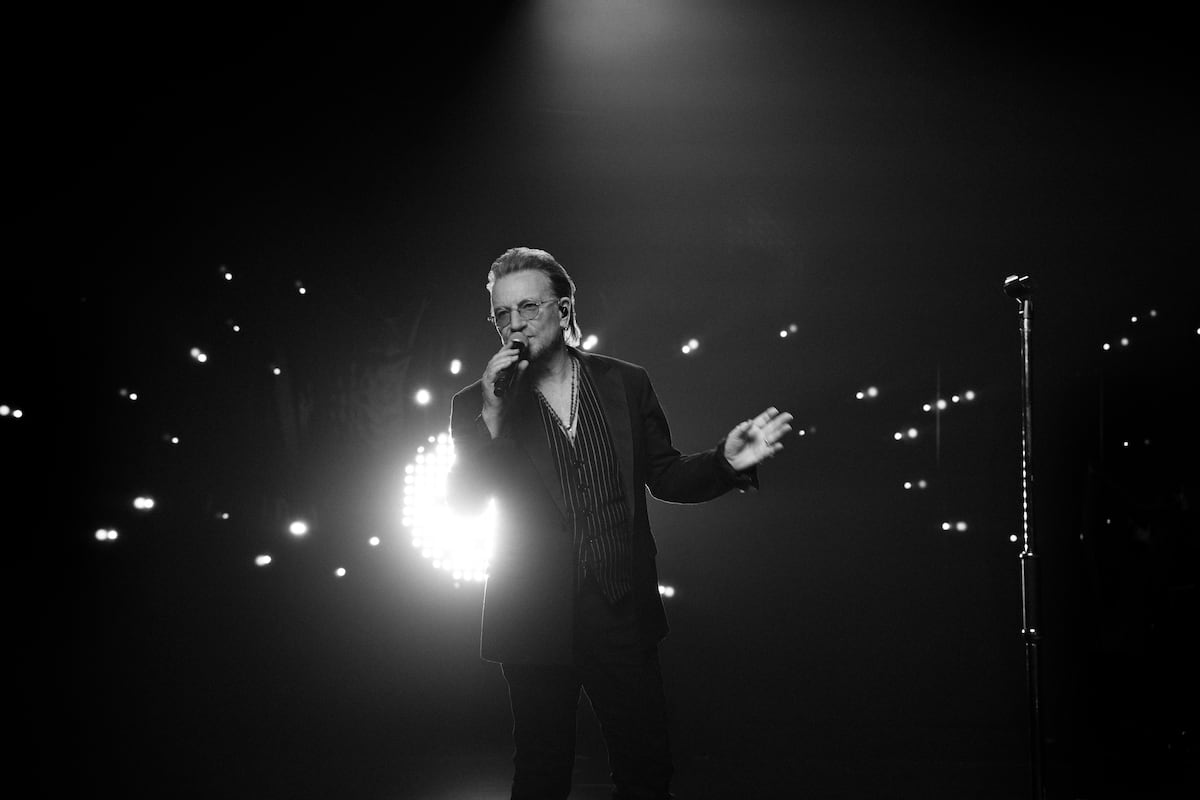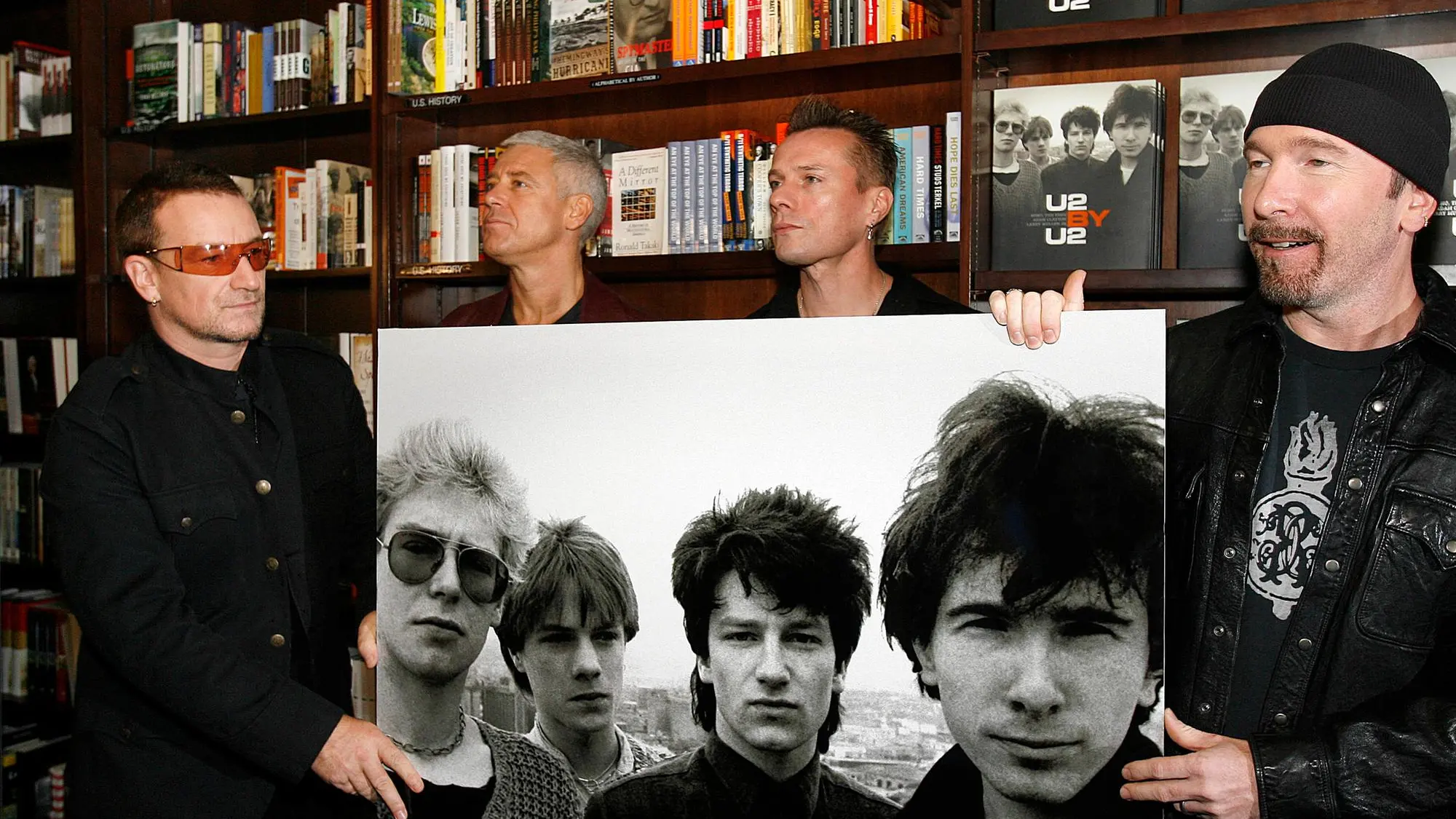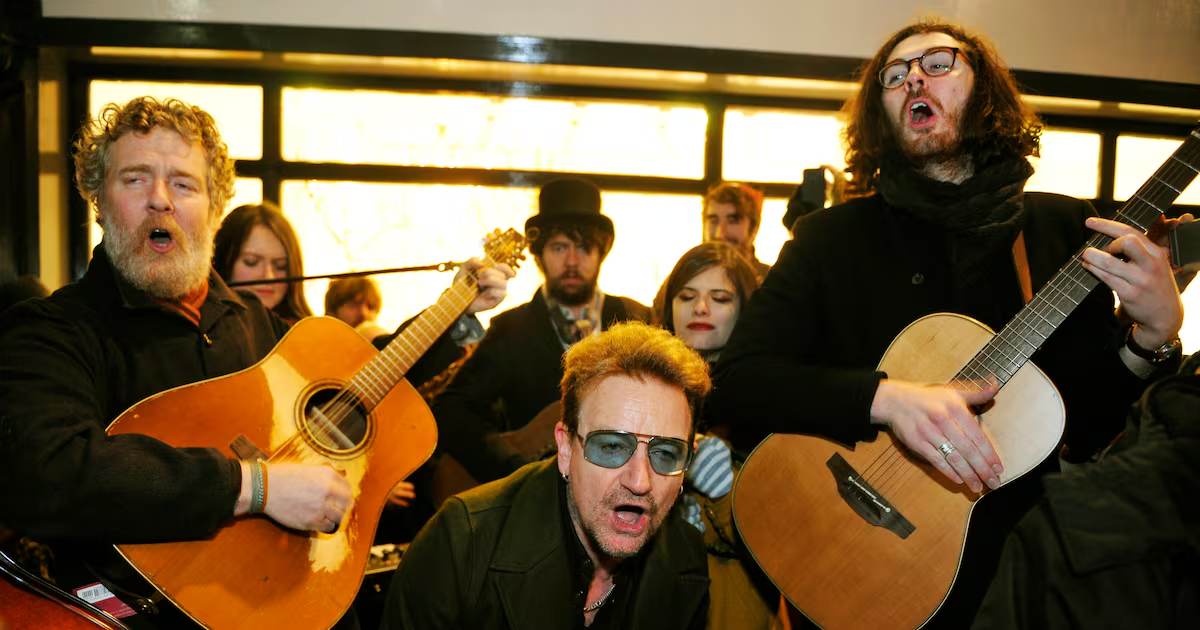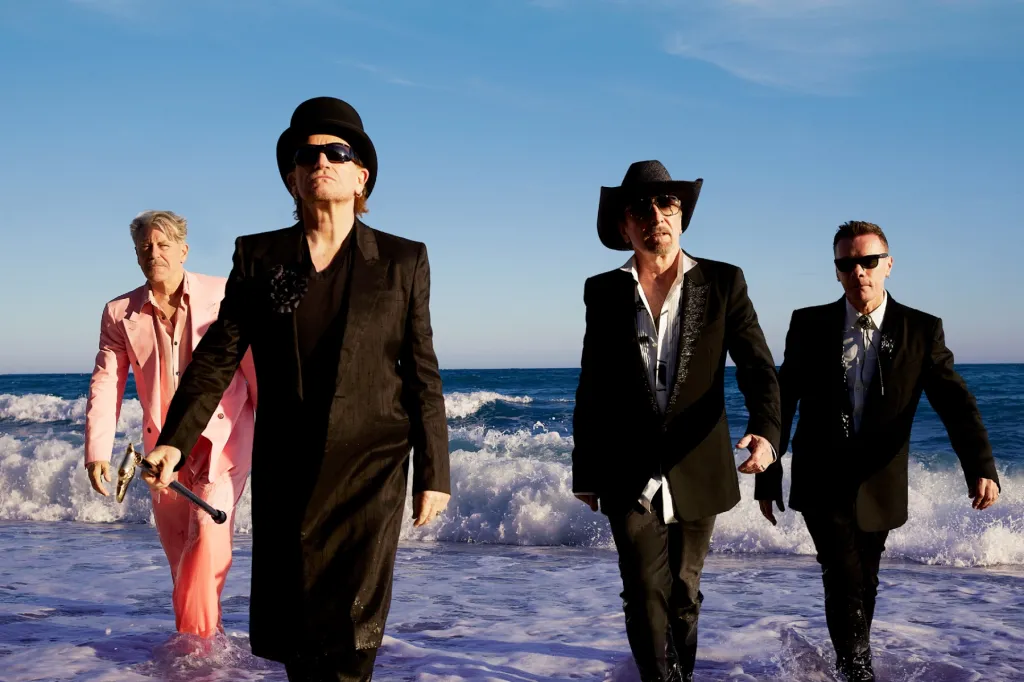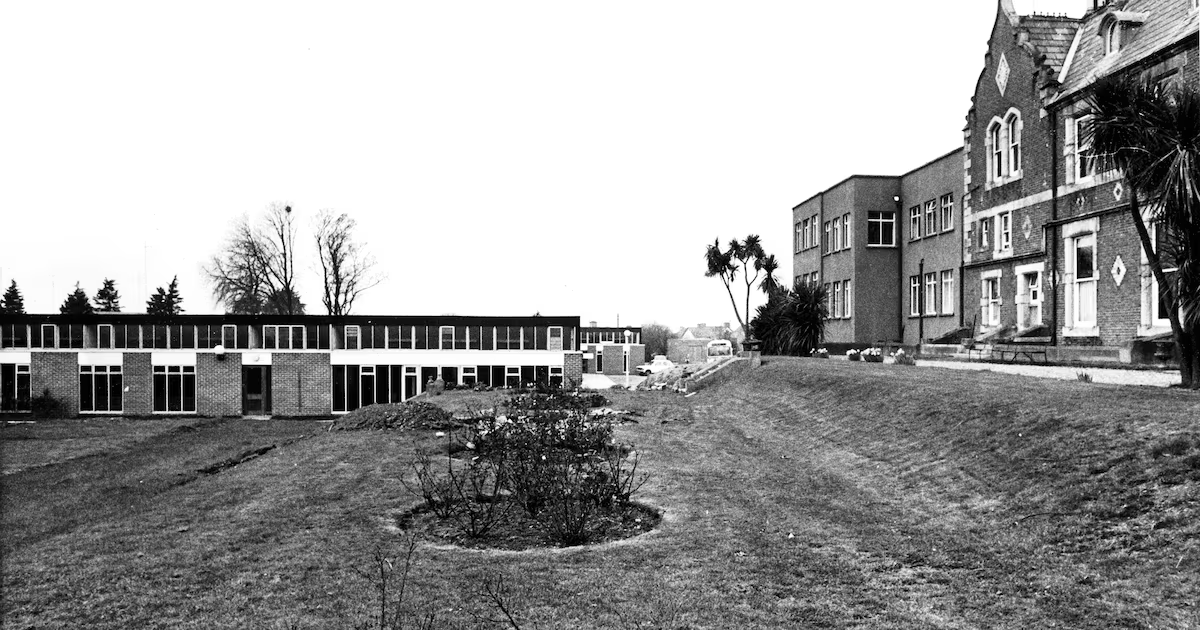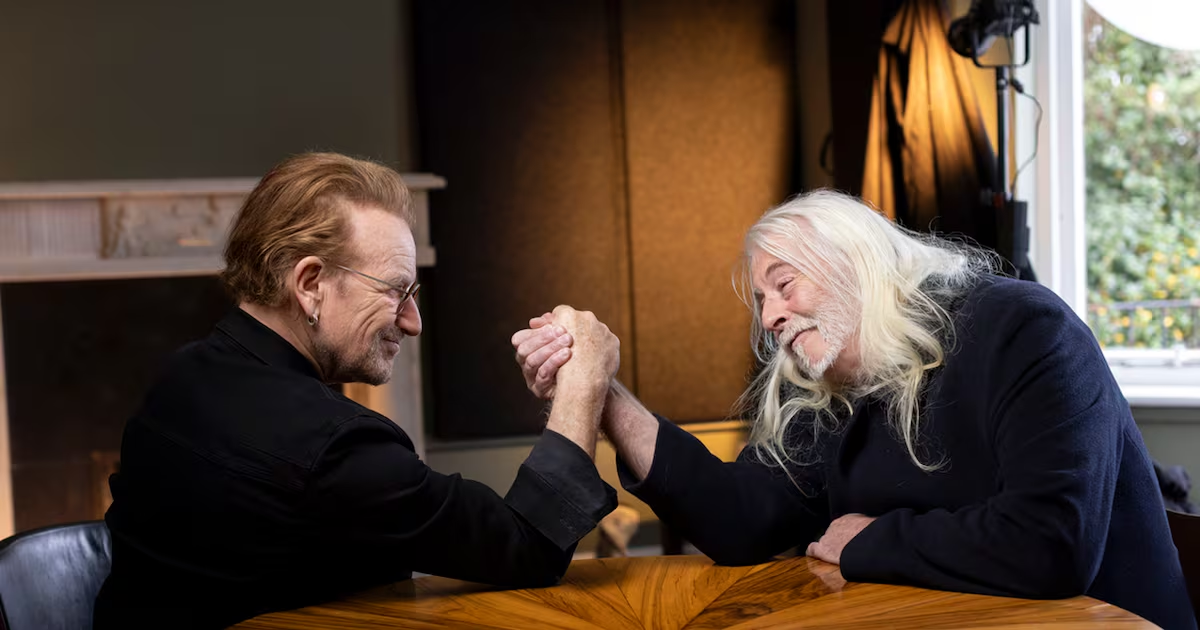
When Bono was growing up on the northside of Dublin, the smartest person he knew was his neighbour, Andy “Guck” Rowen. “He probably had the highest IQ of any kid on our street, and sometimes it seemed he’d memorised the Encyclopaedia Britannica,” recalls the U2 singer in Maurice Sweeney’s absorbing, if often bleak, documentary, Bad: The Song That Saved My Life (RTÉ One, Monday, 9.35pm). The two would drift in and out of each other’s lives as Bono lived through the death of his mother, formed U2, and became a global rock star. Yet as Bono ascended to international fame, Rowen was spiralling – turning to heroin to medicate an abusive upbringing exacerbated by the trauma he experienced witnessing the 1974 Dublin bombing at close quarters (he and his father were lucky not to be killed in the blast at Parnell Street).Bono never forgot his childhood pal. He tapped into his complicated feelings about Rowen for two of U2’s defining early anthems. Rowen was the inspiration for 1984’s Bad – written from the perspective of someone coming to terms with a friend’s addiction. “I hit a thought… this feeling everyone feels when they’re next to somebody... ‘I’m wide awake, I’m not sleeping’…”Those thoughts would circle back to Rowen on 1987’s The Joshua Tree, where Running to Stand Still evokes the Ballardian purgatory of the Ballymun flats – Rowen’s home for several years. As Bono puts it so ominously: “I see seven towers /but I only see one way out.” But there was more than one way out for Rowen, and he has somehow survived, though not unscathed. He has lost his vision and was largely absent from the lives of his seven children. But he appreciates that it could be worse. He might not be around at all.Bono speaks thoughtfully and fondly about Rowen and their shared childhood in Dublin. He also talks about his religious beliefs and how the steadfast faith of Rowen’s Protestant father helped him clarify his own feelings about the divine – a complicated thing to sit with given that Rowen’s father was physically abusive towards his family. “He introduced me to this idea of a personal God, which I know sounds preposterous. But I still believe that God is interested in the detail of our lives.”One quirk in the story is that both Rowen and Bono found redemption of sorts in the United States. As an Irish band trying to make it in the UK early in their career, U2 were scorned and mocked as earnest milksops. You can detect echoes of that in how U2 are talked about to this day in Britain and also Ireland, where the popular sport of Bono-bashing is one more thing we reflexively import from across the Irish Sea.But in the US, U2 are adored. It was in the US too that Rowen turned his life around after Irish-American actor Declan Joyce arranged for him to enter rehab in Cleveland, Ohio. Rowen knew he had made the right decision when Joyce brought him to the Rock & Roll Hall of Fame in Cleveland, and he stumbled upon Bono’s original lyrics to Bad. If that isn’t provenance, what is?[ A ghost from my teenage past emailed to say hello. I’m so glad he didOpens in new window ]As with U2, getting out of Ireland is probably what saved him. “Dublin can be a very tough place. There can be a critical mindset in the culture. A harshness where it’s hard to find grace,” says Joyce. “America tends to give more grace – it tends to be more of a positive, upbeat, ‘you can do this’.”Grace is what Rowen found – and he carries it with him to this day. “My favourite people are survivors,” is how Bono puts it. “People who walk through the valley of the shadow of death and make it to the other side.”
Bad – The Song That Saved My Life review: A U2 anthem linking two extreme trajectories
Television: Bono never forgot his childhood pal Andy Rowen and tapped into his feelings about him for two of U2’s defining early anthems
647 words~3 min read