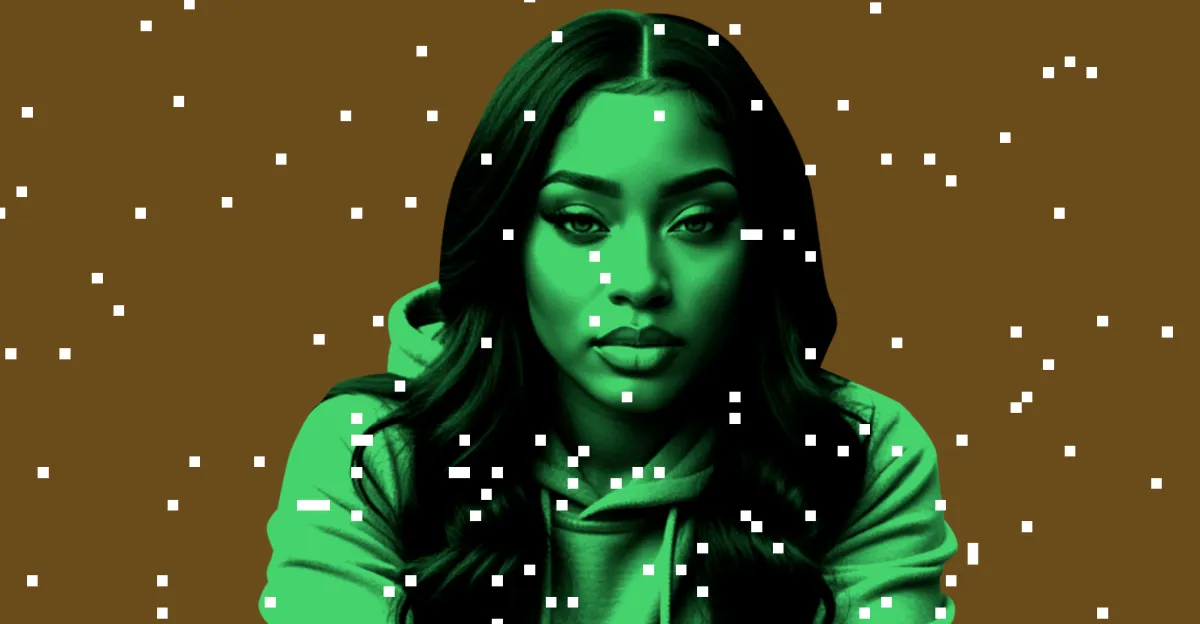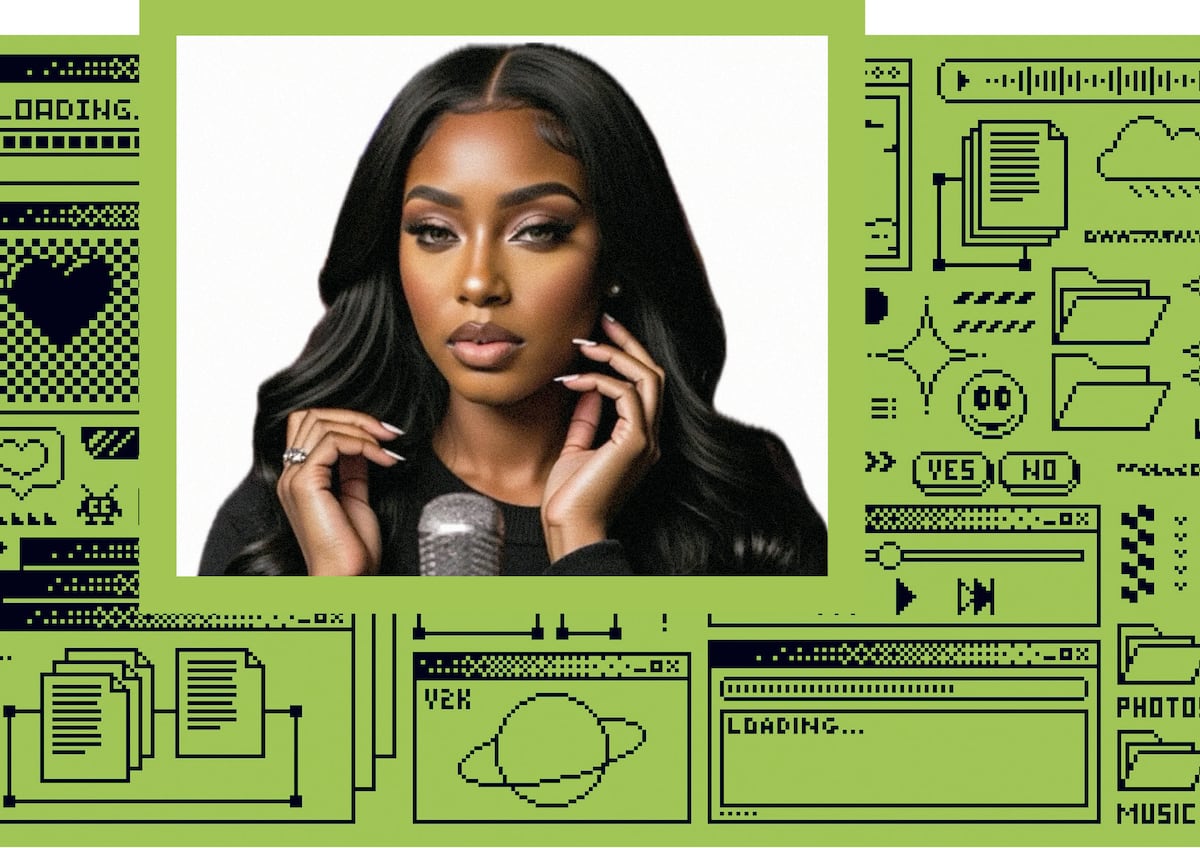
In September 2025, a 31-year-old poet from Olive Branch, Mississippi named Telisha “Nikki” Jones watched her AI-generated R&B project, Xania Monet, debut at number one on Billboard's R&B Digital Song Sales chart. Jones had never considered herself a singer. She had spent years writing deeply personal poetry, running a printing company, and singing quietly in church. Then she discovered Suno, a generative AI music platform, and began feeding her poems into it. Within four months, record labels were locked in a bidding war that reached three million dollars. Hallwood Media, led by former Geffen Records president Neil Jacobson, won.
The reaction from the music industry was swift and visceral. R&B singer Kehlani took to TikTok, declaring: “There is an AI R&B artist who just signed a multi-million-dollar deal, and the person is doing none of the work. I don't respect it.” Victoria Monet told Vanity Fair that it was “hard to comprehend that, within a prompt, my name was not used for this artist to capitalise on,” pointing to the uncanny resemblance between herself and the AI avatar. SZA posted a screenshot questioning why anyone would “devalue our music.” Producer Jermaine Dupri compared the acceptance of AI artists to the Milli Vanilli scandal. The public narrative crystallised quickly: AI music was inauthentic, parasitic, and threatening to real artistry.