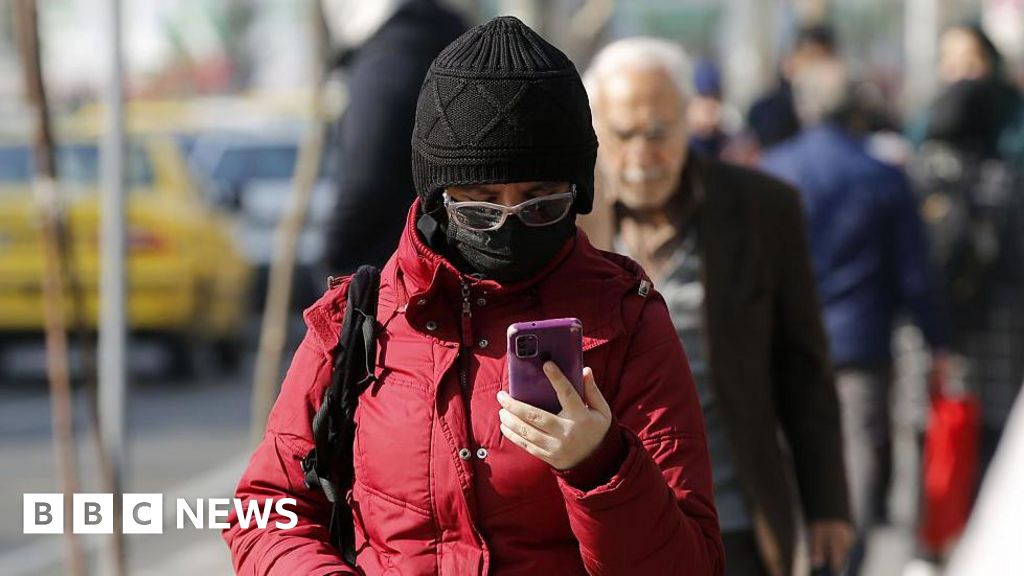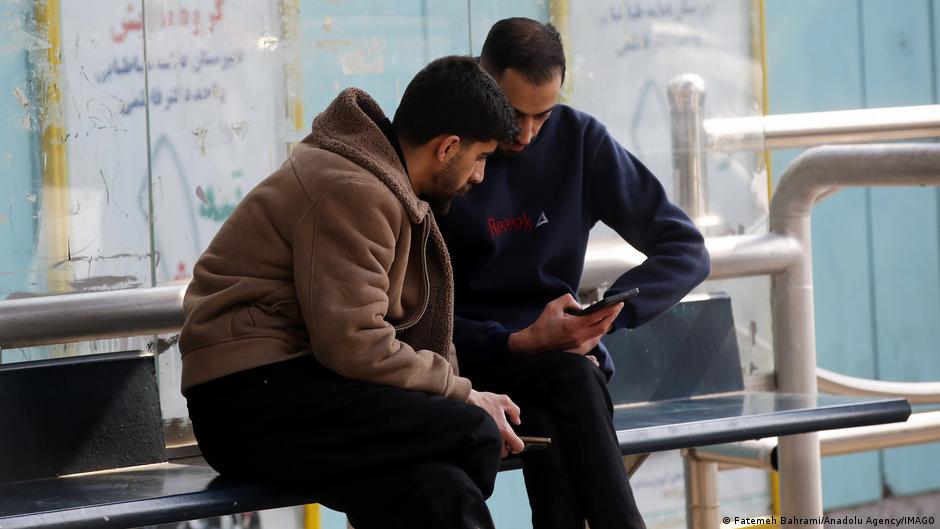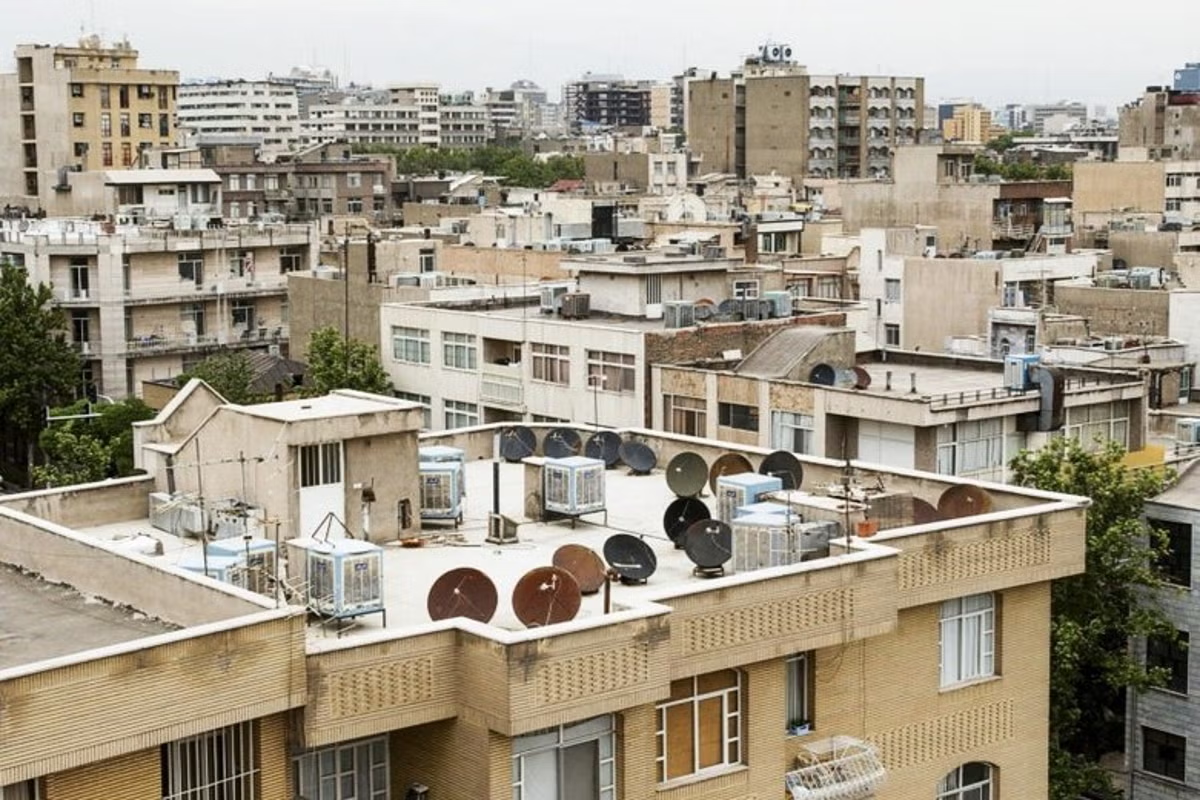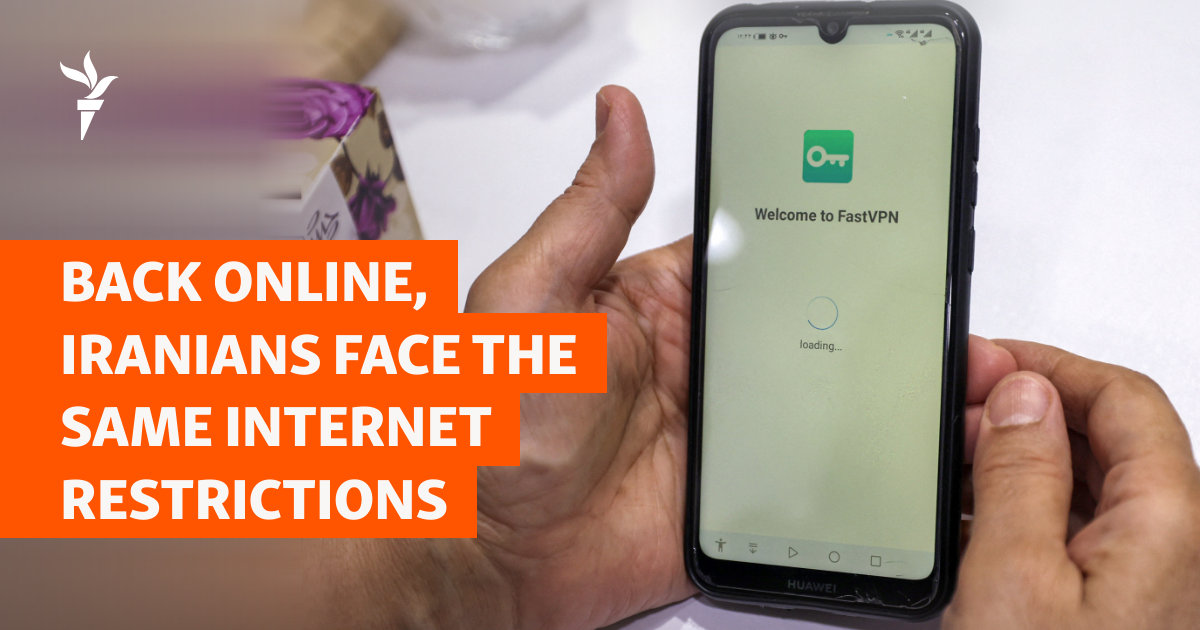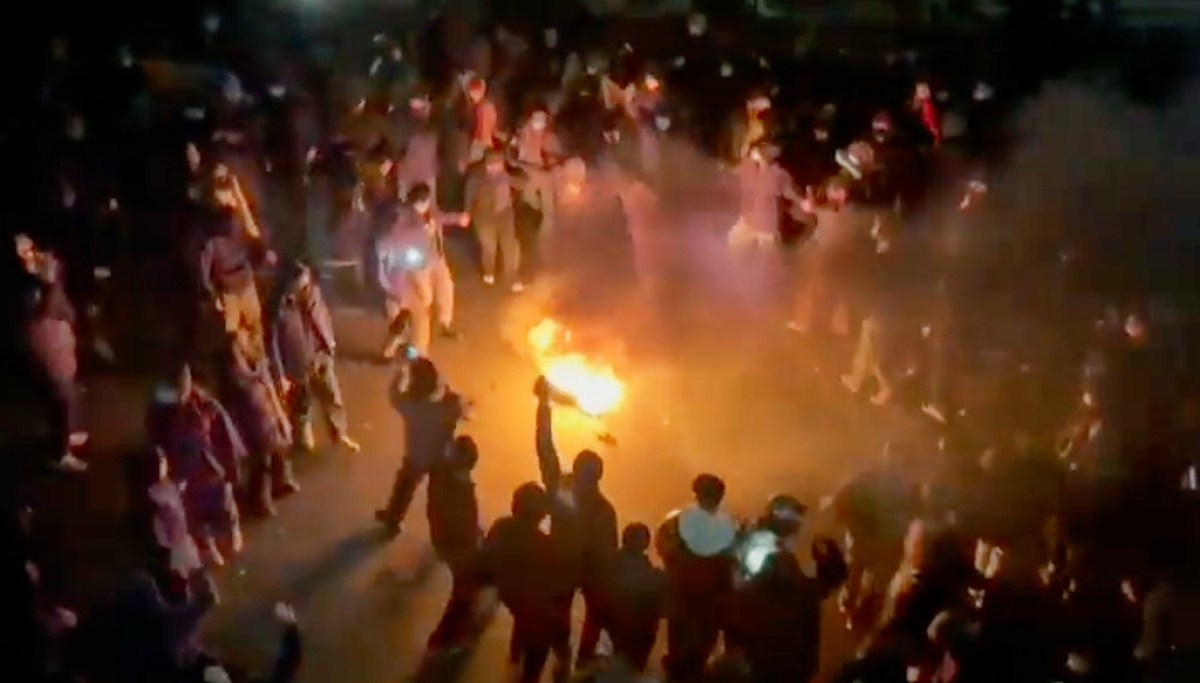
Iran’s internet access has partially returned after nearly 90 days, the longest blackout in the country’s history. Yet authorities continue to throttle the available bandwidth, with Iranians reporting they are unable to upload or download videos and other content. Even this fragile connectivity could be cut at a moment’s notice, and people wonder when the next blackout will begin.Washington’s response to the Islamic Republic’s digital repression is a game of cat and mouse, as efforts to restore connectivity are repeatedly overtaken by new restrictions. Without a durable solution, Tehran will continue to impose prolonged shutdowns while relying on technological support from Beijing to sustain its censorship apparatus. The answer lies in establishing an interagency task force that expands satellite internet and counter-jamming capabilities while sanctioning those responsible for Iran’s internet control infrastructure.Internet connectivity matters on three fronts. First, Iranians can receive information from foreign leaders, opposition figures, or independent media, rather than relying on regime propaganda. Second, it allows the world to hear directly from the people as they document abuses and daily life. Third, it enables Iranians to coordinate collective action during protests.
Iran's internet is back, until it isn't
The FREEDOM Act would assess Direct-to-Cell connectivity and counter-jamming technologies, and the IRAN Act expands internet access.
768 words~3 min read