Get the latest news and updates from Dawn
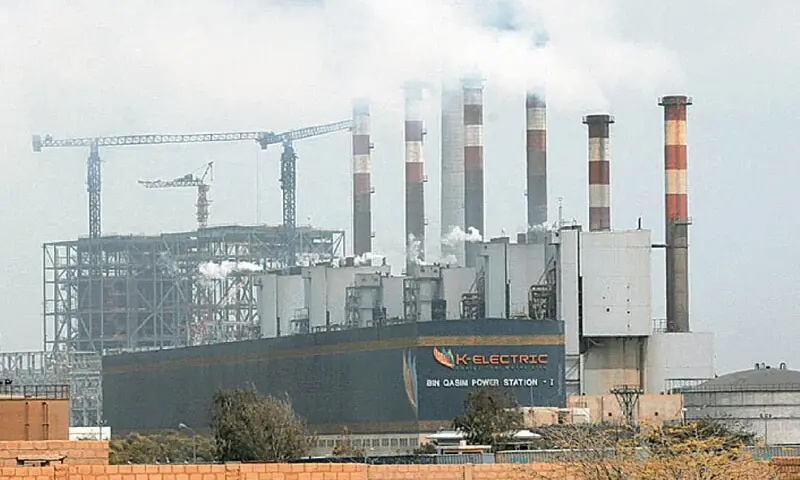
KARACHI is country’s largest commercial city, its financial engine, and home to millions of consumers who pay some of the country’s highest electricity bills. Yet the city’s electricity system remains controlled by one dominant private utility; K-Electric (KE). The company’s own profile says it is Pakistan’s only vertically integrated power utility, managing generation, transmission and distribution, and serving more than 3.7 million customers across a 6,500 sq-km licensed area, including Karachi and nearby regions of Sindh and Balochistan. This makes KE more than a normal company. It should be a public-interest institution.
As things stand, KE has become, for many Karachi residents, a menace to live with; powerful, unavoidable, protected by systems, and difficult for the ordinary people to challenge.
The Karachi Electric Supply Company (KESC) was privatised in 2005, and the KE took over with the promise that private management would bring efficiency, investment, better service and professional accountability. The reality has been rather different, marked by voltage fluctuations, unplanned breakdowns, frequent trans-former faults, long delays in restoration, overbilling and weak response mecha-nisms. The core issue is not electricity failure. The deeper issue is accountability failure.