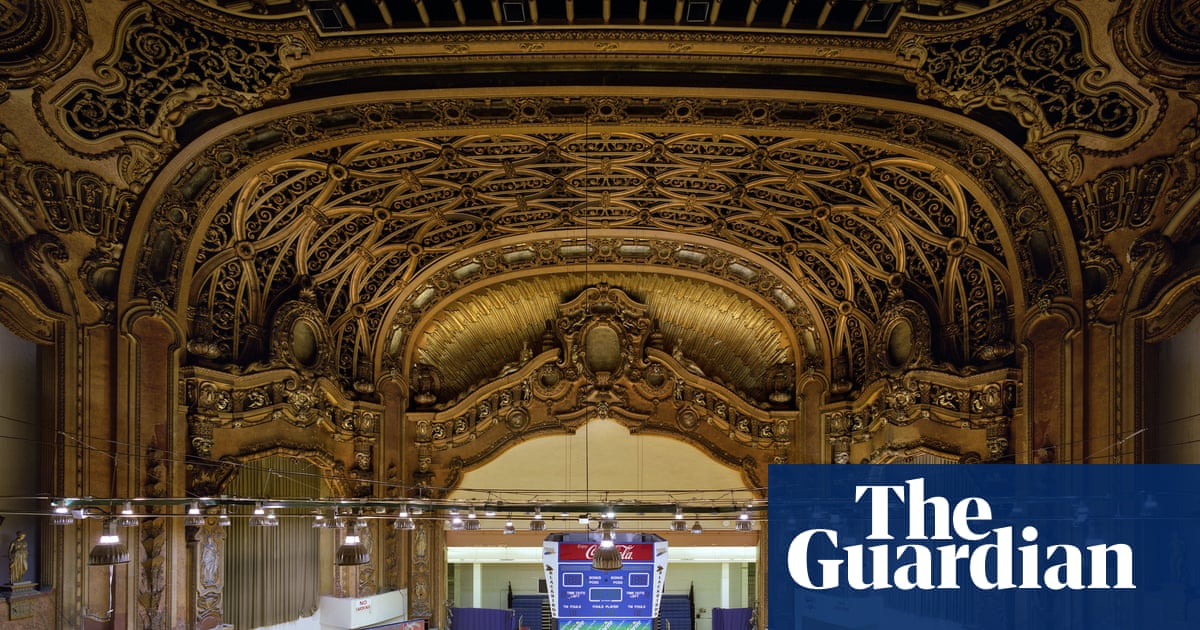
At one point, I am certain it was grand.Article continues after advertisement
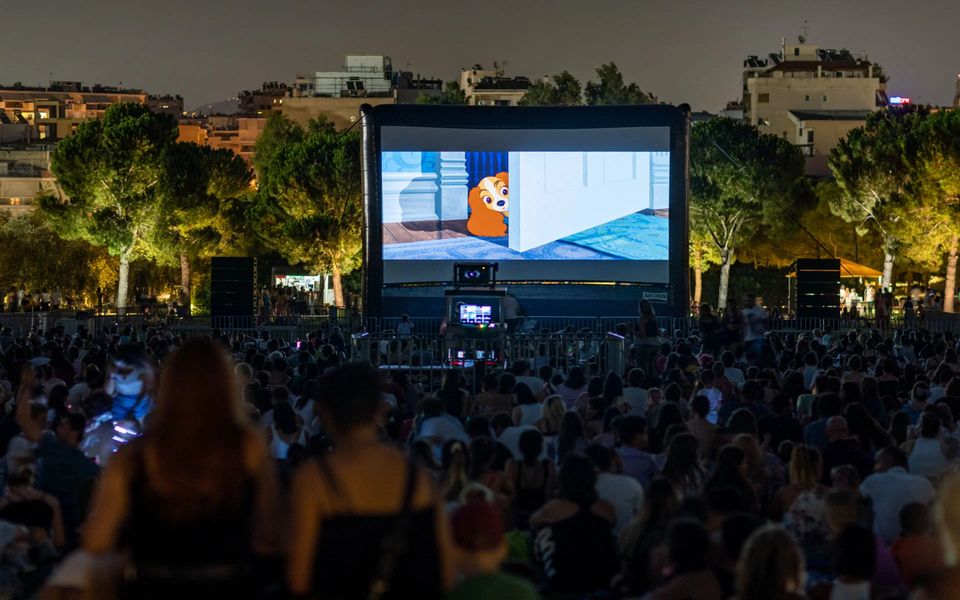
That’s not how I met the Castle Theater in the 1980s, its opulence long gone. You could pay four dollars and see as many movies as you wanted. There were two screens that alternated between showing upward of four films. It was walking distance from my grandmother’s house. The dampness, the slight odor and the occasional mouse made it so that I only saw movies there when I couldn’t get a ride or didn’t feel like taking the bus out to the suburbs to a real theater, one that might be less sticky. For all its stickiness, grime and scent, the images reflected in the darkness of that room were an escape.
Transporting was necessary.
The theater sat just above the main downtown road in Irvington, New Jersey. Like every city in the area that was now predominantly Black, Irvington had once been a bedroom community for whites in its earlier days. The town next door, Maplewood, built walls and created one-way streets to direct the flow of traffic coming in and out of Newark and Irvington to protect its fading notion bourgeoisie exclusivity.
Those still living in Maplewood hadn’t realized that people with real money had already fled to counties not bordering places that poor Black folks called home. They were guarding a memory of things past, from people like us.