Featuring Work by Mary Gaitskill, Colette, Marlen Haushofer and More
Joy Williams wrote that one of eight essential attributes of the short story is “An animal within to give its blessing.” When I first came upon this wisdom, I was on the seventh draft of my debut novel Kitten, about a woman who develops an intense connection with her older boyfriend’s cat. I felt as though Williams had given me my own private blessing for my book. Many people ask me how I came to such an absurd or ‘wacky’ premise. But in my view, our relationships to animals, whose lives are untouched by the existential woes and artifices of personhood, are the richest and most evident ciphers for our own often inscrutable psyches.Article continues after advertisement
Using animals to illuminate what it means to be human is far from an original idea.
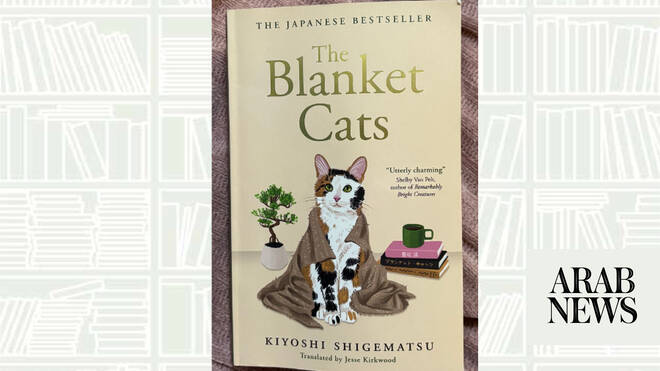
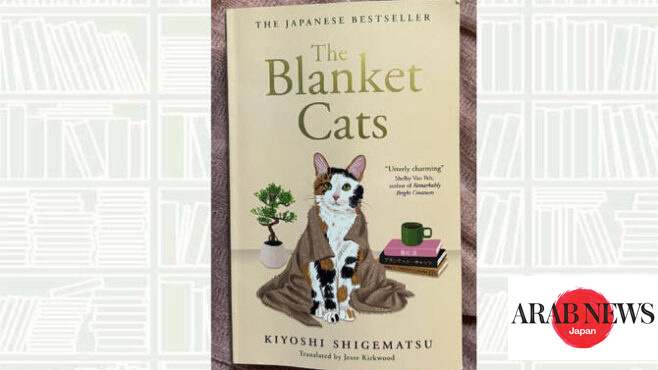
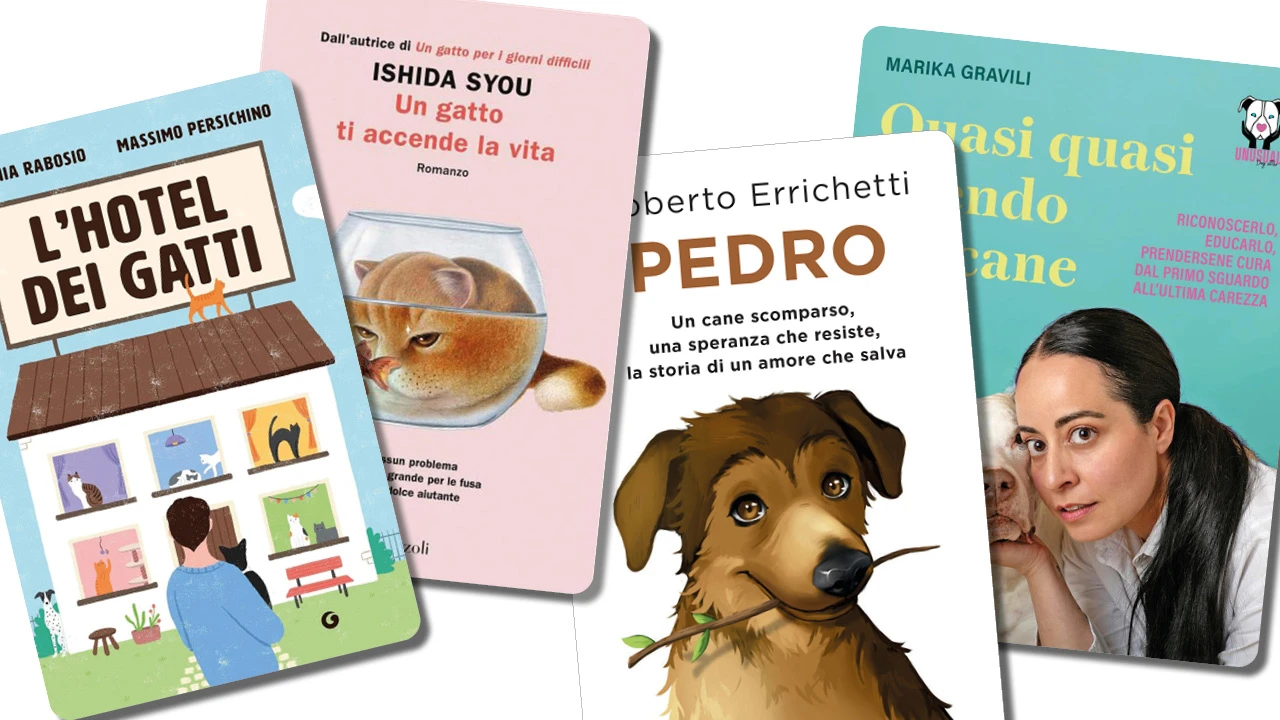
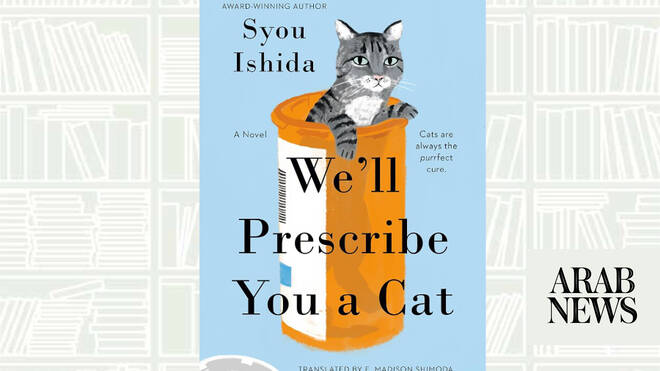
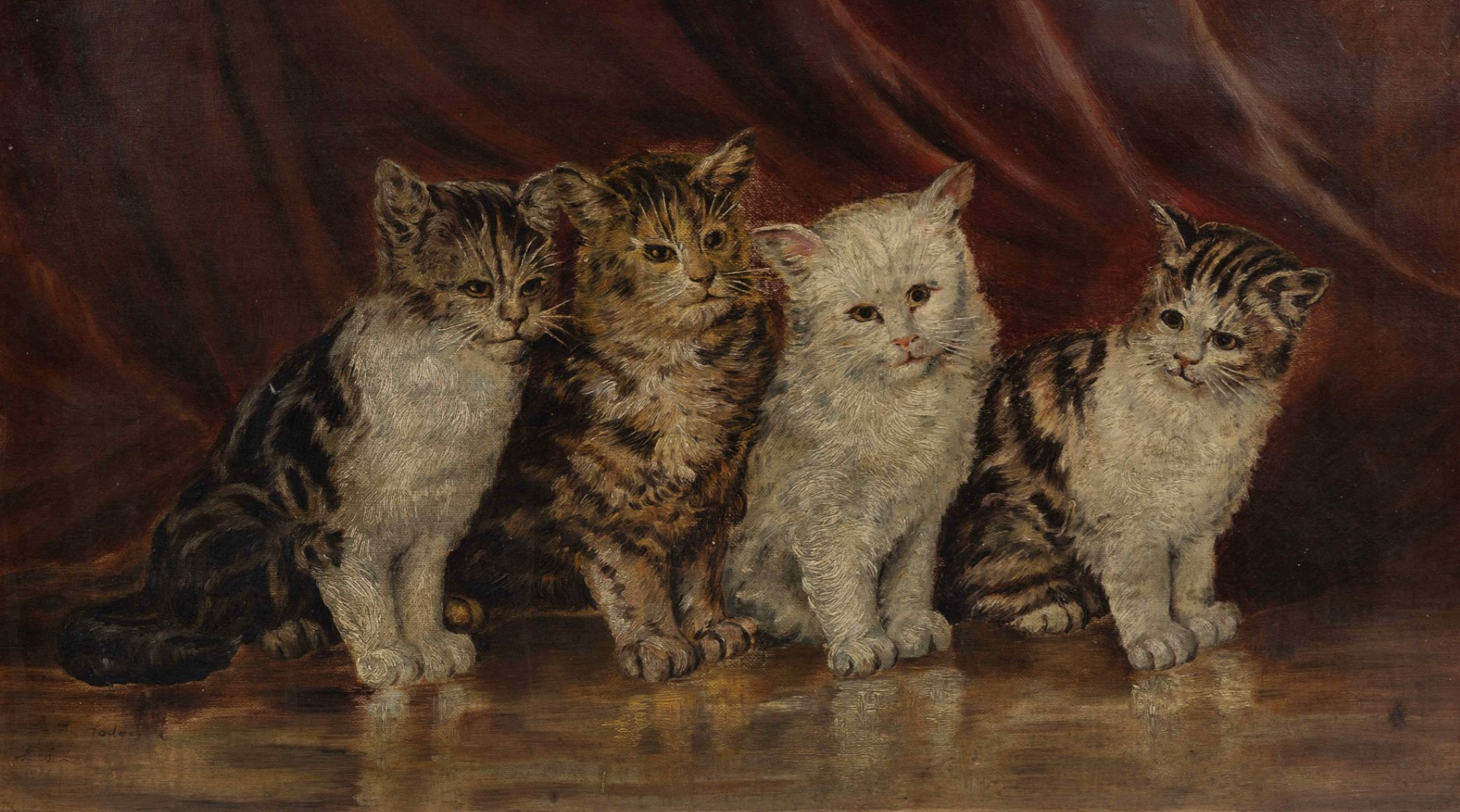
There are so many culture-defining animals in texts, going back all the way to Argos, Odysseus’s faithful dog. But what is it about cats that fascinated me? It was partly their charming irreproachability, that prim self-command we associate with the feline. I was also drawn to their obvious cuteness and whimsy, encapsulated by the myriad of beloved Japanese magic cat books. But beyond these qualities was something more ineffable—their insistence on their own autonomy. Unlike dogs, whose loyalty binds them, or birds, whose wings liberate them, or humans, whose obligations limit and distract us, cats can be kept, domesticized, and coddled, yet they still demand independence. Cats do what they want. They possess that distinctly animal yet simultaneously human impulse to be, and to remain, free.