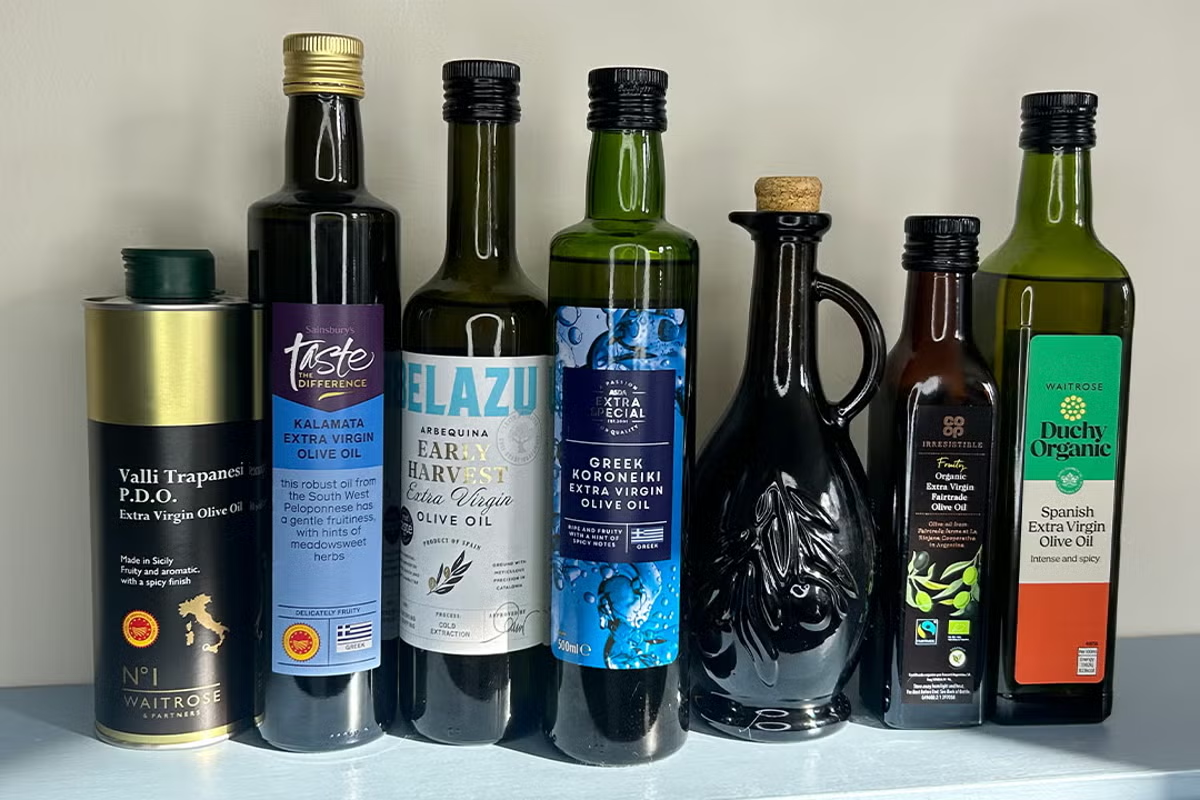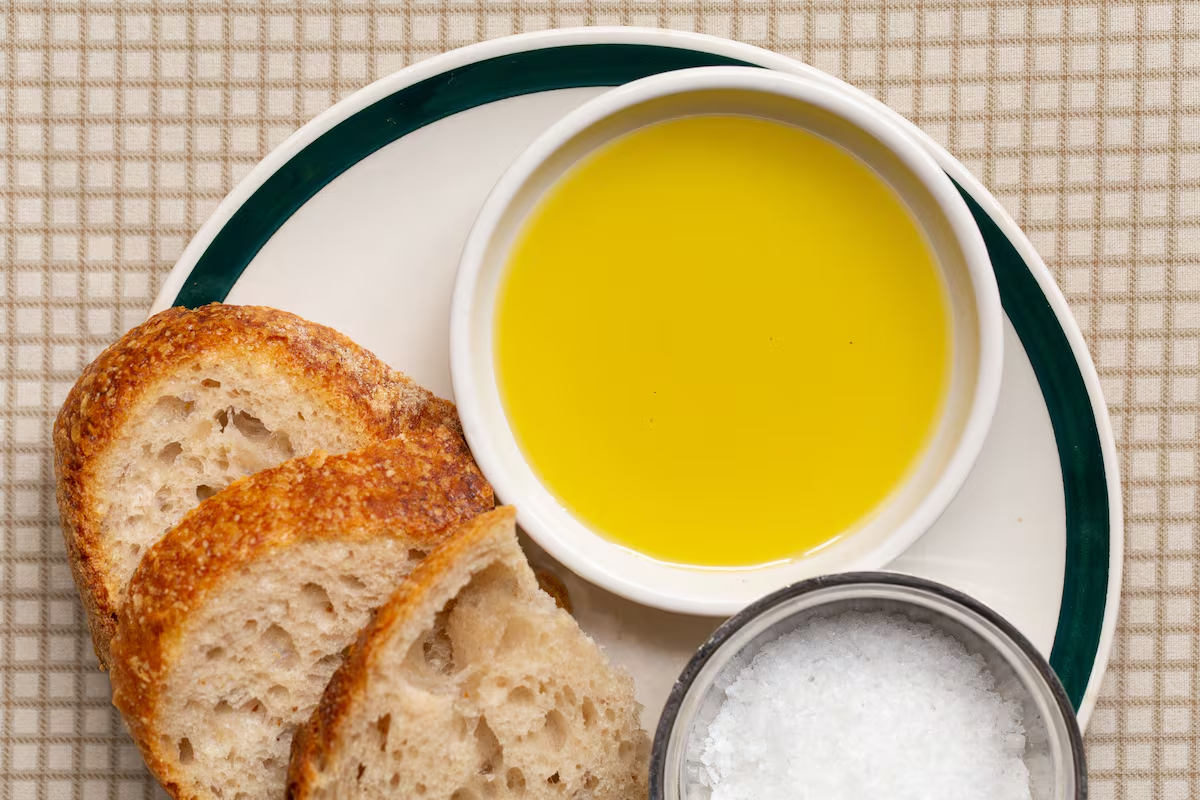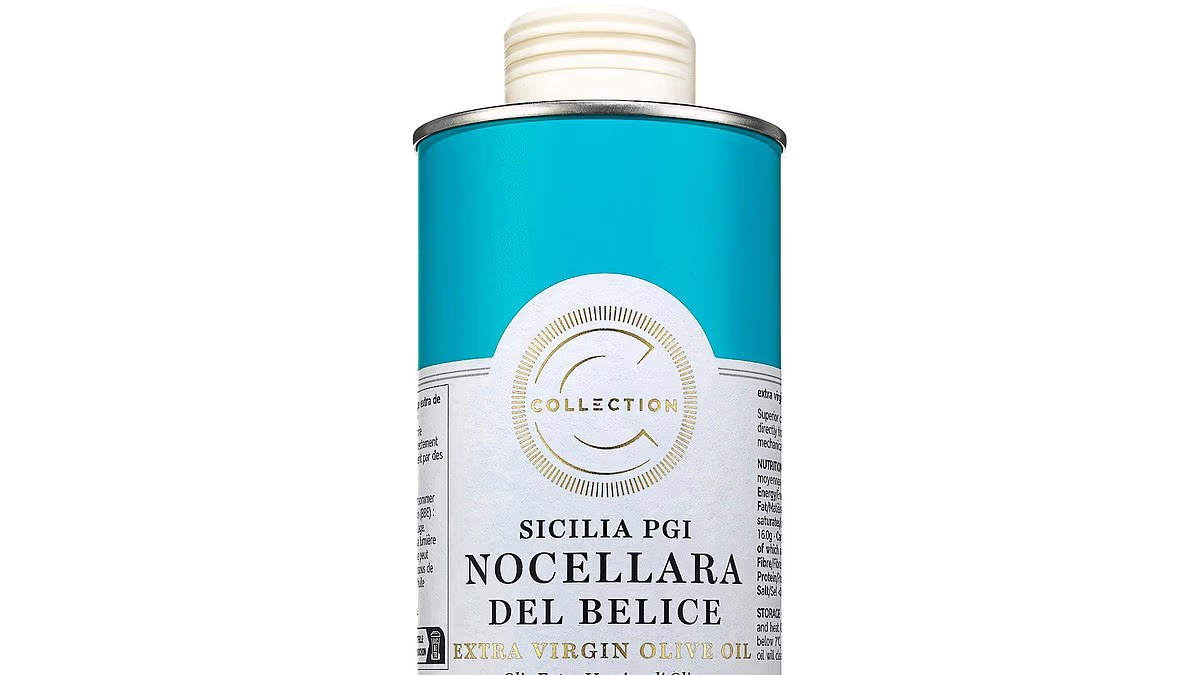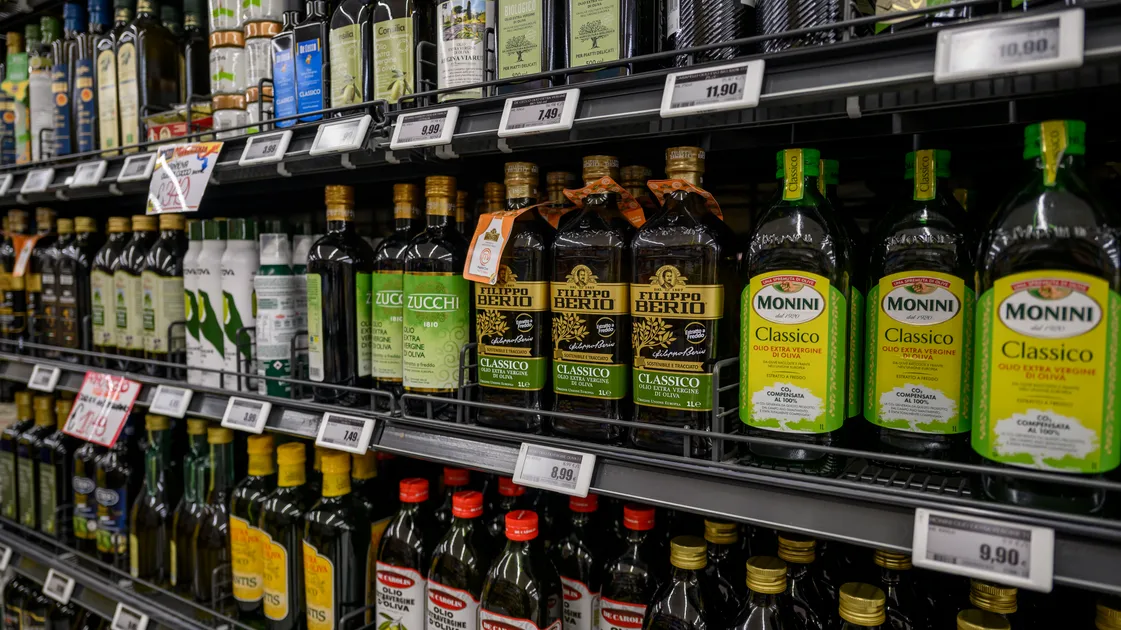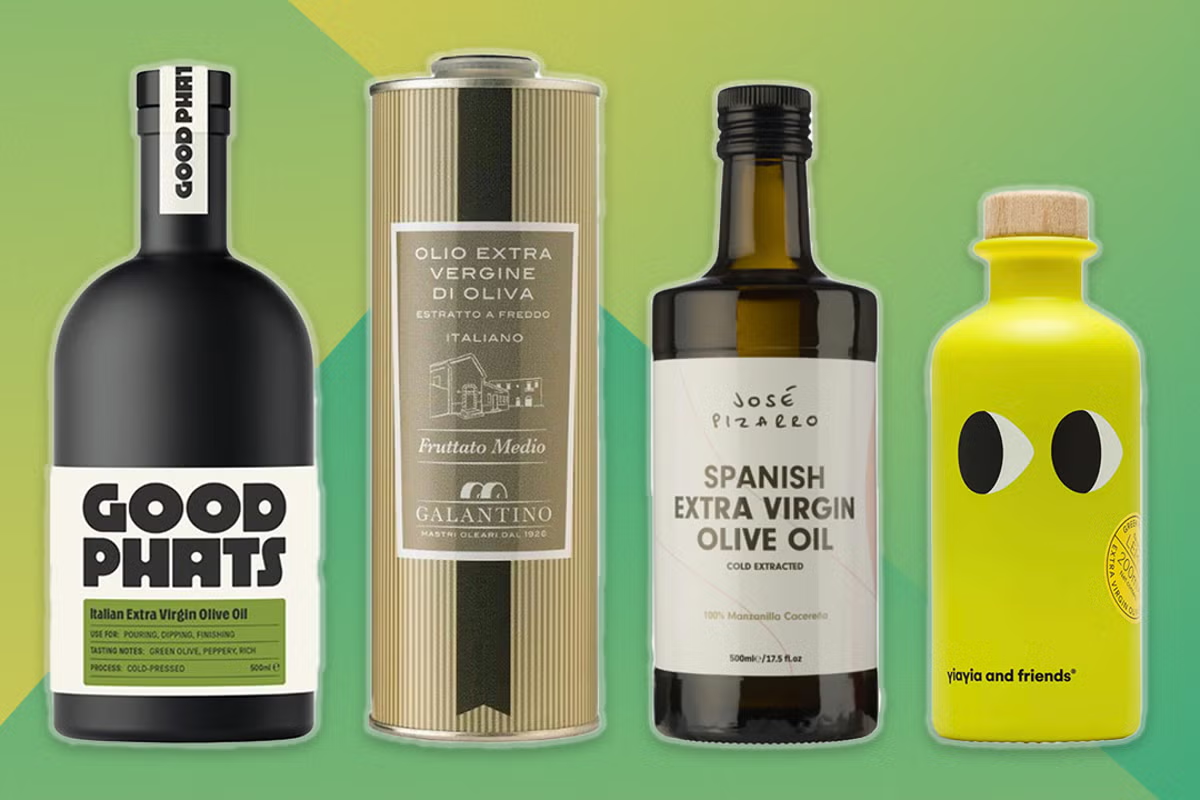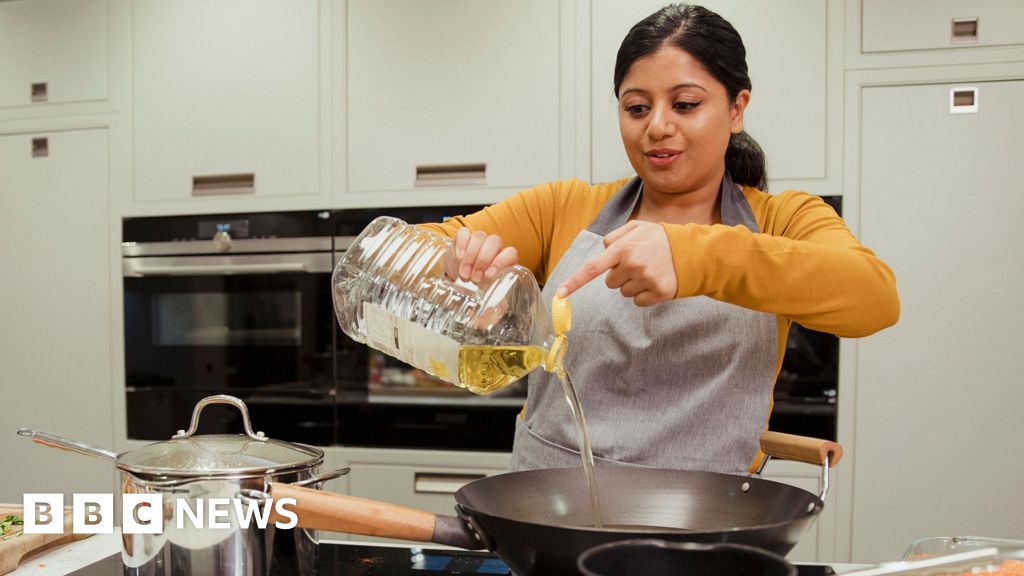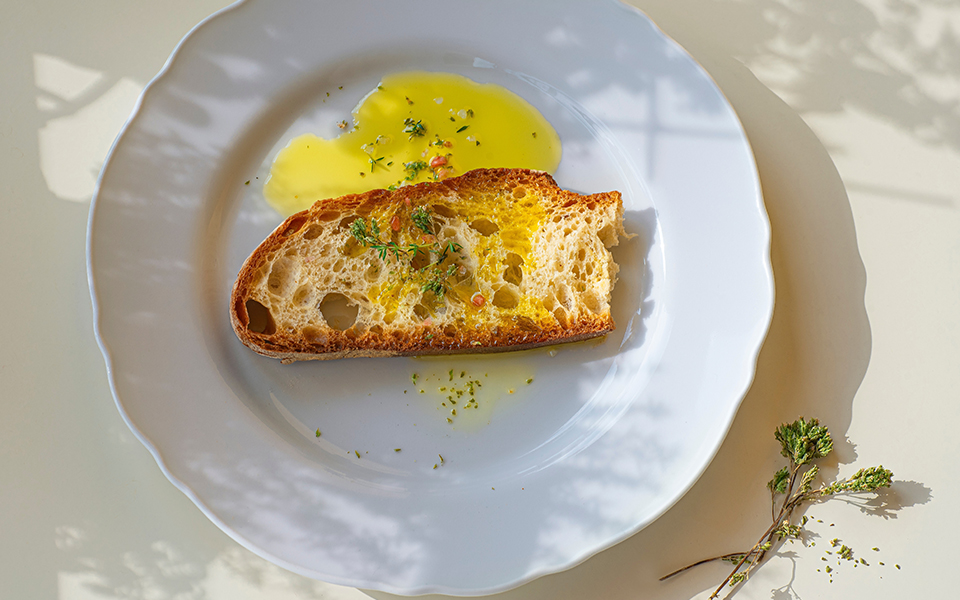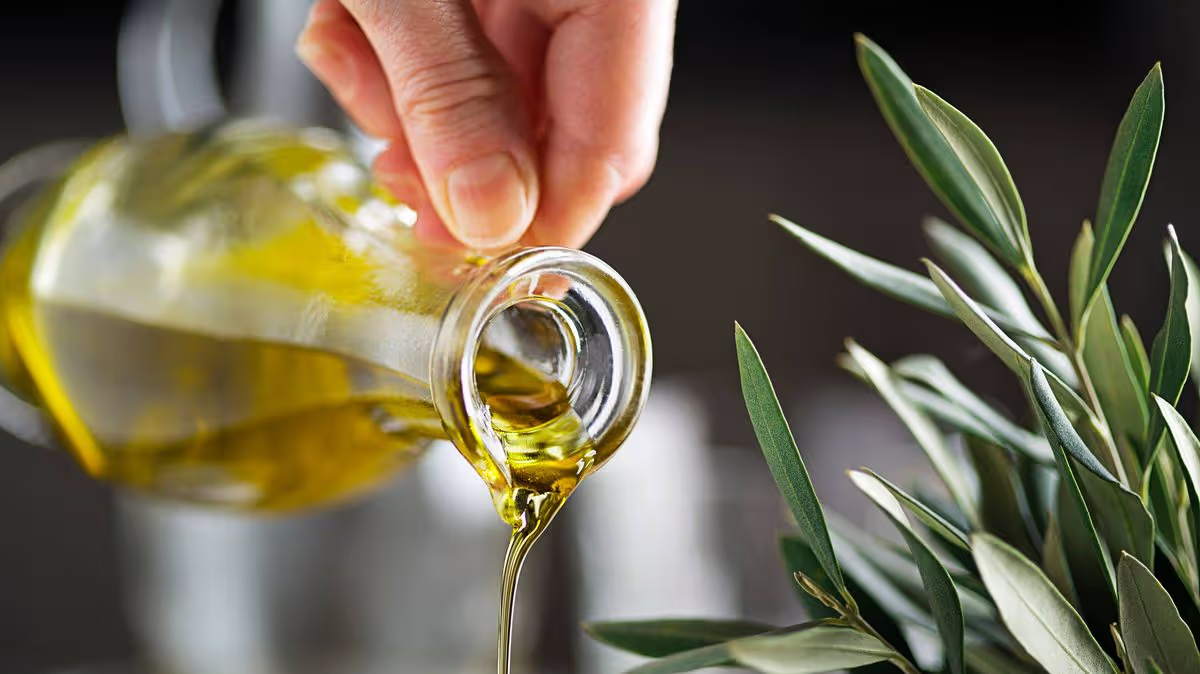
Olive oil is a staple in many kitchens, but with so many different types on the market, it can be confusing to know which one to choose11:42, 15 Jun 2026Olive oil stands as a kitchen essential across the globe, renowned for its health benefits, culinary versatility, and deep roots in Mediterranean tradition. Olive oil has numerous applications – it can be used in dressings, marinades, and recipes featuring vegetables and meat, along with puddings and baked goods.This nutritious fat is a plant-derived oil created by pressing or crushing fresh olives. Yet, with supermarket aisles brimming with countless bottles and tins, it can prove difficult to work out which olive oil to select.Plus, that's before tackling the vital question: what sets olive oil apart from "extra virgin" olive oil?Is olive oil the same as extra virgin olive oil?Put simply, no. While both originate from the humble olive, the distinctions lie in the manufacturing techniques, flavour, growing regions, and overall standard.Extra virgin olive oil represents the finest-quality olive oil available. It is an unprocessed oil, which means it is created by cold-pressing whole olives without introducing any extra heat or chemical treatments.This approach preserves the most authentic flavours and fragrances, capturing the true character of the olive.Extra virgin olive oil contains no imperfections, maintains an acidity level of 0.8% or below, and, when kept properly, delivers outstanding taste and aroma.The flavour of your extra-virgin olive oil will vary depending on the olive variety. It can range from buttery and herbal to peppery and bitter.By contrast, standard olive oil is a lower-grade product predominantly derived from refined olive oil. Producers will sometimes pass the olive paste through the mill several times to draw out additional oil, which ultimately reduces the quality of the final product.As standard olive oil is not subject to strict manufacturing or taste requirements, it is considerably more affordable than extra virgin olive oil.Generally speaking, standard olive oil carries a more neutral flavour profile compared to extra-virgin olive oil. It also tends to be lighter in both colour and aroma.While extra-virgin olive oil is undoubtedly the superior product, there is a place for both varieties in your kitchen.Can different oils be swapped for one another?Simply put, yes. If a recipe calls for olive oil, as many do, you can choose either extra-virgin or standard olive oil.The decision is entirely yours and largely comes down to personal preference. Both varieties are perfectly suitable for baking and cooking, though it's worth bearing in mind that they have differing smoke points.Article continues belowAs a general rule of thumb, the more flavoursome extra-virgin olive oil is best reserved for dipping bread, dressings, dips and uncooked dishes, as well as for finishing touches, allowing its distinctive flavour to truly shine through.
Extra virgin olive oil vs regular olive oil explained — how they're different
Olive oil is a staple in many kitchens, but with so many different types on the market, it can be confusing to know which one to choose
456 words~2 min read