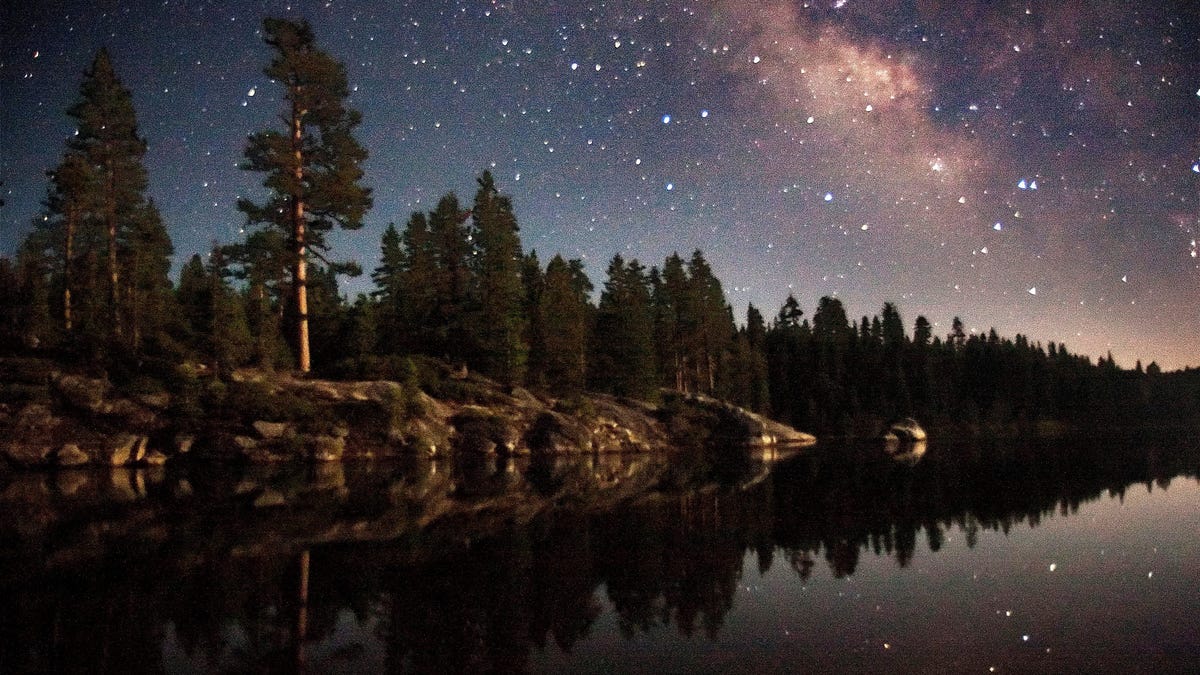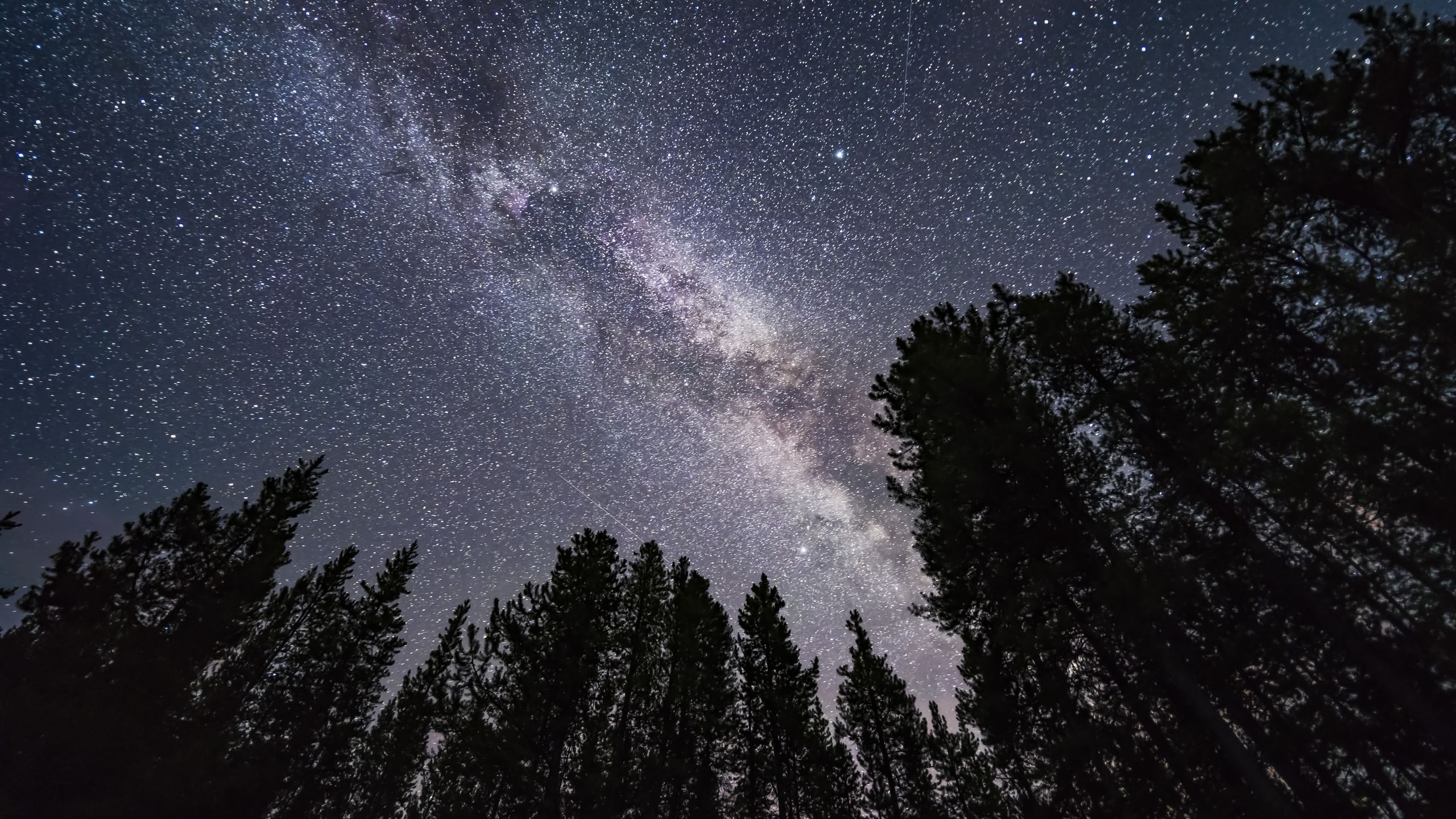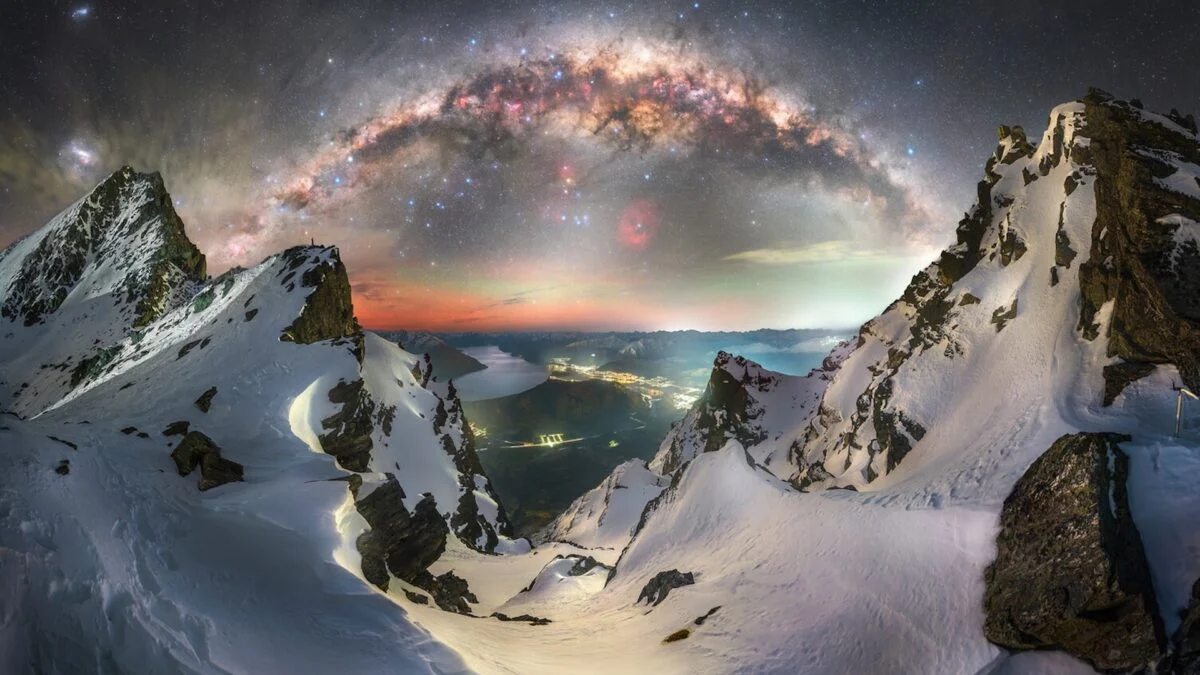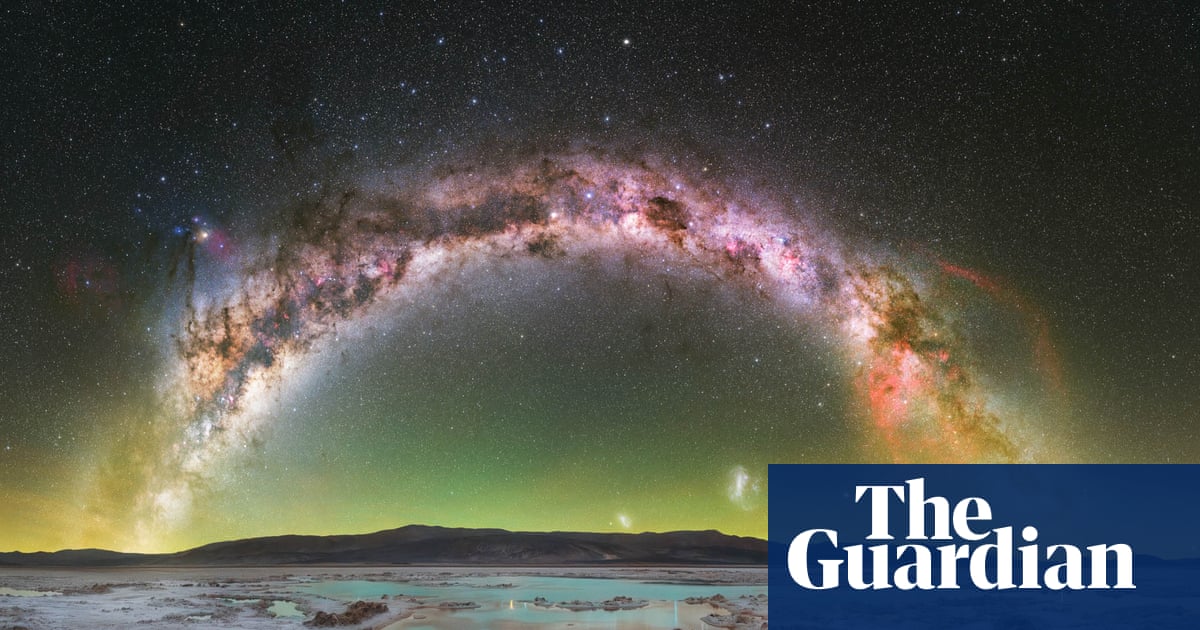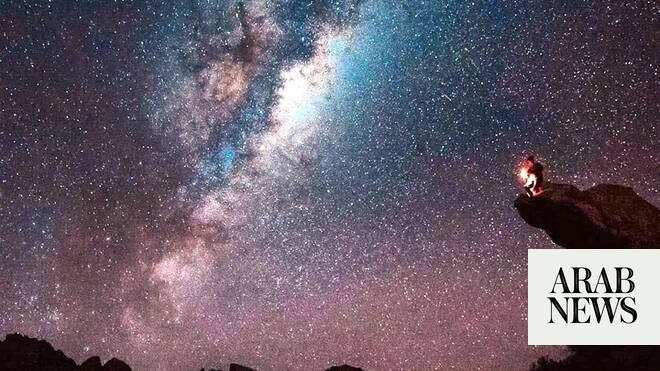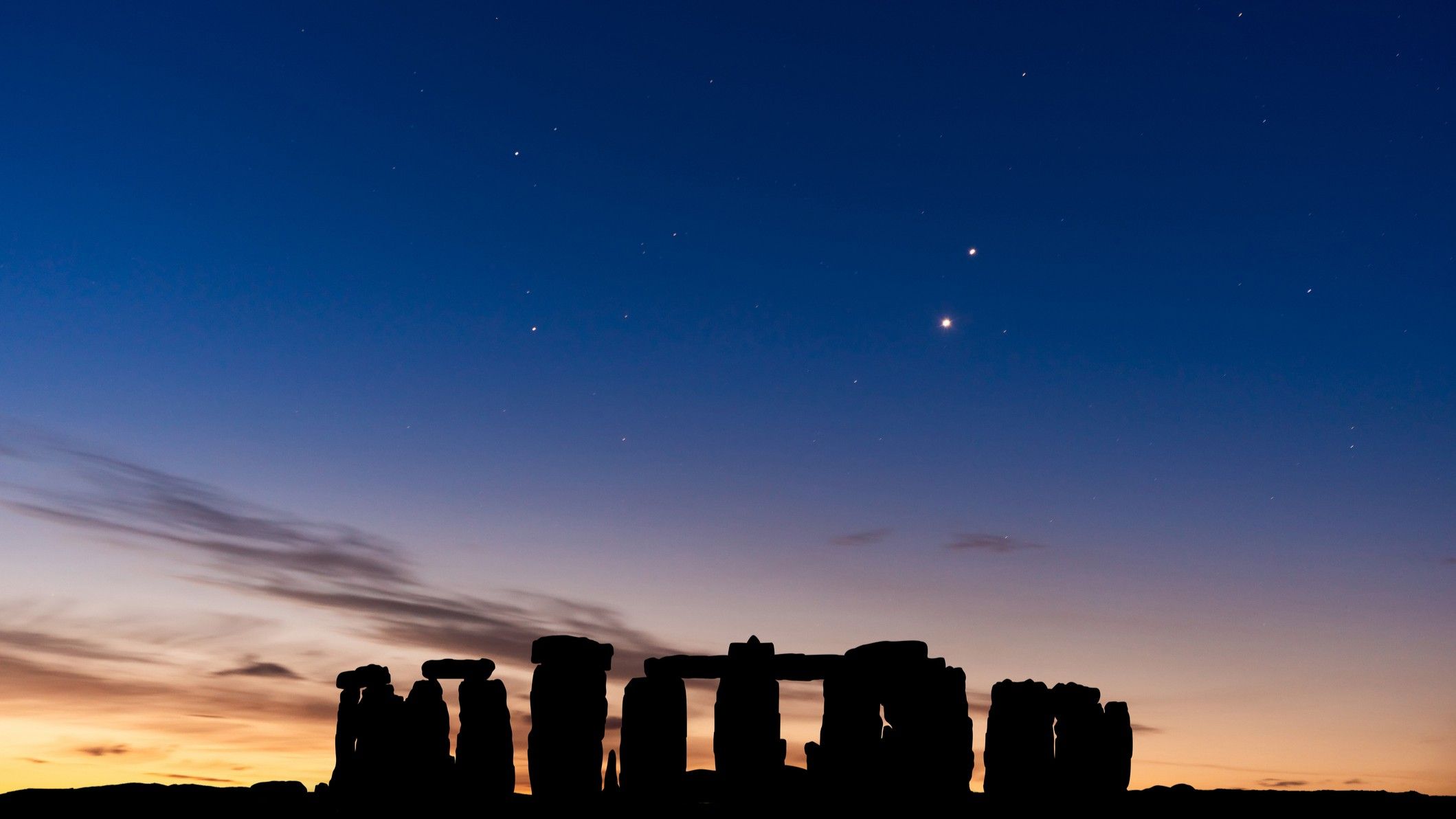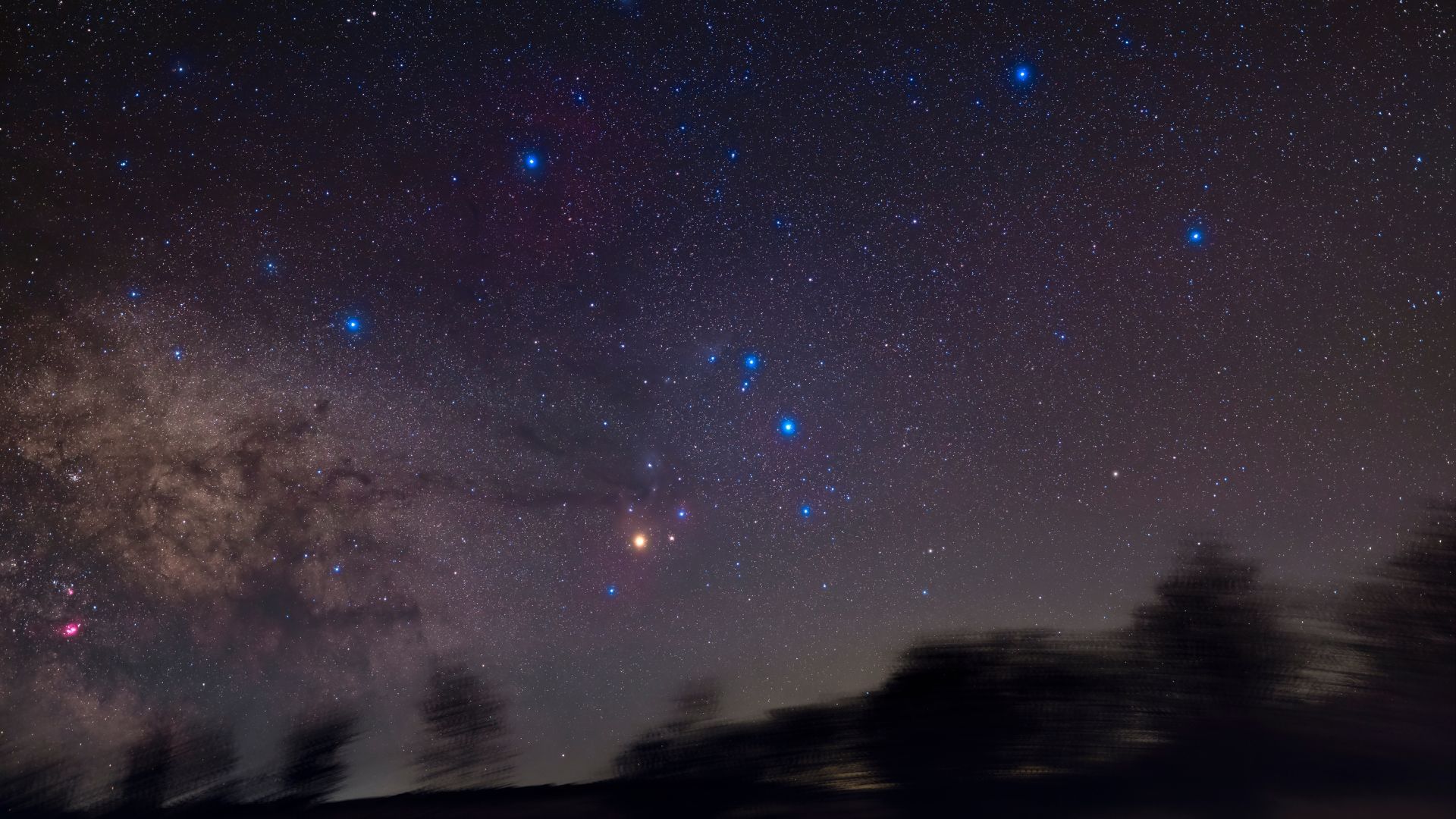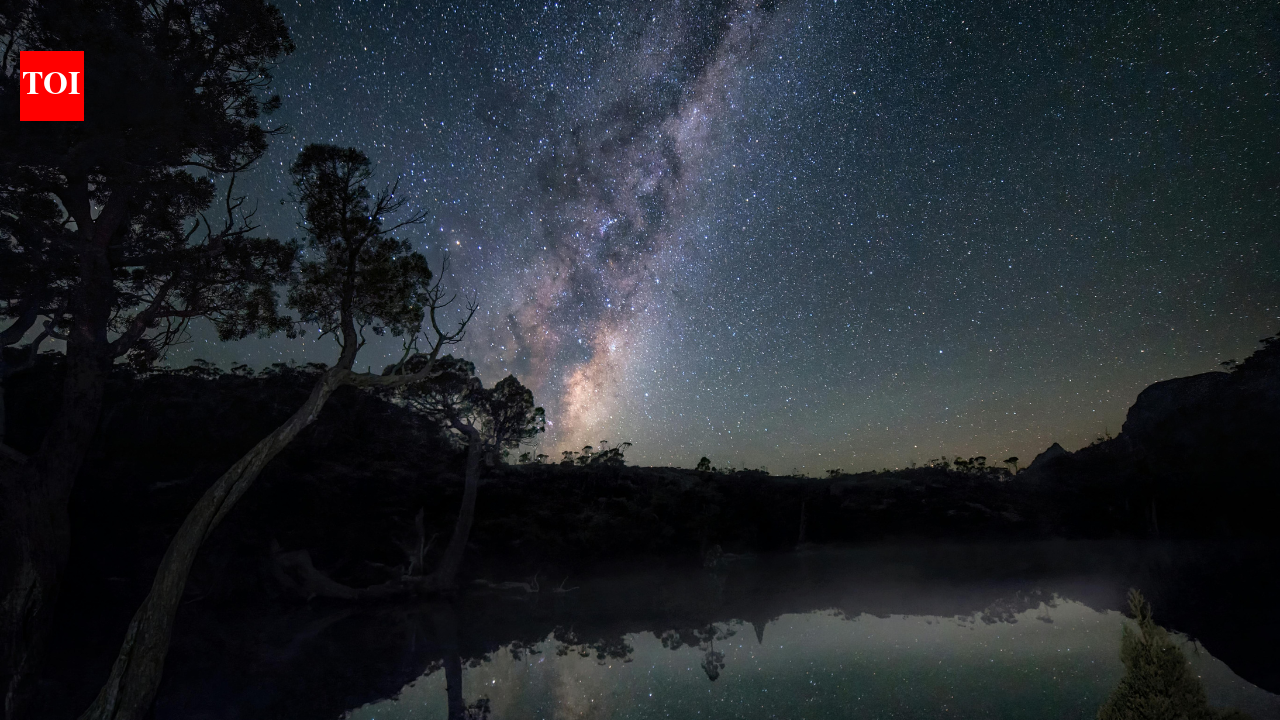
For a few precious months each year, the brightest and most photogenic region of the Milky Way rises high enough above the horizon to create one of nature's most spectacular night-time displays.
June marks the beginning of peak Milky Way season across much of the Northern Hemisphere, offering photographers their best opportunity to capture the galaxy's glowing core, dense star clouds and intricate dust lanes.
Yet photographing the Milky Way requires more than pointing a camera at the sky.
Success depends on timing, darkness, weather conditions, camera settings and thoughtful composition.
Whether you are using a professional mirrorless camera or a beginner DSLR, understanding how the galaxy moves across the sky can transform an ordinary night photograph into a striking image that reveals our place within the cosmos.Why June is one of the best months to photograph the Milky WayThe Milky Way is visible throughout the year, but the galaxy's central bulge, the brightest and most dramatic region for astrophotography, is only visible during specific months.According to the official observing guide from the National Aeronautics and Space Administration (NASA), the galactic centre becomes increasingly prominent during late spring and summer evenings in the Northern Hemisphere, making June one of the most favourable periods for observation and photography.As NASA explains:"The bright core of the Milky Way is visible in summer skies."The best results occur during the new moon period or when the Moon has set below the horizon.