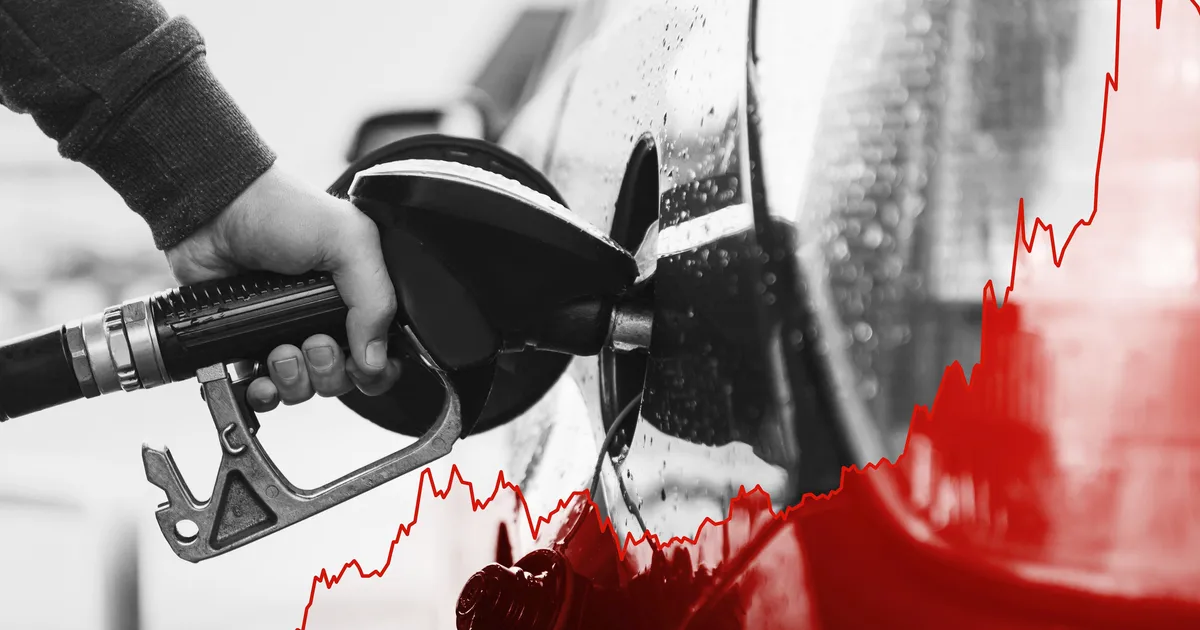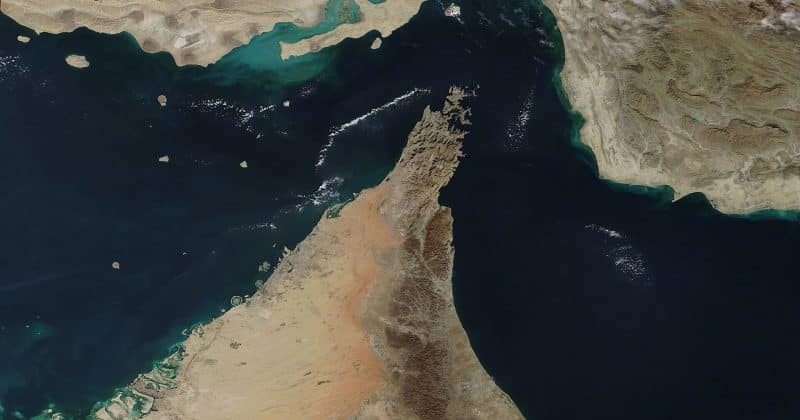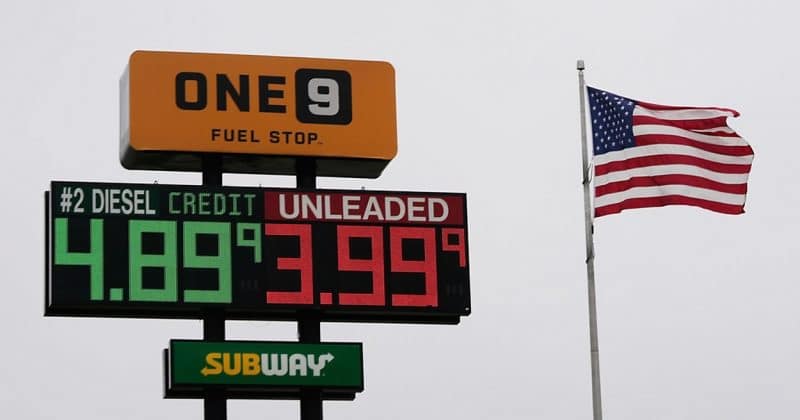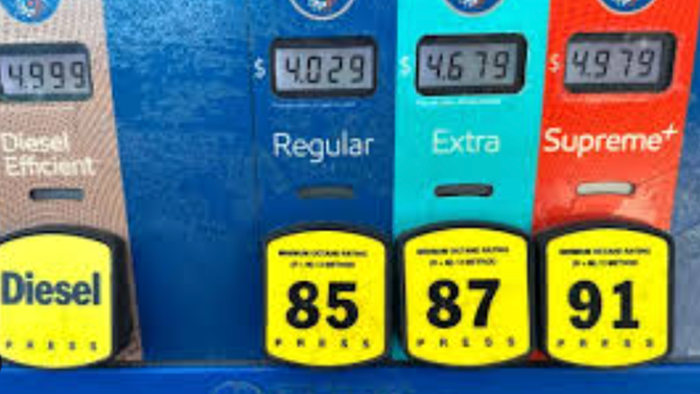
The national average for U.S. gasoline prices has hovered above the politically sensitive $4-per-gallon level for 76 days, or roughly 2.5 months, as the Gulf energy shock tightened physical markets and forced emergency SPR draws.But with President Trump declaring late Sunday, just 30 minutes before NY futures opened, that a US-Iran peace deal has been secured, and with WTI and Brent futures tumbling, pressure at the pump could begin to ease in the very near term.National gasoline prices could slip back below $4 in the coming days or weeks if the crude selloff holds and traders begin pricing in a reopening of the Strait of Hormuz. Still, normalization of crude energy flows will likely take months, if not longer, to return to pre-war levels.As of Sunday evening, AAA data show the national average for 87-octane gasoline stands at around $4.074.Patrick De Haan, a petroleum analyst at GasBuddy, wrote on X shortly after Trump announced the peace deal that the national average for gas could fall to $3.75 by July 4.De Haan wrote:The U.S. and Iran signaling a deal has been struck. The next few days will be key to see if the agreement sticks, and if traffic begins moving in the Strait. WTI crude down 5%, as more confirmations come in days ahead, national average price of gasoline may continue to fade.Beyond that, the national average could fall below $3.75/gal by July 4, under a optimistic timeline, but hurricane season could be a major wildcard for the rest of summer- tight global inventories mean it will take months or beyond to fully restore global oil inventories.The next several weeks will be key- one major slip up could impact greatly prices moving forward. And with so many speedbumps in this situation, it may be foolish to think this problem is now completely over. Time will tell.Surging gas and diesel prices over the last 2.5 months have added downward pressure on consumers, especially working-class households, who were hit with sticker shock at the pump. This shift in spending patterns is a concerning trend we have meticulously detailed:Here's What Happened Inside Convenience Stores When Gas Hit $4Here's What Happened Inside Gas Stations When Gas Hit $4Beer Demand Goes Flat As Even Alcoholics Pull Back With Gas Above $4Energy Drinks Become Latest Casualty As Fuel Shock Shifts Consumer BehaviorThree Factors Leave Salty-Snack Demand StaleThe combination of elevated gas prices and fading tax-refund tailwinds had already begun to expose cracks in the consumer economy, particularly among lower- and middle-income households. That likely served as a warning signal for the Trump administration: resolve the Middle East conflict before worsening consumer sentiment and pain at the pump become much larger political liabilities heading into the midterms.
Pump Pain Relief? Gas Above $4 May End Soon As U.S.-Iran Peace Deal Sends Oil Lower
"The next several weeks will be key - one major slip up could impact greatly prices moving forward. And with so many speedbumps in this situation..."
449 words~2 min read