Europe risks achieving technological autonomy while remaining strategically dependent
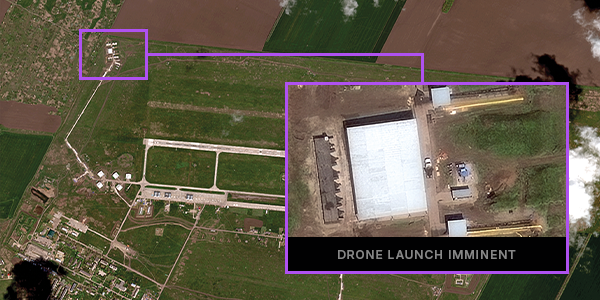
As Western intelligence allies became convinced of an imminent Russian invasion of Ukraine in late 2021, Washington took the unprecedented step of publicly disclosing intelligence regarding Moscow’s intentions so that Europe could prepare for war.
Then-CIA Director Bill Burns was not acting alone; surveillance of Russian force movements was impossible without Europe’s intelligence contribution. But it wasn’t Brussels that defined the strategic narrative – Europe’s strategic awareness in a major security crisis remained heavily shaped by American interpretation.
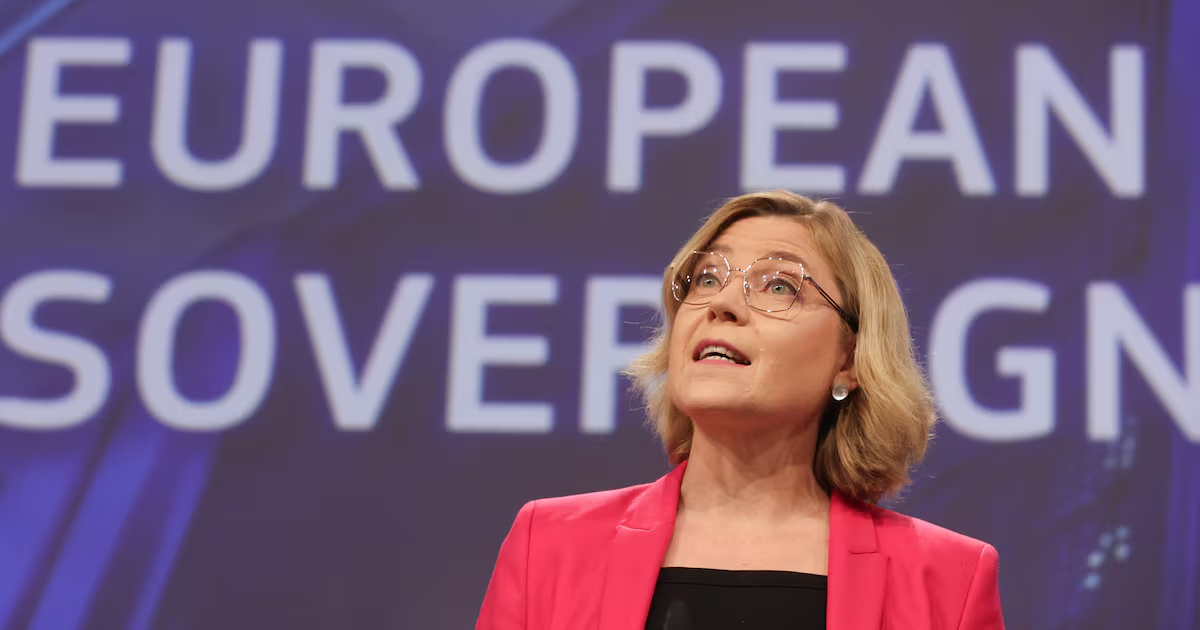
As Brussels publishes plans for digital sovereignty in its bid to remain a competitive and resilient power in the face of intensifying US-China competition, it risks a blind spot that conflates technological autonomy with sovereignty itself.
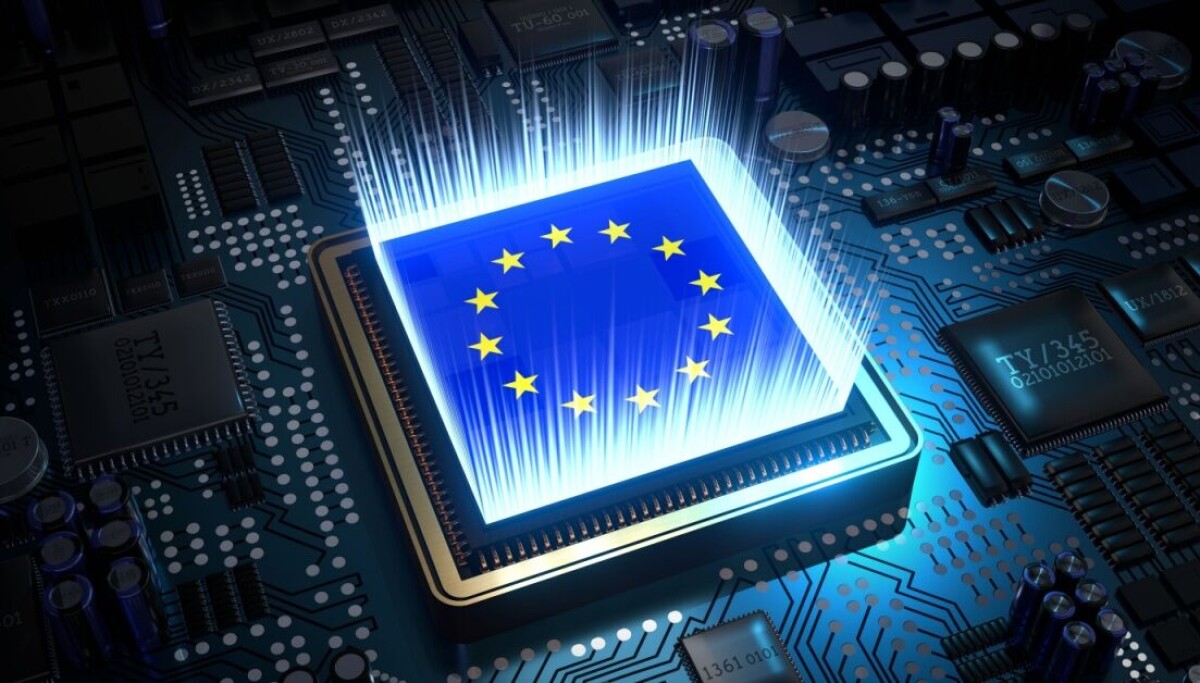
Europe is poised to invest billions in “assuring” sovereign supply chains, cloud infrastructure, frontier AI models, semiconductor production and digital regulation. Its focus is clear: infrastructure control and ownership, industrial capacity, and technological capability. But that is not the same as having the ability to interpret the resulting information environment for political decision-making, security, and strategic advantage. True sovereignty hangs in that balance.