From Vibe Coding to Spec-Driven Development: Tasking AI with Spec Kit
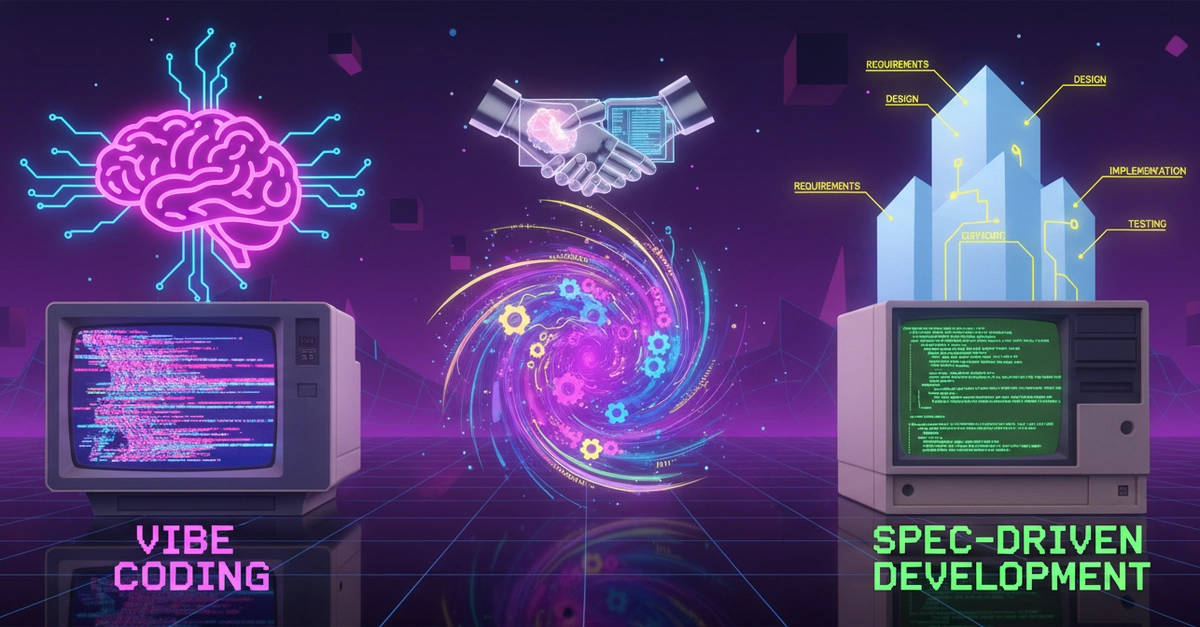
In the world of software development, especially in rapid prototyping or early-stage projects, we often encounter an approach we can call "vibe coding." This is the practice of writing code based more on our instincts, on-the-spot decisions, and a "it feels right" sensation, without a specific spec or documentation. While this approach might seem to offer rapid progress initially, it can lead to serious problems as the project scales or the team size increases. The code becomes difficult to understand, unexpected bugs emerge, and worst of all, this ambiguity prevents the efficient use of AI (Artificial Intelligence) tools.
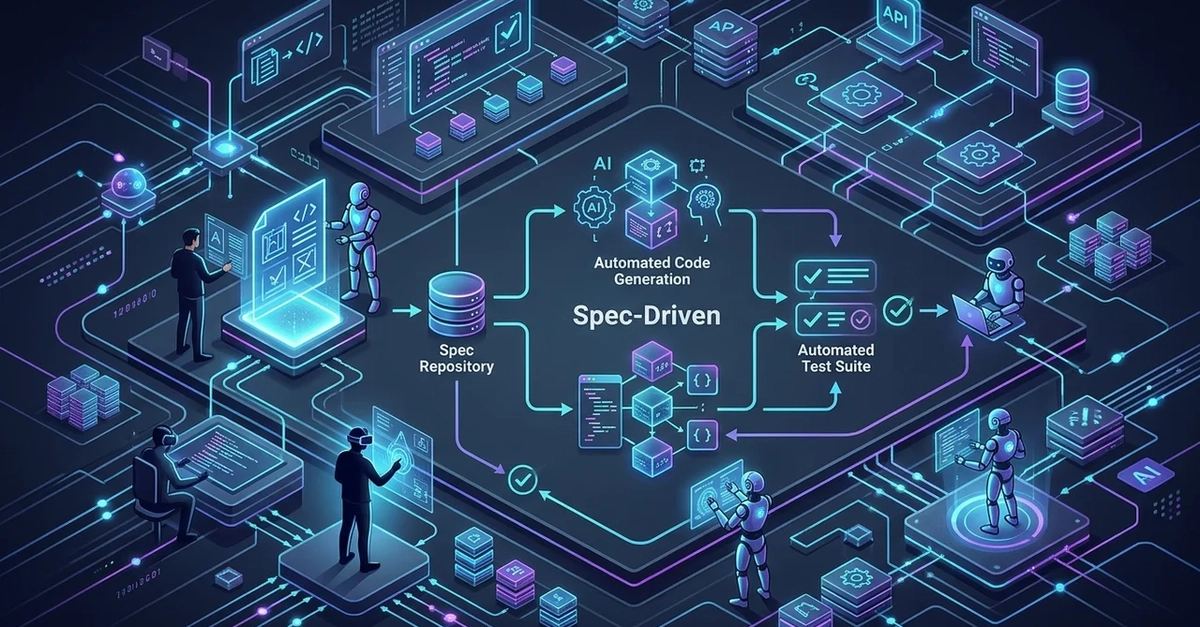
Recently, the capabilities of AI models have been increasing at an incredible pace. With techniques like prompt engineering and RAG (Retrieval-Augmented Generation), we can ask AI to perform specific tasks. However, AI also needs an "understanding" similar to ours. If we cannot fully define what a task is, how can we tell AI what it needs to do? This is precisely where Spec-Driven Development (SSD) and tools like Spec Kit come into play. In this article, we will delve into practical ways to move beyond "vibe coding" and task AI using Spec Kit.