By Eric BoodmanJune 15, 2026
For this story, Boodman obtained email chains between Pfizer and health officials and conducted interviews with 10 state health departments, eight local health agencies, six health system pharmacists, and former and current CDC officials, as well as infectious disease specialists, OB-GYNs, and representatives of Pfizer and Cost Plus Drugs, among other sources.
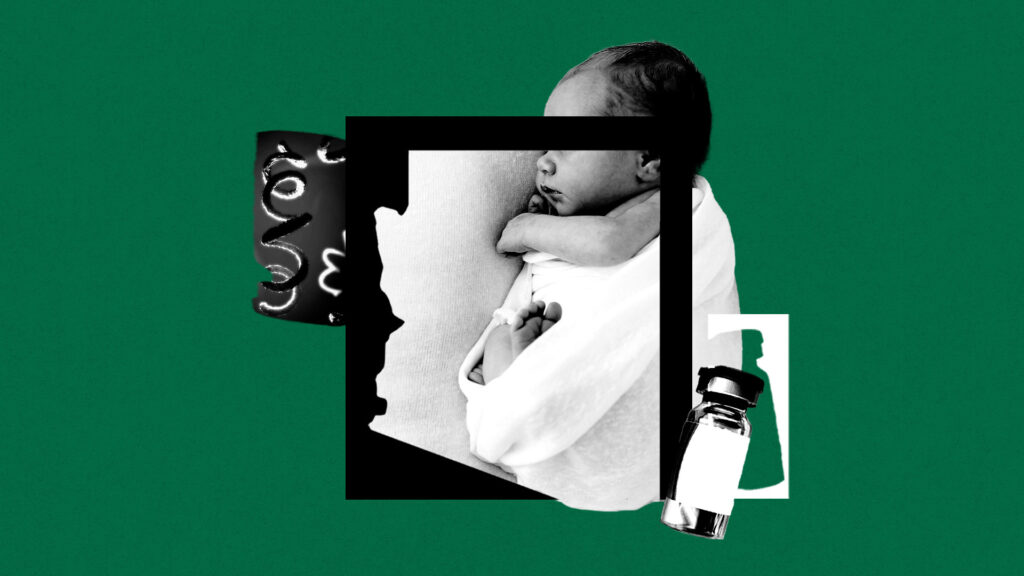
The request was an emergency. In late March, a woman in Gila County, Arizona, was diagnosed with syphilis, and she was pregnant. She needed an injection of penicillin — if possible, 30 days before delivery — but the bacteria corkscrewing through her body increased her risk of delivering early. Without timely treatment, her pregnancy could end in miscarriage, stillbirth, or infant death, and if the infant survived, the child might live with bone deformities, brain damage, blindness, and deafness, among other complications.
All of that could be prevented with one of the oldest antibiotics in the book — specifically, an injectable form of penicillin sold under the brand name Bicillin L-A.
It was the only treatment approved in the United States for syphilis during pregnancy, and there’d been a national shortage since July 2025. But Pfizer, the only company that sells it, had a protocol in place for exactly this scenario: an emergency request system “to be used for confirmed congenital and risk of congenital syphilis patients only.”