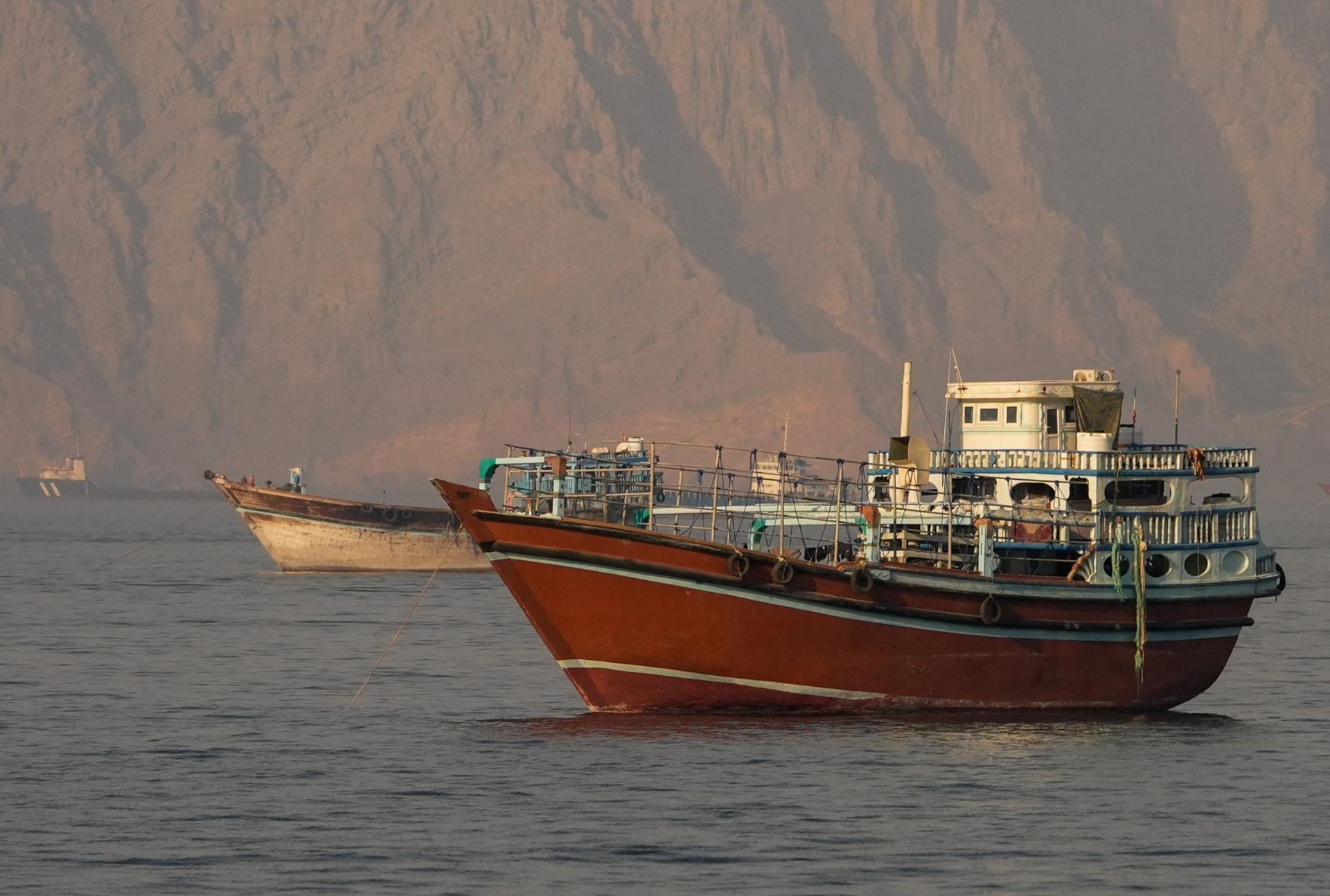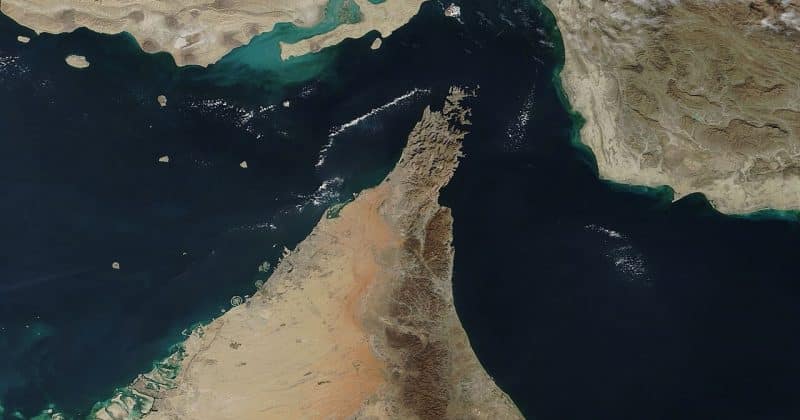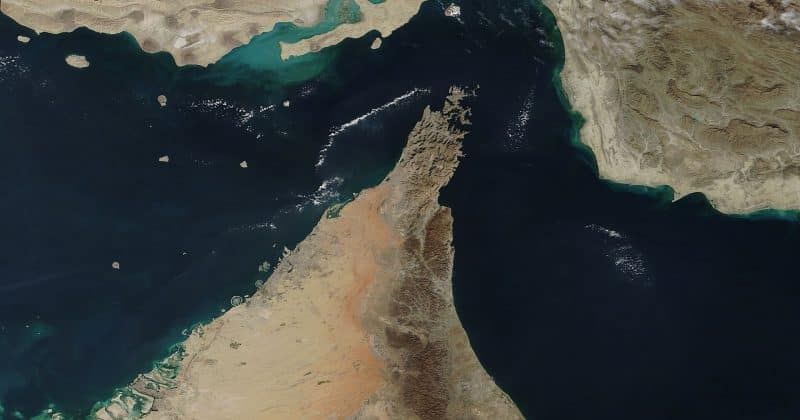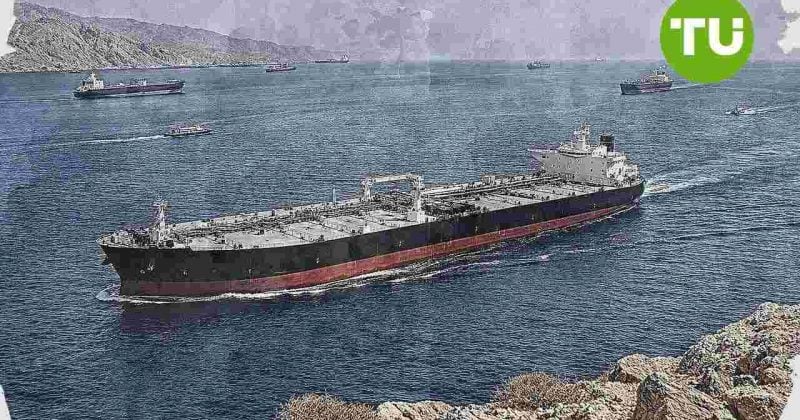
Kuwait’s foreign ministry has formally endorsed the US-Iran memorandum of understanding announced on June 14, 2026, joining a growing list of nations backing a deal designed to end hostilities and reopen the Strait of Hormuz to commercial traffic. The agreement, if implemented, would remove the tolls and blockades that have choked one of the world’s most critical shipping lanes since conflict erupted in February 2026.
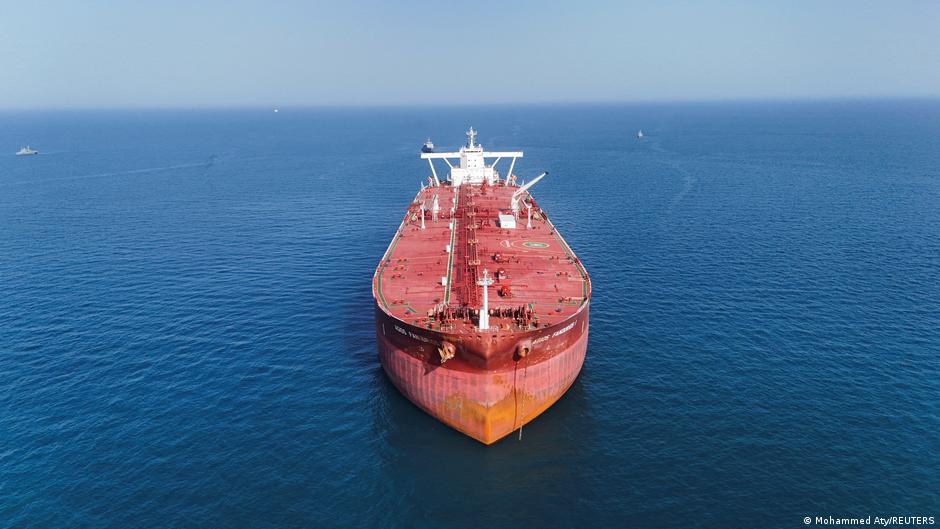
Roughly 20% of global oil and gas transits the Strait of Hormuz. When that chokepoint gets squeezed, energy prices spike, risk appetite evaporates, and everything from equities to Bitcoin feels the downstream pressure.
What the deal actually says
The MOU establishes a 60-day interim framework meant to facilitate broader nuclear negotiations between Washington and Tehran. In exchange for compliance, Iran would receive sanctions relief.
The most immediate provision is the reopening of the Strait of Hormuz to commercial shipping without tolls or blockades. In the months leading up to the agreement, Iran-linked entities had attempted to impose cryptocurrency-based tolls on vessels transiting the strait, reportedly demanding around $1 per barrel for safe passage. The US responded with sanctions on wallets tied to those entities, and the MOU now explicitly prohibits the practice.