Zimbabwe has introduced its first dedicated cryptocurrency regulations, marking a significant policy shift for a country that once pushed digital asset activity to the fringes of the financial system as authorities struggled to contain alternative stores of value amid recurring currency instability.
Under new rules announced by Finance Minister Mthuli Ncube, businesses involved in buying, selling, transferring or safeguarding virtual assets must register with the Financial Intelligence Unit (FIU), Zimbabwe’s anti-money laundering agency.
Operators will pay an annual registration fee of $500, while unregistered activity could attract criminal penalties.
The move signals a dramatic change in approach from a government that previously treated cryptocurrencies with caution.
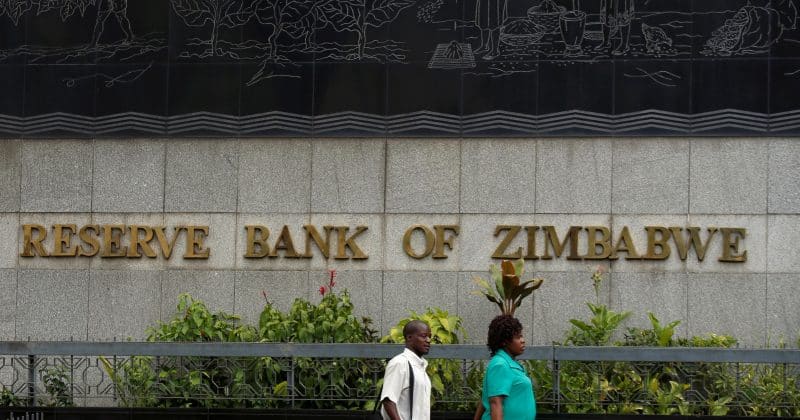
In 2018, Zimbabwe’s central bank directed financial institutions to stop facilitating cryptocurrency transactions, effectively cutting off exchanges from the banking system and forcing much of the sector into informal channels.