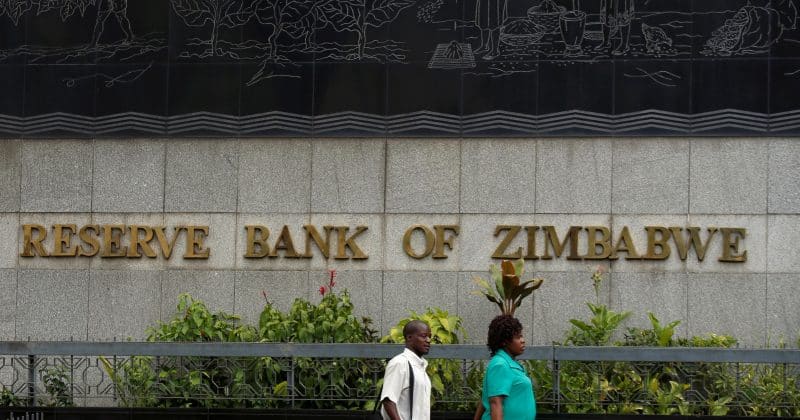
Zimbabwe has rolled out its first dedicated rules for cryptocurrency, which require firms that deal in crypto assets to register with the central bank's financial intelligence arm or face potential prosecution, Reuters reported Friday.
Under regulations signed by Finance Minister Mthuli Ncube, companies that buy, sell, transfer or safeguard crypto assets must register annually with the Financial Intelligence Unit, the anti-money laundering body housed inside the Reserve Bank of Zimbabwe. Initial registration costs $500, with renewal costing $400.
Zimbabwe first barred banks and other financial institutions from handling crypto in 2018, which pushed trading onto peer-to-peer platforms and social media. The new rules appear to leave that prohibition in place, instead building a registration channel around the informal market the ban spawned.
Crypto demand in Zimbabwe has its roots in the country's monetary history. Hyperinflation in the late 2000s wiped out savings and pensions, and repeated currency changes drained trust in the banking system, leaving many Zimbabweans to hold Bitcoin and other tokens as a store of value and a way to move money outside formal channels, per Reuters. Remittances have deepened that reliance, with banks the costliest way to send money home for those in Sub-Saharan Africa, according to World Bank data.