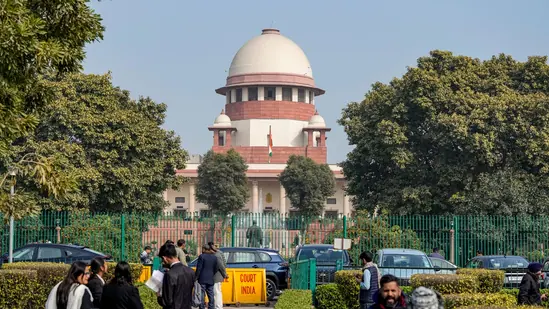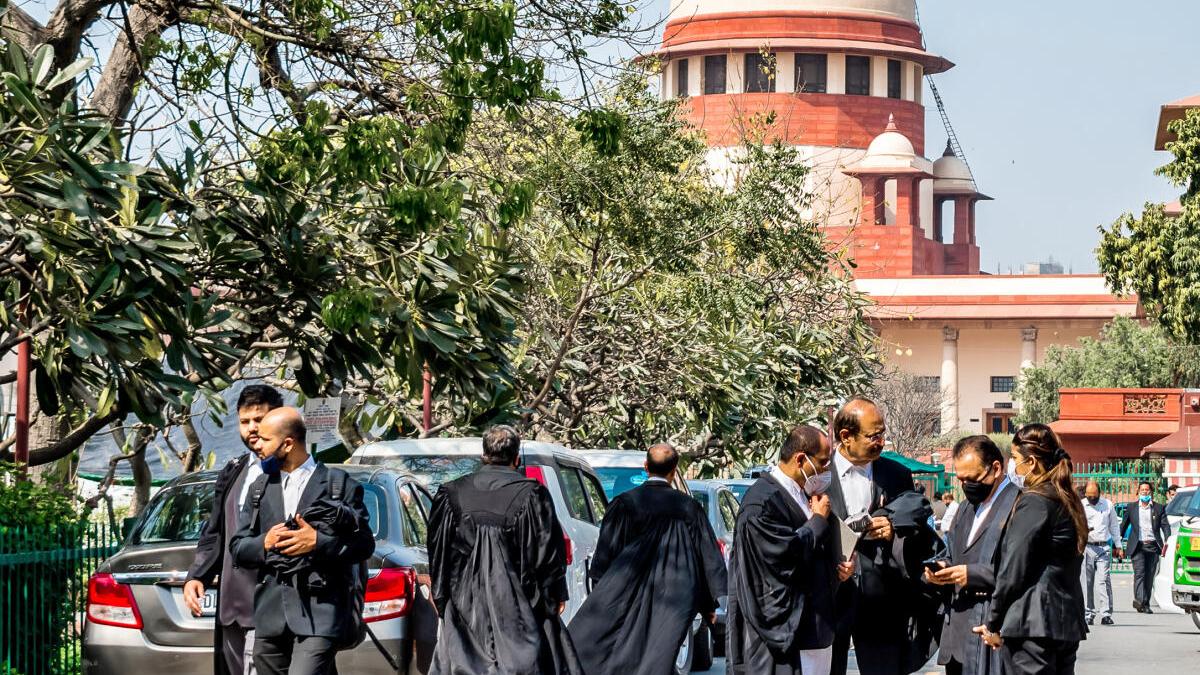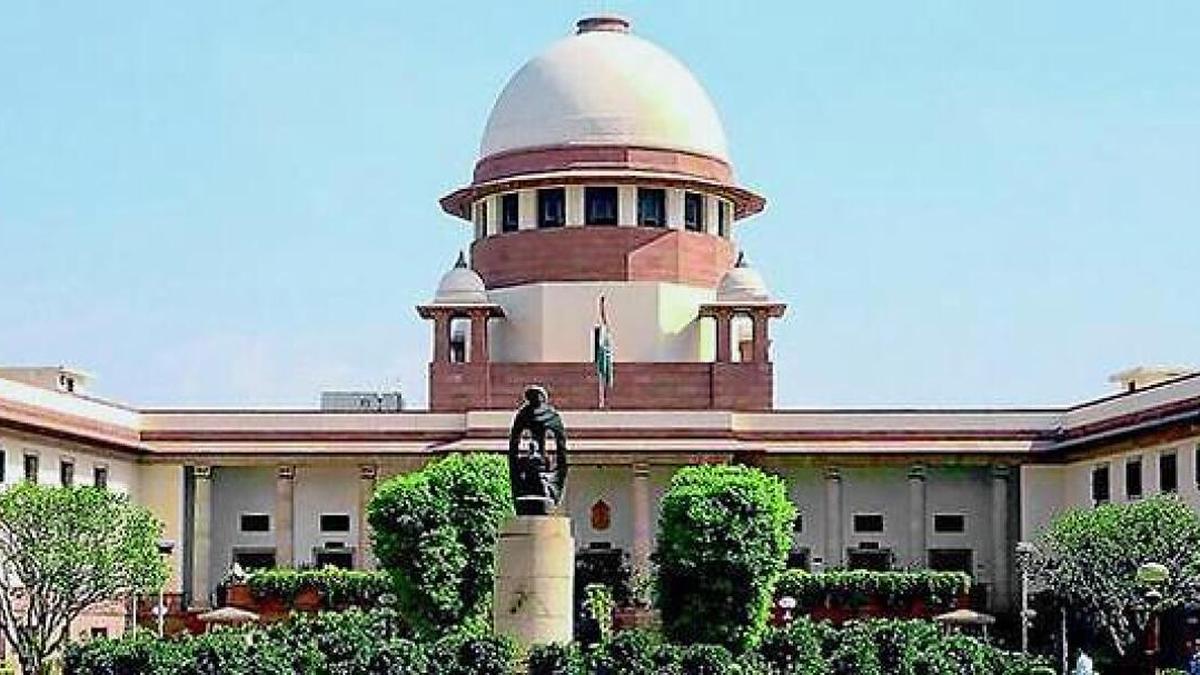
The SC AI committee has invited comments and suggestions from stakeholders as well as members of the public on the draft regulations before they are finalised. | Photo: S. Subramanium
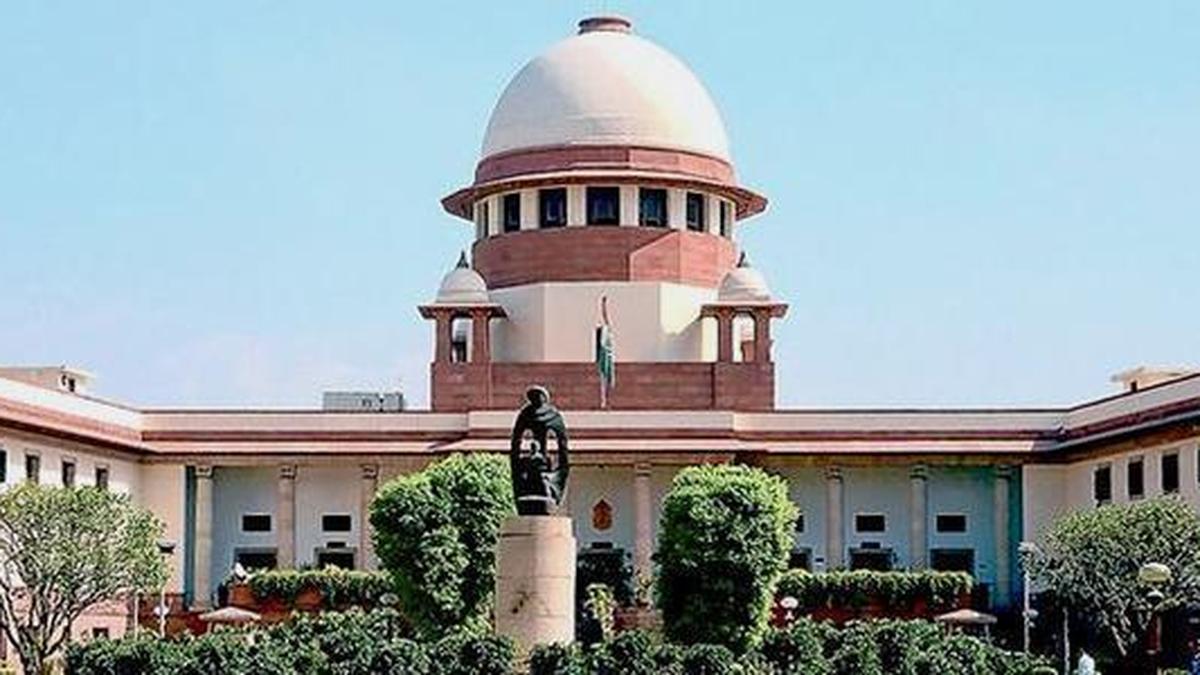
The Supreme Court AI committee has proposed draft regulations that bar AI-assisted sentencing without mandatory human oversight, prevent AI systems from profiling parties or witnesses, and disallow the use of “opaque” or “unexplainable” AI systems in any court process. This is the first time SC has officially codified how AI will be used in courts, and hence its impact on law education is yet to unfold.The preliminary draft of the ‘Regulations for Use of Artificial Intelligence (AI) in Courts, 2026’, made public on Wednesday (June 3, 2026), underlines that AI systems used in court processes must “function solely in an assistive capacity” and remain “strictly subservient to human judgment and judicial authority”.
Register now for free to ask questions and interact with the panellists. The three best questions will receive a free online subscription to The Hindu.
The proposed regulations come amid concerns expressed by the top court in recent months over the growing reliance on AI by courts in rendering judgments. In March, a Bench headed by Justice P.S. Narasimha chided a trial court for relying on non-existent judgments generated with the help of AI, observing that it was not merely “an error in decision-making” but amounted to judicial “misconduct”.The SC AI committee has invited comments and suggestions from stakeholders as well as members of the public on the draft regulations before they are finalised.To discuss this topic, The Hindu will host a webinar titled, ‘The AI syllabus in legal education’, on June 20, 2026 at 5:00 p.m. The webinar will be moderated by M. Kalyanaraman, who heads the education vertical at The Hindu, along with Aaratrika Bhaumik, Senior Reporter, The Hindu.Register now for free to ask questions and interact with the panellists. The three best questions will receive a free online subscription to The Hindu.PanellistsKrishna Deo Singh Chauhan, Associate Professor, Jindal Global Law SchoolKrishna Deo Singh Chauhan is an Associate Professor at Jindal Global Law School and Associate Director at the Cyril Shroff Centre for AI Law and Regulation. He has contributed to scholarship in law and technology, generative AI regulation, AI-generated persuasion, informational privacy, and the mechanics of AI governance, with publications in the International Review of Law, Computers & Technology, Global Jurist, and the Journal of Development Policy and Practice, among others. He has been involved in institution-building and policy-facing work through stakeholder consultations on AI regulation and capacity-building lectures. He was also a member of the Jean Monnet Chair established by the European Union at O.P. Jindal Global University.Sarthak Das, Final-year law student, GLC, MumbaiSarthak Das is a final-year law student at Government Law College, Mumbai. He served as the Chief Editor of the 93rd and 94th annual editions of méLAWnge, one of India’s oldest collegiate magazines, for which he also authored an article examining the intersection of artificial intelligence and copyright law. Graduating in the top 5% of his batch, Sarthak will be joining one of India’s leading full-service law firms as an Associate later this year.Ashish Bharadwaj, Pro Vice Chancellor, WPU GoaProfessor Ashish Bharadwaj is the Pro Vice Chancellor of WPU Goa. He is a widely published scholar on intellectual property policy and technological innovation in India. Previously, he served as Founding Dean at BITS Pilani’s Mumbai Campus and Dean at O.P. Jindal Global University. He holds a Ph.D. from the Max Planck Institute for Innovation & Competition in Munich, and LLM from Erasmus University Rotterdam and Manchester University. He is a writer in tech law and policy, and has an invited fortnightly column in the Hindustan Times on contemporary socio-legal issues.(For any feedback or suggestions, reach out to us at education@thehindu.co.in) Published - June 15, 2026 01:28 pm IST