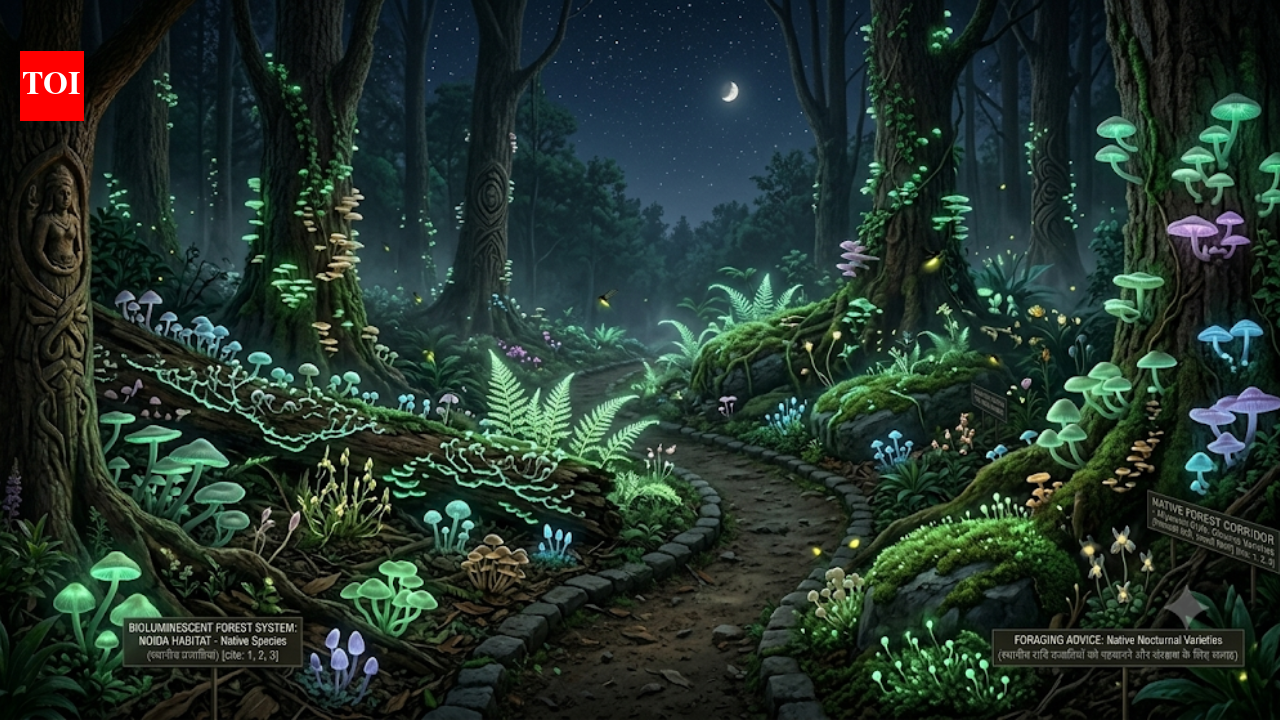
For centuries, plants have been associated with daylight, photosynthesis and the natural rhythms of the Sun.
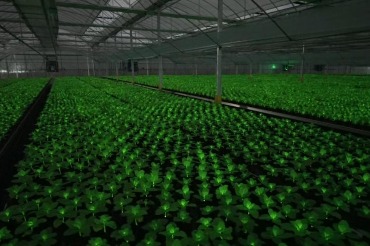
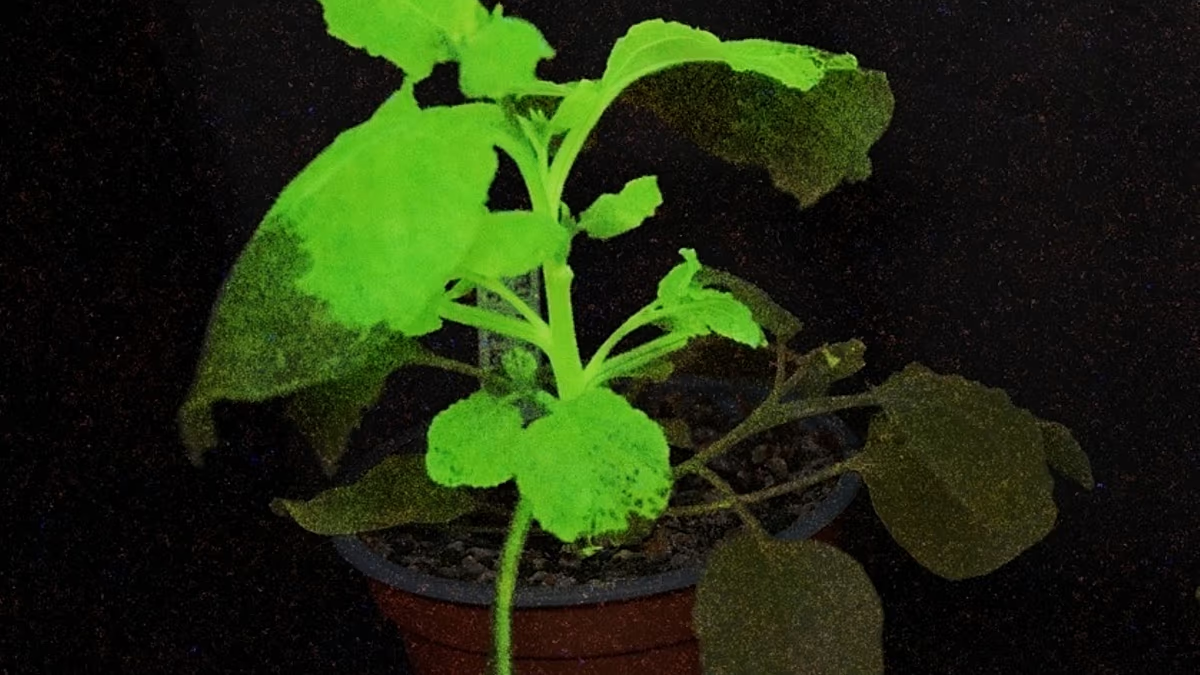
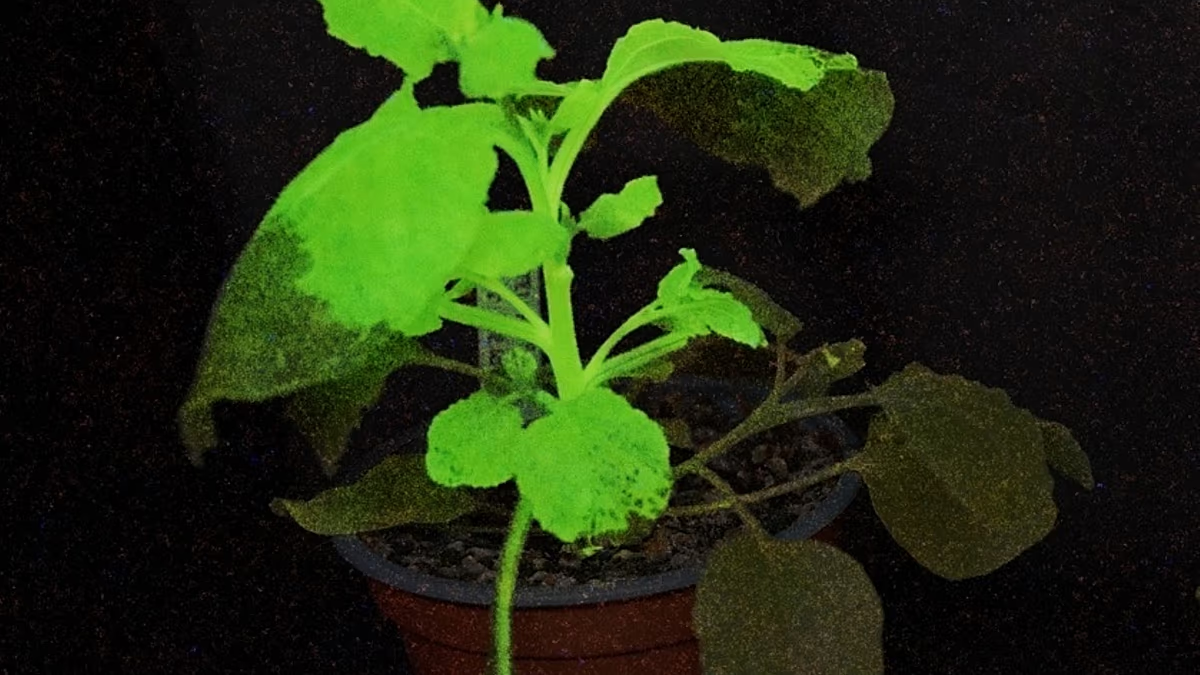
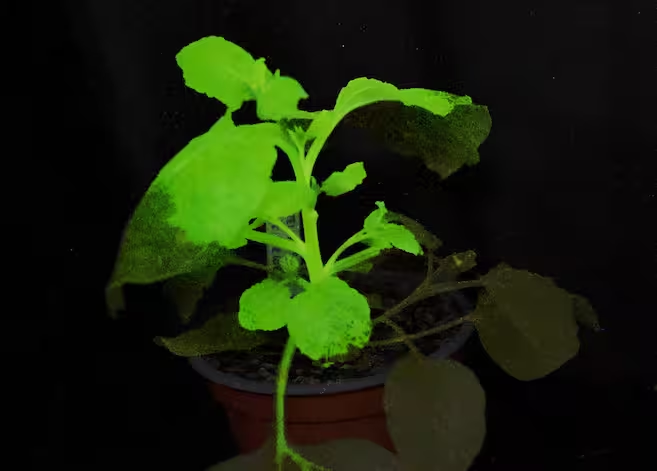
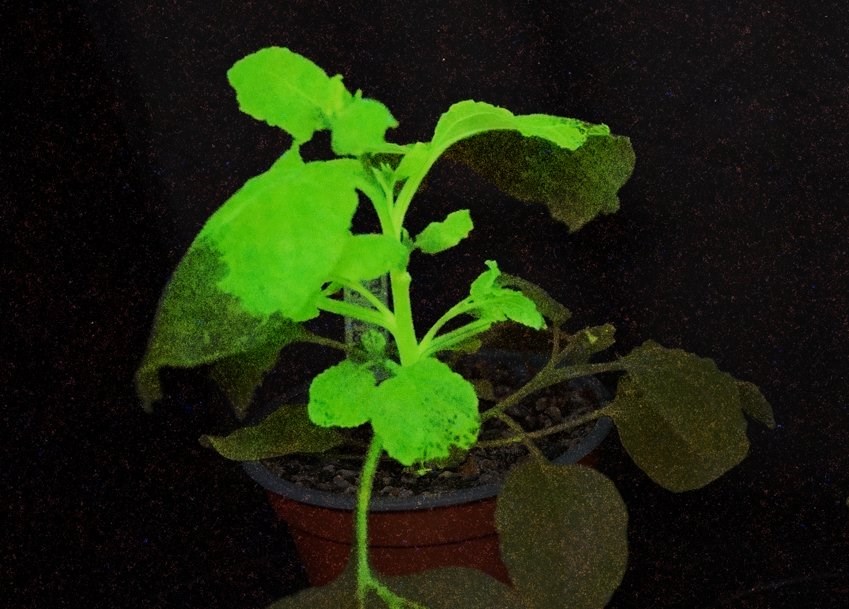
Now, researchers in China have taken a step that seems drawn from science fiction by creating plants capable of glowing after dark.
It involves complex technologies such as biotechnology, material sciences, and plant engineering, and this is used to create living beings that glow in the absence of any artificial source of electricity.
Although glowing jungles like those of planet Pandora in the movie 'Avatar' may be fictitious, bioluminescent landscapes are getting closer to reality.
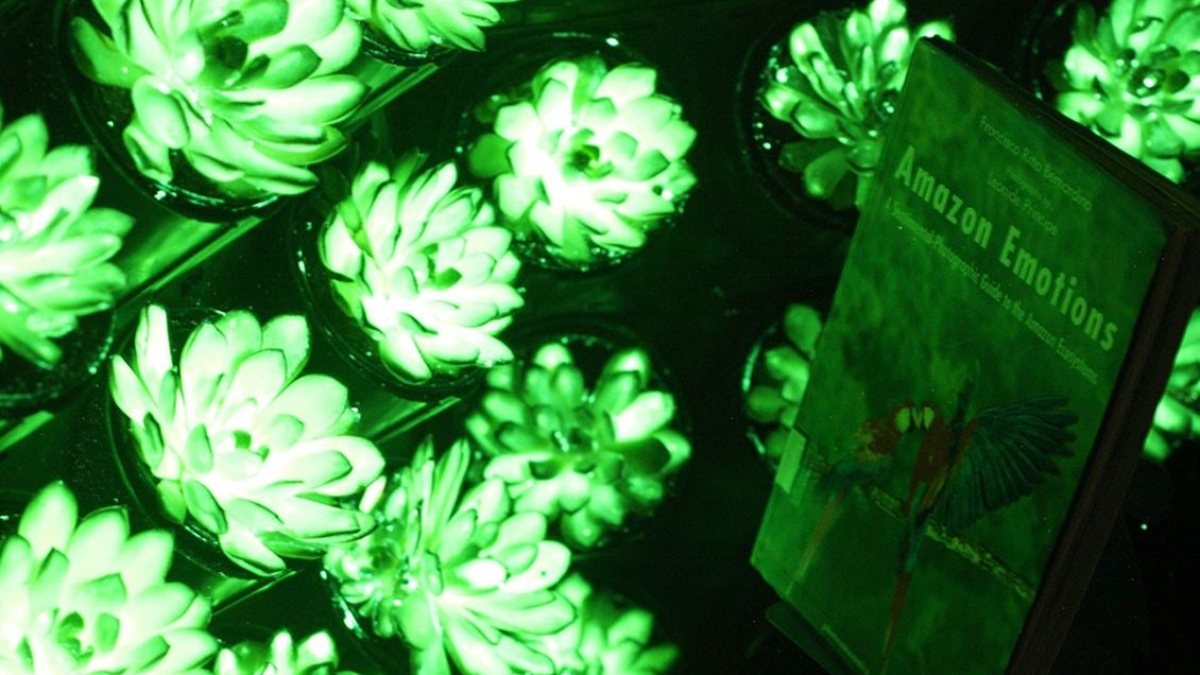
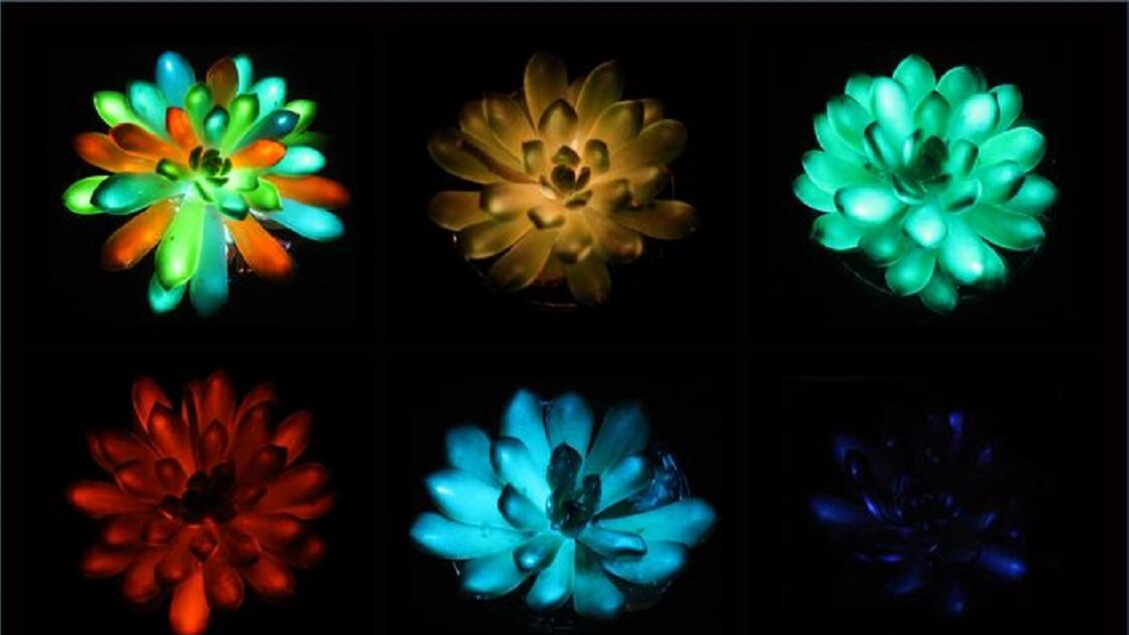
From genetically engineered flowers to rechargeable luminescent succulents, these innovations are opening new possibilities for sustainable lighting, urban design and environmental technology while raising important questions about the future role of living infrastructure in modern cities.How Chinese scientists engineered plants that glow without electricityOne of the most ambitious efforts has been led by Chinese biotechnology researchers who introduced bioluminescent pathways derived from fireflies and naturally luminous fungi into plant cells, they have engineered plants that glow autonomously by integrating a specific Fungal Bioluminescence Pathway (FBP) into the plants' own metabolic systems.