Korea Herald
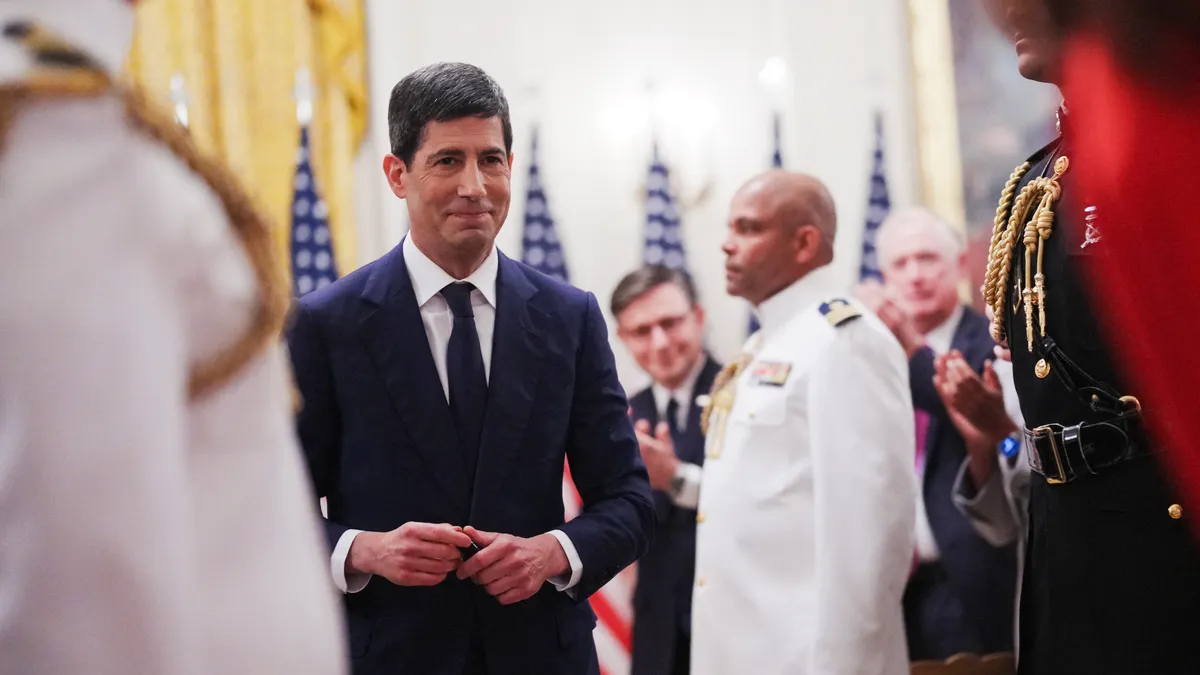
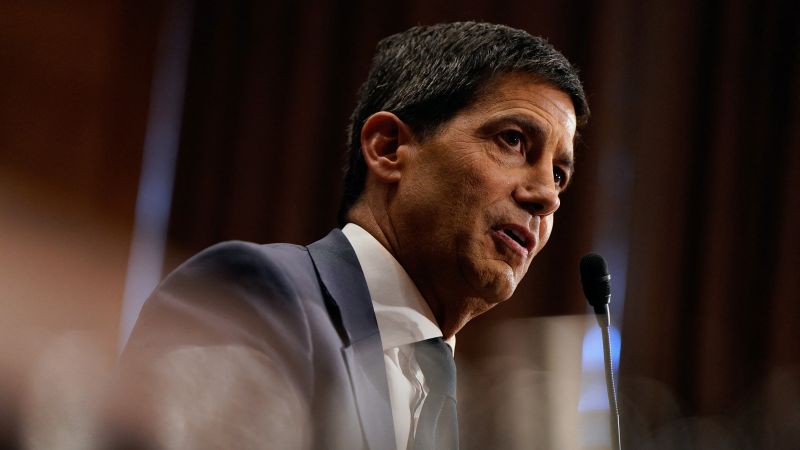
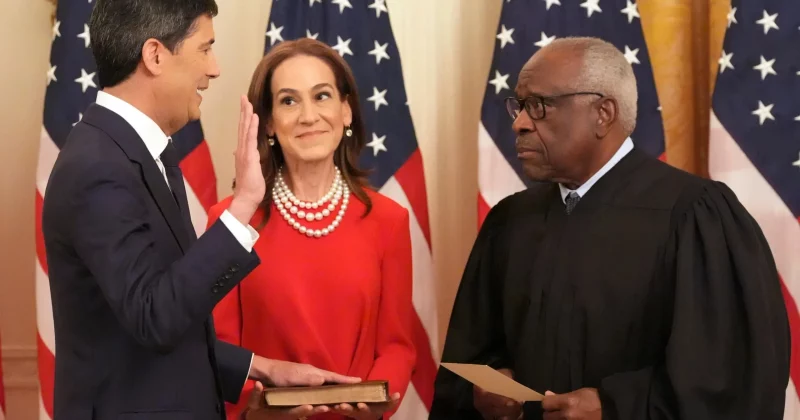
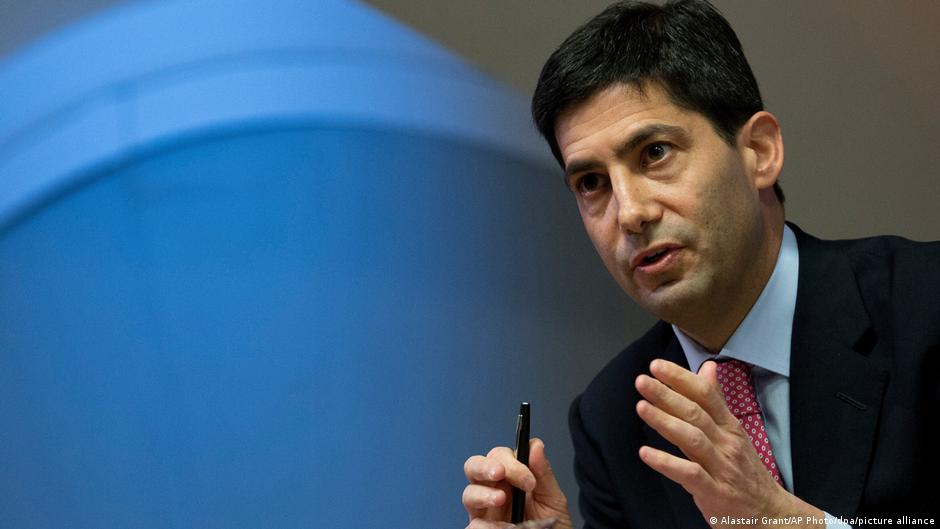
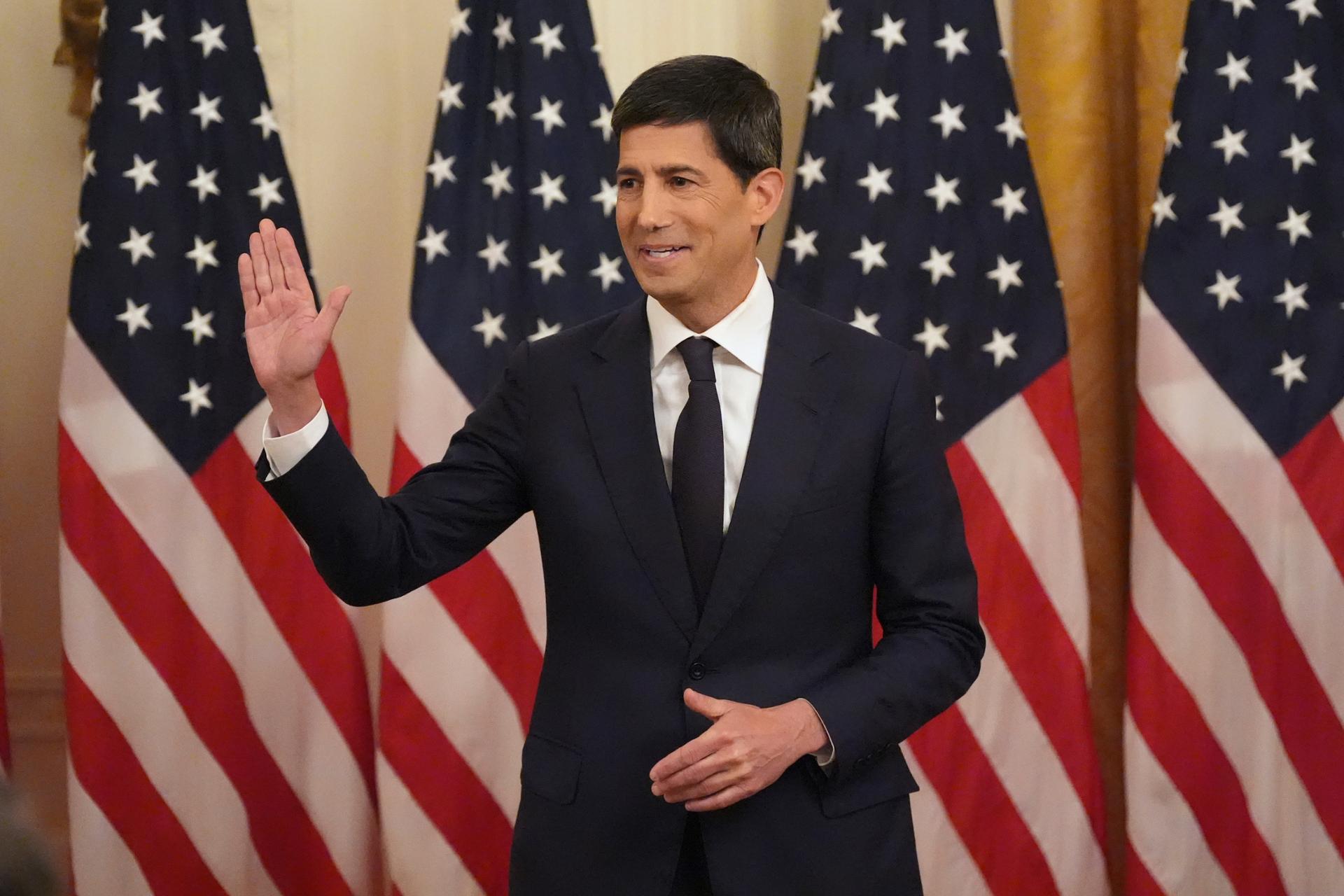
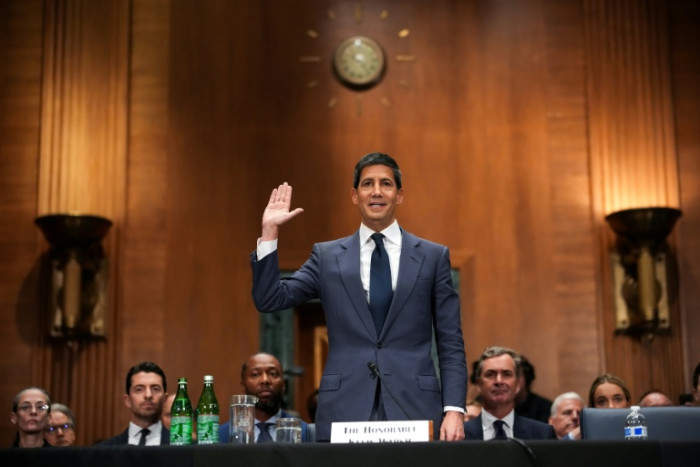
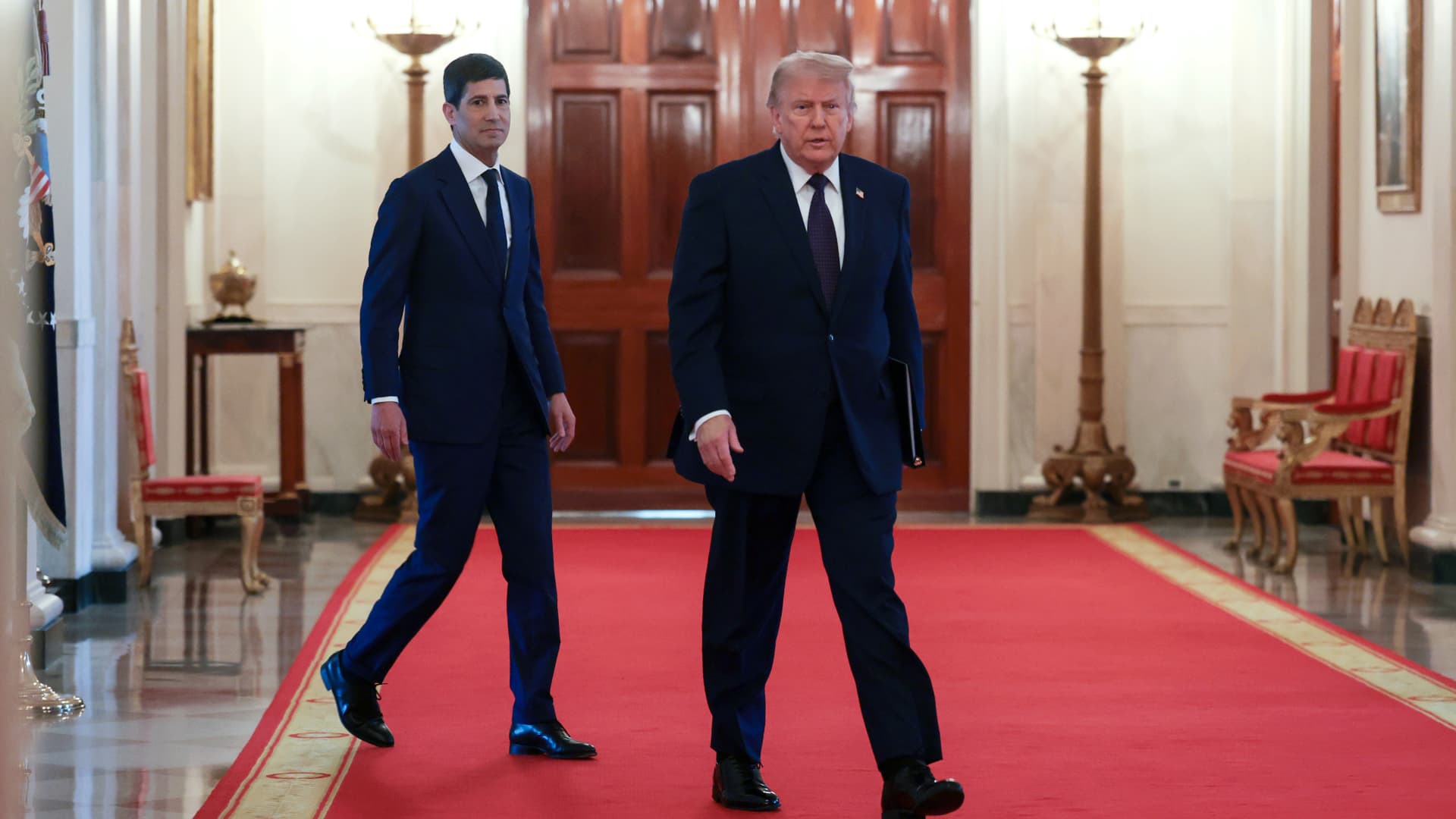
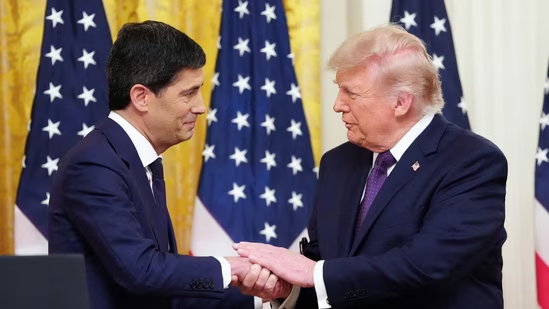
GIANLUCA BENIGNO On June 16 and 17, Kevin Warsh will lead his first meeting as Chairman of the Federal Reserve. President Trump finally has the central banker he spent the better part of a year pursuing, confirmed in May by the narrowest Senate vote any Fed chair has ever received, 54 to 45. And the first thing the new chair will almost certainly do is disappoint the man who appointed him. He will not cut interest rates.That is not defiance. It is what the data now require.When Trump chose Warsh in January, the case for easing looked respectable. Headline inflation had drifted down to 2.4 percent, the disinflation of 2025 seemed to be completing itself, and a president who had campaigned on cheaper borrowing could reasonably expect lower rates. Then the Middle-East conflict sent oil prices soaring.By April, with gasoline back above $4 a gallon for the first time in three years, both consumer prices and the Fed’s preferred PCE index were rising at 3.8 percent, the fastest pace in nearly three years. More worryingly, the underlying reading rose too, with core PCE reaching 3.3 percent. The volatile measure and the supposedly steadier one were moving in the same, uncomfortable direction.The labor market gives Warsh little cover. Hiring has cooled, but unemployment remains low and the economy is not shrinking. There is no labor-market emergency strong enough to outweigh the renewed inflation risk. 0924_사설 Markets have adjusted to the shift. At the start of the year, futures were priced for cuts in the federal funds rate. They now point in the opposite direction: a hold this week, and a better-than-even chance of a rate increase by December.None of this has eased the pressure from the White House. The president still expects lower rates once his chair is in place. The gap between that expectation and what the committee is likely to deliver is the central tension running through Warsh’s first meeting.This is what central-bank independence looks like in practice: the discipline of a committee weighing the data in front of it.One vote among twelveThis is where the institutional mechanics of the Fed matter. A chair has enormous influence, but rate decisions are not made by the chair alone. They are made through the Federal Open Market Committee, where persuasion matters as much as authority.Nineteen policymakers take part in the discussion, but only twelve vote on rates: the seven governors in Washington, the president of the New York Fed, who votes permanently, and four of the other eleven regional presidents, who rotate each January. This year’s rotation was not kind to the White House. Three of the four incoming regional voters (Lorie Logan of Dallas, Beth Hammack of Cleveland and Neel Kashkari of Minneapolis) are inflation hawks. All three dissented against the easing language in the Fed’s April statement, at Powell’s final meeting as chair. That meeting produced dissents in both directions at once, suggesting a committee already pulling apart before its new leader arrived.As Senator John Kennedy put it to Warsh at his hearing, anyone who thinks a president can install a chair who “unilaterally” controls the Fed will be disappointed. A chair has to persuade eleven other people. The Fed is a consensus institution. 0924_사설 Warsh is unlikely to be outvoted in the formal sense. Modern Fed chairs almost never are. They usually know where the committee stands before the decision is made, and they avoid forcing choices they cannot carry. But the more important question is not whether Warsh can win the vote. It is whether he can win the argument.On that test, his first meeting already looks difficult. Warsh did not arrive without a case for lower rates. He arrived with three possible routes: a productivity story, an inflation-measurement story, and a balance-sheet story. In the past few weeks, each has become harder to use.Three roads, all narrowingThe first route is artificial intelligence. Warsh has described AI as the most productivity-enhancing wave of our lifetimes: structurally disinflationary, capable of lifting the economy’s potential, and therefore opening some room to ease policy. But even he does not treat that as a certainty. The supply-side boost “could be considerably bigger,” he conceded at his hearing, but “we don’t know that, we can’t bank on that.”His colleagues have been more direct. Jerome Powell observed in March that the data-center build-out is “probably pushing inflation up” in the near term and may raise the neutral rate rather than lower it. Governor Lisa Cook warned in late May that “another shock to prices could be layered on from the heightened investment demand due to AI,” citing roughly $1.5 trillion in announced projects. St. Louis Fed president Alberto Musalem put the point most bluntly: it is “risky to rely on the prospect of higher productivity growth in the future to solve our inflation problem today.”That is the problem for Warsh. The productivity dividend may be real, but it is not yet visible enough to justify a rate cut. The costs of the build-out, by contrast, are already showing up in demand for electricity, equipment and construction. Warsh himself accepts that AI investment adds to demand in the near term, even if only by a few tenths of a percentage point. The logic of his argument may still be right. The timing is what is problematic for him: the inflation arrives first, the productivity later.The second route is measurement. Warsh is skeptical of both headline inflation and the conventional core measure, which strips out food and energy. He prefers trimmed measures, which remove the most extreme price moves each month and focus on the middle of the distribution. “We don’t have to do a rough swag anymore,” he told the Senate.At first glance, that helps him. The Dallas Fed’s trimmed-mean PCE was 2.3 percent in April, close to target, even as headline inflation reached 3.8 percent. But the comfort is fragile. Days before his first meeting, Lorie Logan, the president of the Dallas Fed, the institution that produces the gauge, warned that its recent low readings may be misleading. An unusual mix of rising and falling prices, she argued, is causing the measure to trim away too many genuine increases. Other measures of underlying inflation, she noted, are running near or above 3 percent.In short, the gauge that would give him most cover for easing is being questioned by the very institution that builds it.The third route is subtler, and perhaps the most distinctive part of Warsh’s thinking. He argues that the Fed has two main tools, interest rates and the balance sheet, and that they should “work in concert, not across purposes.” In principle, that could mean shrinking the balance sheet, which tightens financial conditions, while lowering rates, which eases them. The two moves would offset each other, allowing the Fed to reduce rates without delivering as much overall stimulus.But that route is also narrowing. The balance sheet is not shrinking. Quantitative tightening ended in December, and since then the Fed has been buying roughly $40 billion of Treasury bills a month to keep bank reserves “ample.” In other words, the supposedly tightening leg of Warsh’s strategy is not available for now. The plumbing of the modern Fed requires the opposite.A chair who hoped to lower the price of money while shrinking its quantity has found that the second lever is stuck.The problem is not that any of these arguments is not plausible. It is that each has become harder to use at exactly the wrong moment. And the objections are coming from sitting governors and reserve-bank presidents, from voters and non-voters alike.The institutional arithmetic has tightened too. Powell, unusually, did not leave the Fed when his chairmanship ended. He kept his governor’s seat — the first outgoing chair to do so since Marriner Eccles in 1948 — and remains one of the twelve voters on the committee his successor now leads. The man Warsh replaced is, for now, a vote he may need.The dots become the testAll of which makes the focus of this week not the rate decision, but the communications around it. Warsh has been candid that he wants to move the Fed away from forward guidance and, above all, from the “dot plot” — the quarterly chart in which all nineteen policymakers mark where they expect interest rates to go. “Unlike many of my colleagues past and present,” he told the Senate, “I don’t believe in forward guidance.”There is a serious case for his view. Warsh argues that the dots can trap the Fed in stale forecasts, encouraging officials to defend earlier projections long after the facts have changed. Retiring them, or at least reducing their prominence, would be consistent with a reform agenda he has held for years.But the timing is delicate. The dot plot is not just a communications device. It is also the one place where the views of all nineteen participants become visible, including the regional presidents who do not vote this year. If the committee’s centre of gravity has shifted in a more hawkish direction after the oil shock, the June dots are where that shift would show most clearly.That creates a difficult choice for Warsh. He could publish the dots as usual and risk revealing a committee less dovish than the White House expects. He could formally downgrade their importance, arguing that they give a false sense of precision. Or he could take a quieter route: allow the projections to appear, but withhold his own dot and then explain that choice at the press conference. That would not abolish the dot plot, but it would diminish its authority from the chair’s first meeting.Each option carries a cost. The first exposes the disagreement. The second looks convenient. The third makes the downgrade visible without making it official. There is a market cost too: with less guidance, investors must infer more from less, and longer-term rates may move more sharply around each meeting. Three things are worth watching on Wednesday, in ascending order of importance. The first is the rate decision itself, which should be a hold at 3.50 to 3.75 percent. The second is the projections: how much prominence the dots retain, whether Warsh submits one of his own, and whether the median tilts toward a hike. The third is the press conference, where the tone of the Warsh Fed will begin to emerge.The deeper story is not that Warsh is weak, or anyone’s instrument. He may well be a serious reformer with a coherent diagnosis of where the Fed has gone wrong. But a reformer, too, is bound by the facts in front of him. This month, the economic and institutional facts point the same way.Warsh campaigned for candour and conflict inside the Fed. “There’s nothing wrong with a divergence of opinion,” he told the Senate. Now he has his divergence: a Fed willing to argue with itself, but not in the direction he might have hoped.He will win the vote. But he may find the argument moving against him: in the data, in the dots, and among the colleagues whose disagreement he once welcomed. If he holds rates because the evidence demands it, rather than cutting because a president wants it, that may be the strongest sign yet that the institution still works.--Gianluca BenignoGianluca Benigno is currently a professor of economics at the University of Lausanne. The views expressed here are the writer’s own. — Ed.