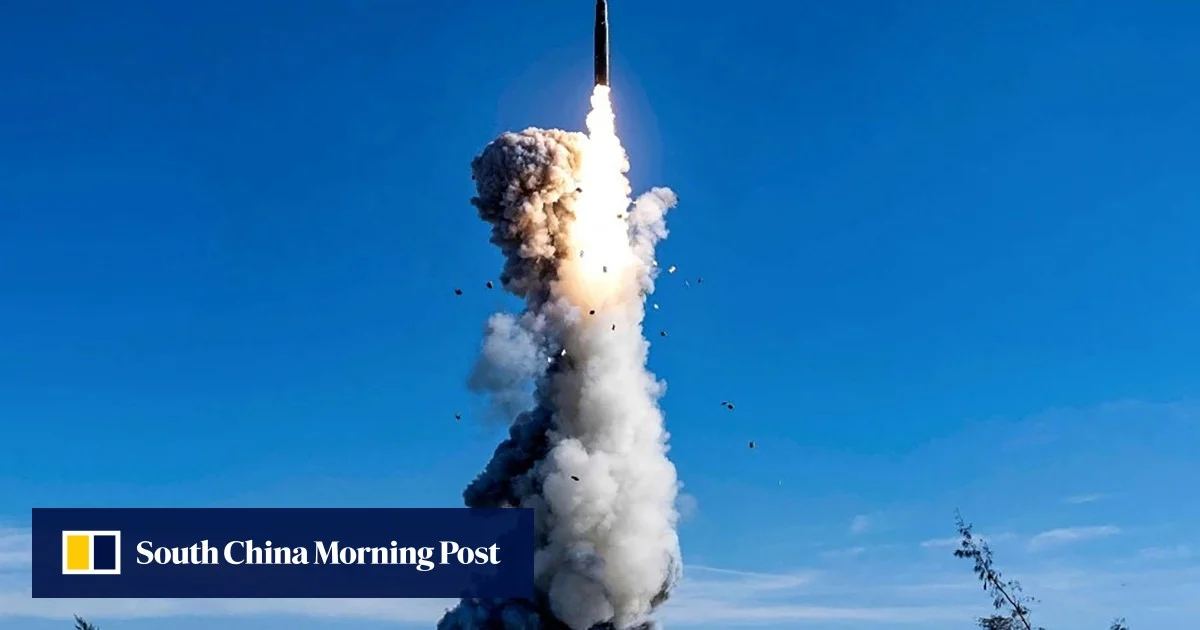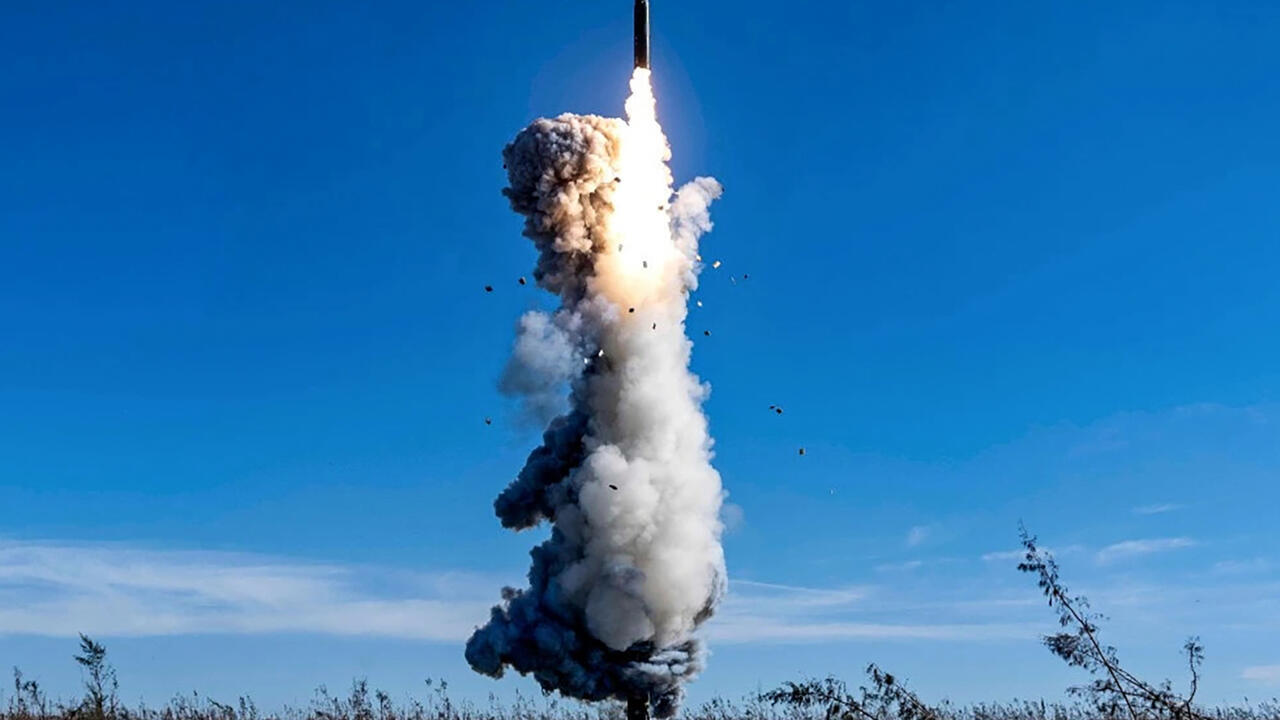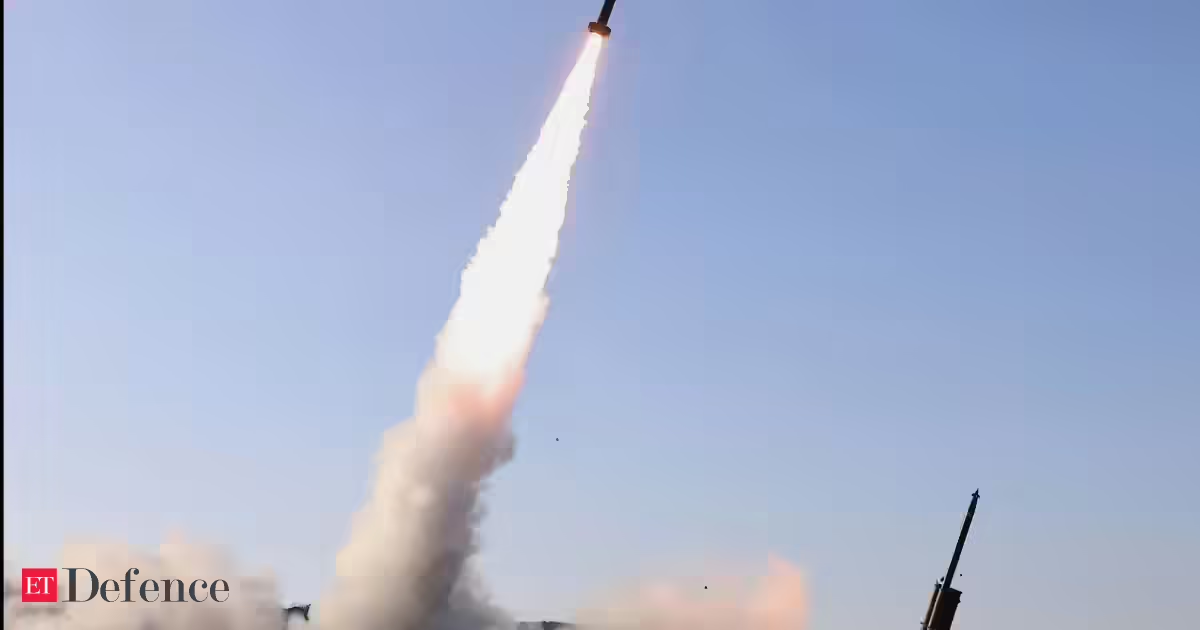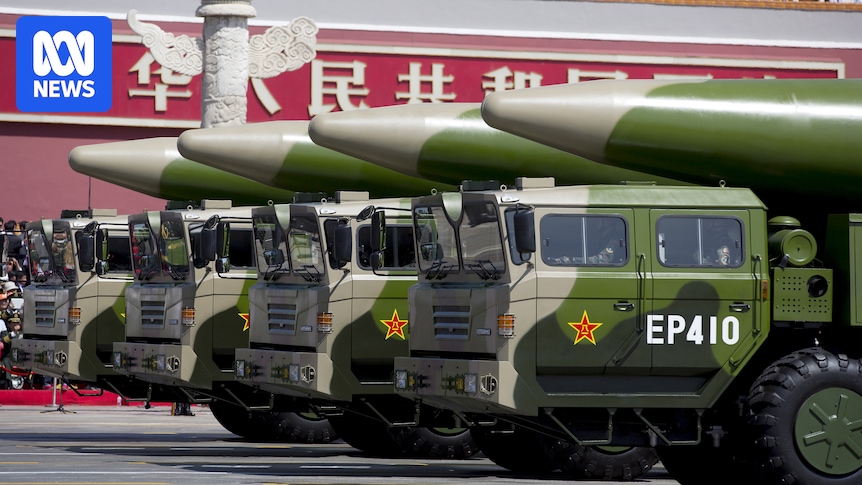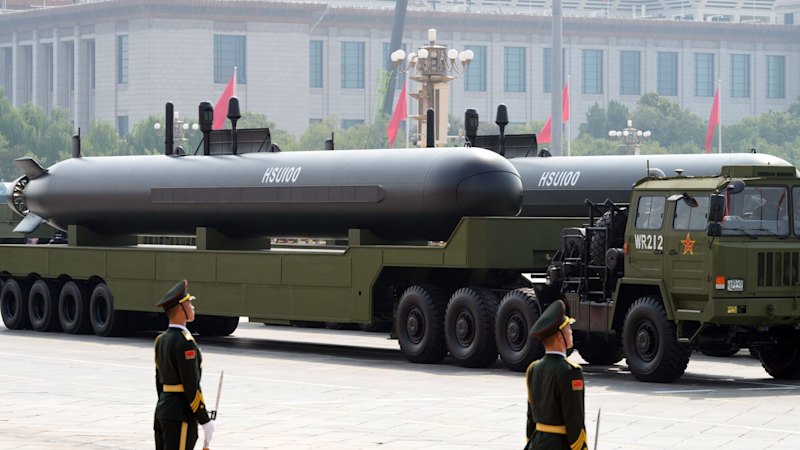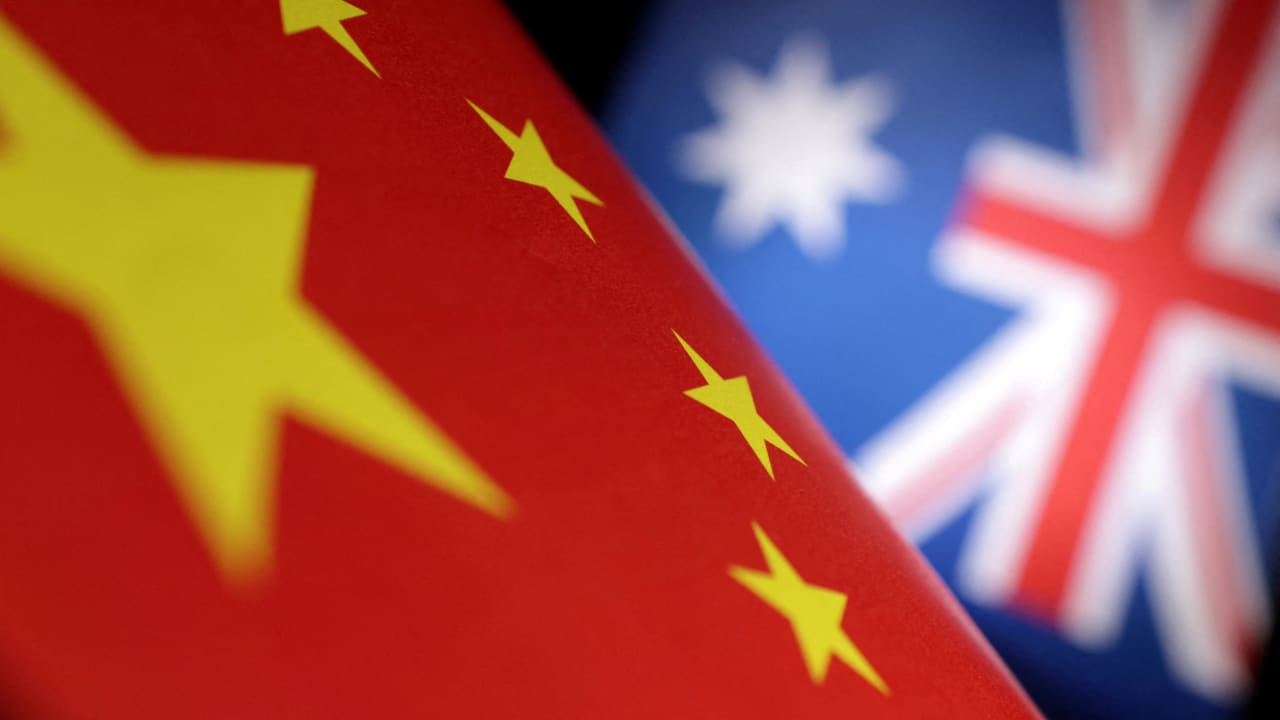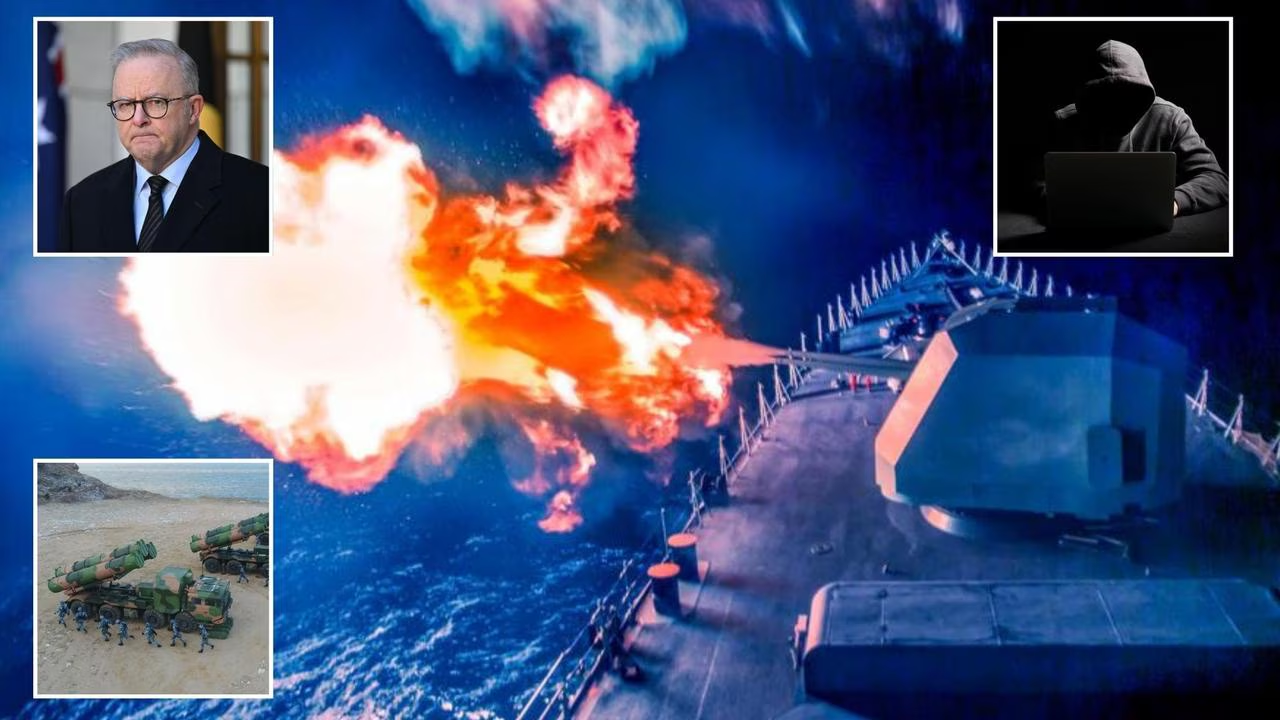
Australia would be hit by cripping cyber attacks before being pounded by new Chinese long-range missiles if a conflict broke out over Taiwan, a military expert has warned.The dire statement comes as a landmark report found a “real and growing” risk China would use a new fleet of lethal rockets that are capable of reaching further than ever into mainland Australia.The Lowy Institute said Beijing’s new long-range bombers, coupled with the potential to move other lethal military hardware to Pacific bases, could see previously out-of-reach areas in Australia become fair game within the next decade.Dr Malcolm Davis, from the Australian Strategic Policy Institute, a think tank, said China’s development of long-range missiles and an increasingly friendly rapport with Pacific Island nations were a direct threat to Canberra.“If [China] had secured a military base in the Solomon Islands, that would leave Chinese military forces a mere 1,800km off the east coast of Australia,” he told news.com.au.“When you look at our defence policy, it’s very much focused on defending the north and the west [of Australia]. If the Chinese get a forward military presence in the south-west Pacific, then suddenly we need to think about defending our population centres in the east from direct attack.”The Chinese military expert said this would add “a whole new dimension” to Australia’s military planning and require a substantial boost in defence spending. China has no military bases in the region but has grown its influence in recent years. Top Chinese officials have frequently visited the region while President Xi Jinping attended summits in 2014 and 2018, according to the Council on Foreign Relations. Eight countries are China’s comprehensive strategic partners - the highest privilege bestowed on China’s closest diplomatic friends.Meanwhile, in 2022, the Solomon Islands signed a wide-ranging security pact with Beijing, which allegedly allows Chinese security and naval deployments to the crisis-hit Pacific island nation.Dr Davis said even if Canberra kept Beijing out of the south-west Pacific, it still faced the sheer force of its mammoth navy.“Beijing can attack all our critical bases across the north from China and the South China Sea. They can project force against Australia, and they did that last year when the flotilla circumnavigated Australia. That was a clear strategic signal from Beijing to Canberra, basically saying ‘we will project power against you,’” he said.If conflict broke out, China could target critical communication infrastructure with rolling and debilitating cyber attacks and sever deep-sea cables providing internet access to Australia before bombing military sites.Dr Davis said China‘s navy - which he claims is on track to become the most powerful in the world - could then move to choke off US access to the western Pacific, threaten Japan’s sealane communications and dominate Taiwan.“In a crisis situation, there’s no reason China wouldn’t want to project power against Australia either by service combatants, including aircraft carriers, or via submarines,” he said.‘Running a losing race’The Lowy Institute report said China aims to build 25 nuclear-powered attack submarines by 2035, up from an estimated nine today. Australia will have two by the same time.China is also pumping out between 4.5 and six subs a year. The US’ sub production rate is languishing at 1.3 per year and needs to hit 2.33 soon if Australia is to receive any nuclear subs promised under the AUKUS defence pact.“By then the Chinese will have even more of an advantage than they do now,” Dr Davis said. “We are running a losing race here.”Dr Davis wants defence funding boosted to 3.5 per cent of Gross Domestic Product (GDP) now.He said this was the best way for Australia to defend itself from a Chinese attack if it ever became embroiled in a regional war between the US and China over Taiwan.“What the Chinese would do from the outset of that war is attack bases that are hosting US forces around the region, including here in Australia. That includes RAAF Tindal, Amberly, Williamtown, Cairns and Darwin - if it hosted US naval forces. All of these places could come under missile attack,” he said.“We’re facing a large number of missiles attacking our critical infrastructure - not just bases but also logistics infrastructure, communications, power generation.”He said the attacks could happen in a matter of hours and severely impact Australia’s ability to function. He said Canberra needed to invest in national resilience programs and the ability to fight a protracted war that could last many months otherwise it would be “a very hard shock for us as a country”.‘Governments must look at capability’The Lowy Institute paper warned China’s ability to disrupt Australia’s maritime trade, sever undersea cables and carry out cyber attacks and project naval power in Aussie waters “is robust and will grow substantially over the coming decade”.Australia’s distance from China - once viewed as a strategic asset - was also shrinking, according to report authors Sam Roggeveen and David Vallance. They said China’s ability to strike the Australian mainland “is real and growing, primarily through missiles fired from surface ships, submarines, and potentially from Chinese territory”.“China can already strike northern Australia with ballistic missiles deployed to its South China Sea outposts, and its capacity to strike the Australian landmass from Chinese territory will grow over the next decade,” they wrote.“As China’s submarine fleet grows in size and sophistication, its ability to use these platforms to strike targets on the Australian mainland will also grow.”The authors were awed at China’s nuclear-powered submarine building capacity, saying the country was “on the cusp of a building boom” and said a bolstered Chinese fleet would give Beijing the capacity to carry out sustained strike operations against Australian targets and rotate boats through patrol cycles to maintain a constant threat.They said China could strike Australian offshore oil facilities, ports, airports, bridges or railways.They said the China DF026 rocket can already reach northern Australia, but only if it’s fired from one of Beijing’s artificial islands in the South China Sea.The nuclear superpower also has a giant stockpile of intermediate-range ballistic missiles that can travel between 4,000 and 8,000 kilometres. China could have as many as 1,000 of these powerful rockets by 2035. And if China established a Pacific islands military base, its H-6 long-range bombers would hit Australian territory.“We should assume, therefore, that China is not building a ‘paper tiger’ force simply to keep the Communist Party in power or to be shown off at parades. China is striving to build a world-class military that can fight and win against technologically advanced adversaries,” they warned.Read related topics:China
Military expert’s dire warning as Chinese missiles reach more of Australia
Australia would be hit by cripping cyber attacks before being pounded by new Chinese long-range missiles if a conflict broke out over Taiwan, a military expert has warned.
1,081 words~5 min read