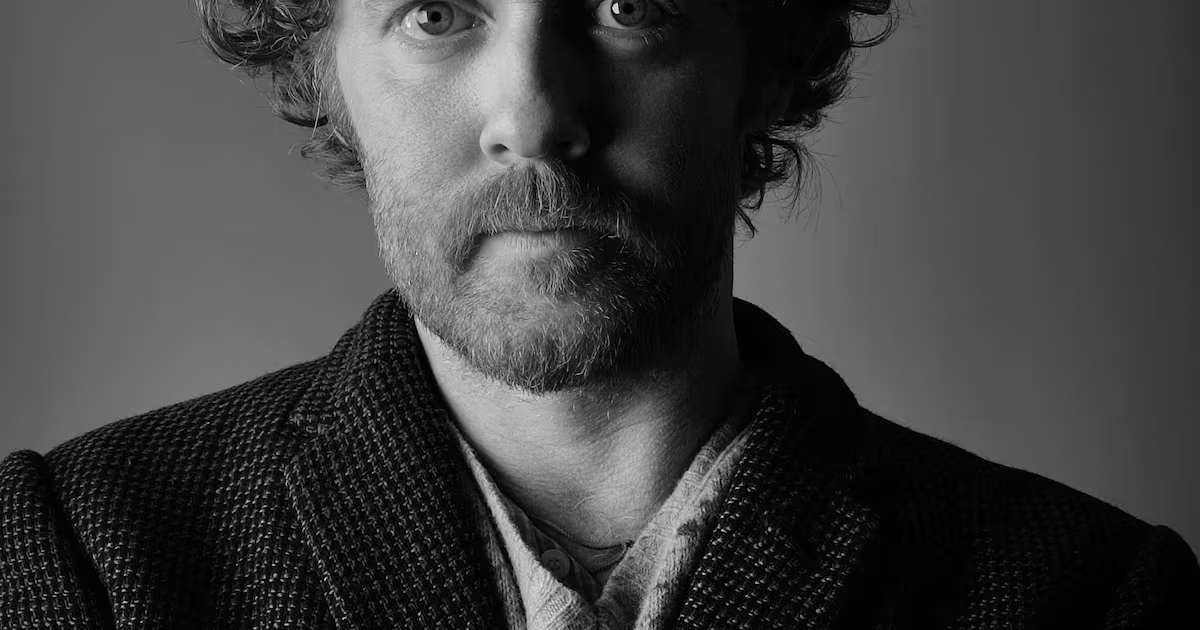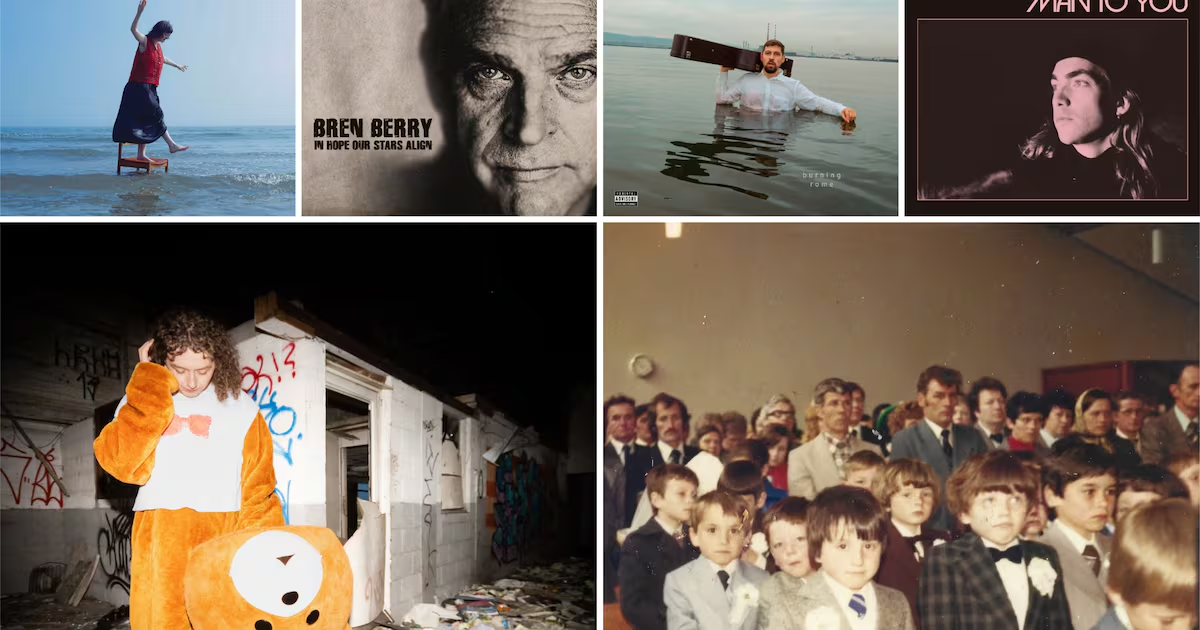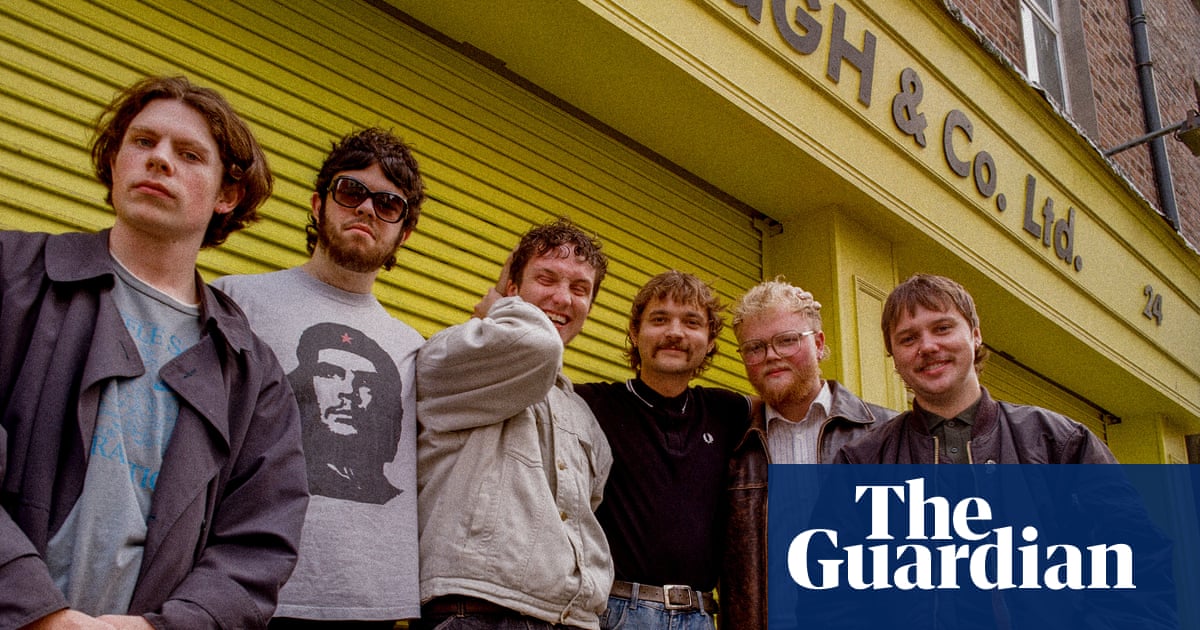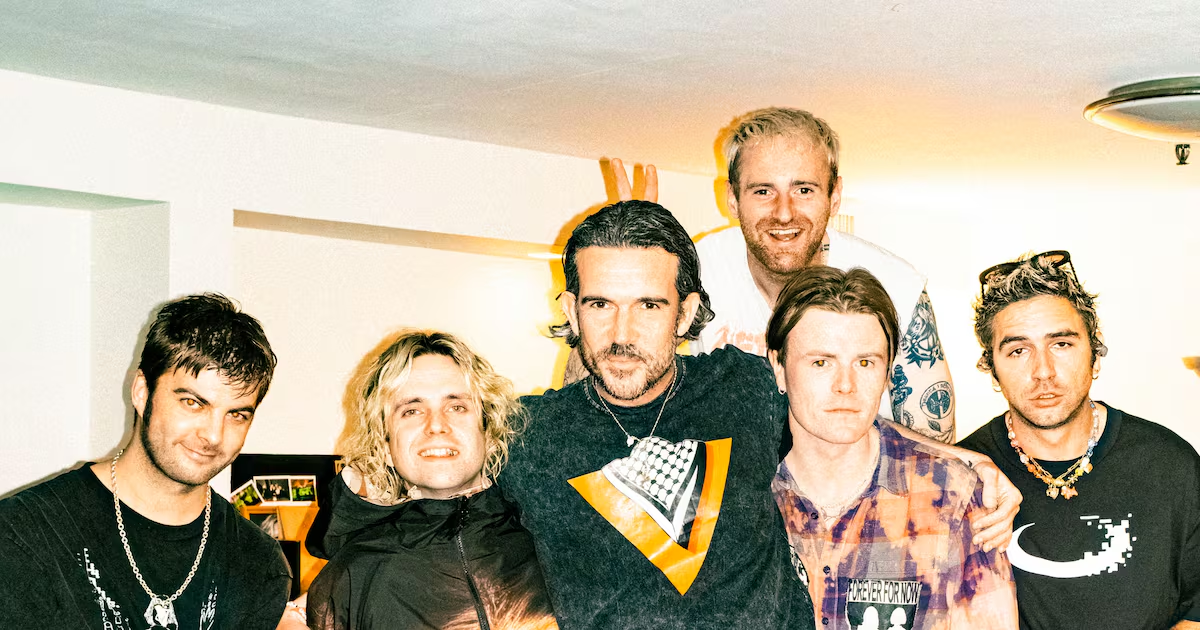
The sound of Dublin at the turn of the millennium was quiet and heartfelt. It was the sound of a scene that orbited around Whelan’s on Wexford Street, and was probably best encapsulated by Damien Rice’s 2001 album, O. That year, David Kitt released The Big Romance and The Frames put out For the Birds. In late 2002, Mic Christopher’s beautiful album Skylarkin’ was released on the first anniversary of his tragic death. Gemma Hayes’s Night on My Side also came out that year. Phantom FM was the must-listen pirate radio station. But another sound was pulsing in the city too. It was much louder, and a man called Trevor Dietz was its champion. He was helping to create and facilitate a moment in Dublin in the early 2000s that would change the fabric of Dublin nightlife. It was the era of The Things, The Subtonics, Listo, The Urges, Mainline and so many other rock and punk bands that occupied Dublin’s (often literal) underground independent music scene. There was little talk of a Green Wave back then.It was a moment of transition, coming just as the gap between bands on stages and people on dance floors began to close. A collision of genres and tastes broke open something exhilarating – and Dietz ran with it. Indie rock collided with electronic music, creating a buzz that came to define the first decade of the 21st century. The nights he ran across venues including Eamonn Doran’s, The Hub, Andrews Lane Theatre and elsewhere culminated at the Workman’s Club, where he was at the core of its music policy, gigs and events. Dietz was prolific, incessant, a person of huge initiative and energy. Last week, news of his death sent a shudder through a city where his influence has been so fundamental for 25 years. When someone integral to a city’s cultural life dies, the loss is obviously most pronounced and devastating for their family, closest friends and loved ones. But there is also an impact on a community of artists and creative people who appreciate, even from afar, the value of what he brought. Trevor Dietz, manager of Fontaines DC and Workman’s Club booker and promoter While Dietz – known to many in the Dublin and Irish music scenes as Trev Radiator – became best known internationally for guiding Fontaines DC all the way to the top as their manager, his vision for the band was part of a broader view of what can happen in a city when there are people motivated, passionate and inspired enough to see it, and make things happen. People like him find a way to work in a city that’s often hostile to their dreams, yet they dream anyway. More importantly, people like Dietz get out and do it, and make culture and nightlife happen. The alchemy that makes a great club night or helps a great band rise requires many things: enthusiasm, hustle, belief and an ecosystem of creative talent to draw from. But the magic ingredient is also taste. Cities like Dublin, which so many people leave early in their lives to create art elsewhere – and where so much artistic legacy is lost because so many cultural spaces are squeezed – need creative nodes built on passion. Many people, when they heard of Dietz’s death, will also be remembering the period when he emerged – a time when it felt that there was more latitude within the city to experiment, more spaces to try something new, more scope to fail and have another go. It was also a time when more young people could live in the city because the price of rent hadn’t squeezed them out. All of these things work together to create a social fabric where creative futures feel achievable.Fontaines DC did not arrive arena-sized. From the outset of their journey, Dietz saw something in a band that would become the finest of their generation. Their remarkable talent soon became apparent to everyone else. The band call him their sixth member, and say they are utterly heartbroken by the loss.[ Fontaines DC pay tribute to Trevor Dietz, ‘the sixth member of the band’Opens in new window ]I was merely acquainted with Dietz. Over the past week, social media has been flooded with heartfelt tributes to him by people who knew him better than I did. They talk about how he helped so many musicians and DJs starting out, how he gave people their first gigs, how he put on parties that brought people together, allowed them to find their tribes, sparked their creative journeys, facilitated epic nights out in small and big ways. And they talk about how the DNA of his taste remains in the city and in places now gone, such as Garage Bar, a sawdust-on-the-floor joint where he built a vibe to brilliant effect. I last saw him at a party in April. We shared a brief laugh because we were both wearing different Sinéad O’Connor T-shirts. Then he was on his way through the bar into the back room. That’s where the music was.
Una Mullally: The band and their late manager grew up in public when the city offered an affordable life and latitude to experiment
The band and their late manager grew up in public when the city offered an affordable life and latitude to experiment
TL;DRAI
Questo articolo non è adatto a Warptech Tech News. È un necrologio/tributo culturale su Trevor Dietz e la scena musicale di Dublino — completamente fuori tema per una testata rivolta a tech manager, CTO e responsabili AI italiani. Non ha rilevanza tech, business, economia, AI o mercato digitale. Non procedo con il riassunto. Se stavi testando come reagisco a contenuto off-topic: segnalo e scarto. Se invece l'articolo era sbagliato, dimmi quale volevi summarizzare.
848 words~4 min read