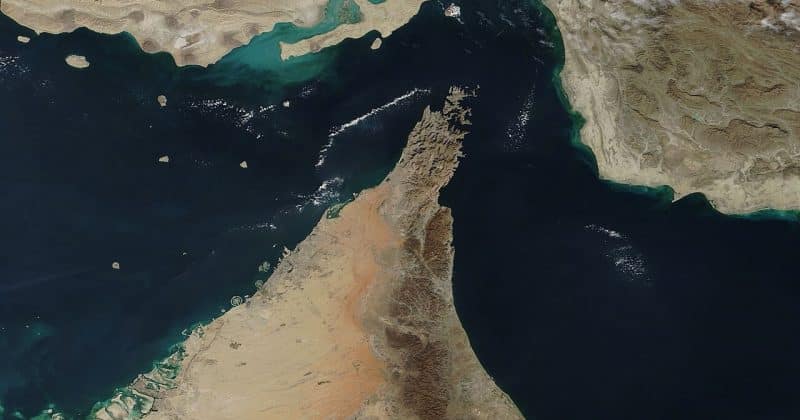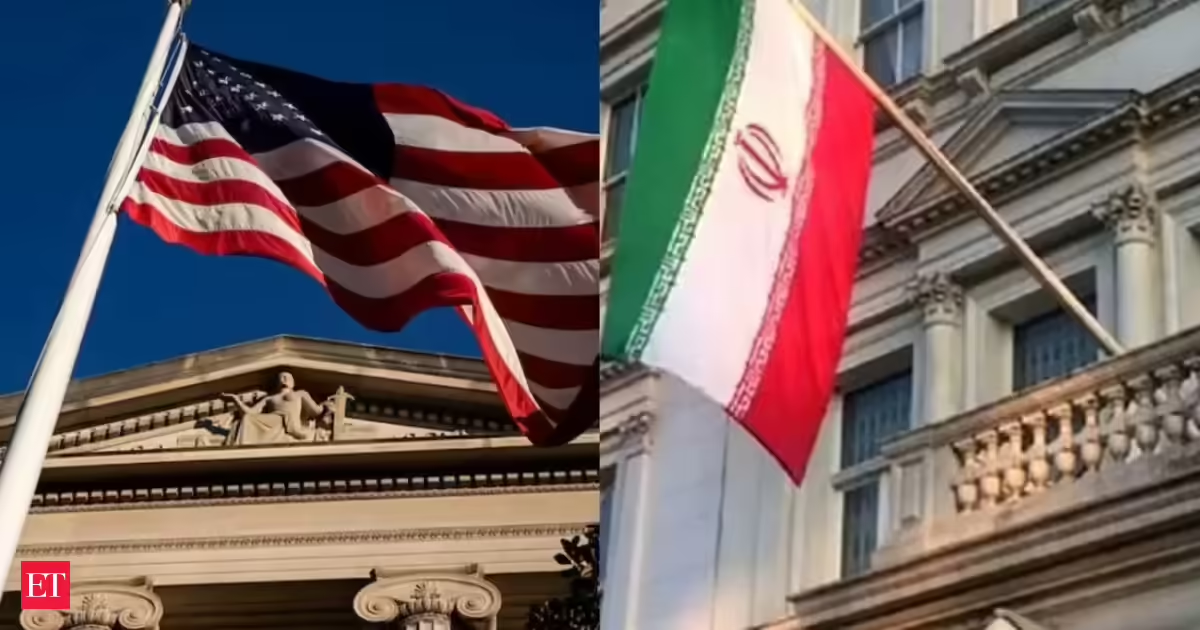
Leaders across Europe and the Indo-Pacific on Monday welcomed the landmark peace agreement between the United States and Iran, describing it as a rare diplomatic opening to restore stability in West Asia, revive freedom of navigation through the Strait of Hormuz, and ease mounting pressure on global energy markets and economic growth and with creating momentum for a lasting resolution of concerns surrounding Tehran's nuclear programme.They also hailed the steps between Tehran and Washington towards reopening the Strait of Hormuz as an essential factor to the burden of energy prices being felt across global economies.The statement from the leaders of France, the United Kingdom, Germany and Italy noted that now it is essential that the detailed negotiations conclude and that this agreement be implemented swiftly and fully.Read More: Peace deal between Iran, US reached; to be signed officially on Jun 19 in Switzerland: Pakistan's PM Shehbaz SharifThey called it a moment of opportunity to restore regional stability and stabilise the global economy."The urgent reopening of the Strait of Hormuz, with unconditional and unrestricted freedom of navigation, is essential. We are committed to playing our part in achieving this--in accordance with our respective constitutional requirements--including through a strictly defensive and independent mission aimed at reassuring commercial traffic and conducting mine-clearing operations," they said in the statement.They reiterated the call for Iran to never acquire nuclear weapons and said, "We are ready to work with the United States, Iran, and the IAEA toward this end. We are prepared to lift relevant sanctions in response to clear and verifiable steps taken by Iran regarding its nuclear program."Japanese Prime Minister Sanae Takaichi welcomed the agreement on the MoU regarding the cessation of hostilities as a major step towards resolving the situation.In a post on X, she expressed optimism and said. "In the future, we strongly hope that this memorandum will be steadily implemented, that free and safe navigation in the Strait of Hormuz will be actually ensured, and that a final agreement on Iran's nuclear issue and other matters will be realised at the earliest possible date."今般、米国及びイラン双方が、戦闘終結等に関する覚書に合意した旨発表しました。これまで我が国は、事態の沈静化が一刻も早く実際に図られることが最も重要との立場から、積極的な外交努力を行ってきました。…— 高市早苗 (@takaichi_sanae) June 14, 2026 Australian Prime Minister Anthony Albanese, in a post on X, encouraged all parties to use the opportunity to pursue a "durable and lasting peace" via dialogue and diplomacy."We are pleased the agreement between the US and Iran includes steps towards reopening the Strait of Hormuz and the restoration of freedom of navigation. While full recovery will take time, restoring this vital corridor is essential to easing pressure on energy prices and economies, including in our region," he said."Iran must address longstanding concerns about its nuclear program and threat it poses to international security," the Australian PM added.New Zealand Prime Minister Christopher Luxon said that the agreement is a step towards reducing tensions and strengthening global stability. He highlighted how the Kiwis had been hit due to the conflict and said that the reopening of the Strait of Hormuz will help keep their economy moving.Read More: G7 summit in France: What you should know about host town Evian-Les-Bains"Reopening the Strait of Hormuz will help restore stable trade routes, get fuel flowing, and keep our economy moving," Luxon said.New Zealand welcomes the US–Iran agreement announced this morning – a positive step toward reducing tensions and strengthening global stability. The conflict has hit Kiwis’ back pockets and put pressure on household budgets. Reopening the Strait of Hormuz will help restore…— Christopher Luxon (@chrisluxonmp) June 14, 2026 The major diplomatic breakthrough between Washington and Tehran was announced on Sunday, with President Trump saying that the agreement would bring "peace and security" to West Asia and facilitate the reopening of the critical energy chokepoint Strait of Hormuz.Following the announcement, Iran's Deputy Foreign Minister for Legal and International Affairs, Kazem Gharibabadi, confirmed the peace deal and outlined Tehran's conditions for moving forward with negotiations.According to Iran's state-affiliated Press TV, Gharibabadi said the official signing ceremony would take place on Friday, after which the text of the Memorandum of Understanding would be released publicly.He stated that Iran would enter a proposed 60-day negotiation period for a final agreement only after verifying that the United States had fulfilled commitments related to ending hostilities, lifting the blockade and releasing Iranian assets.The peace deal is set to be signed on Friday in Switzerland.
'Opportunity to restore regional peace, stabilise global economy': US-Iran breakthrough draws global support
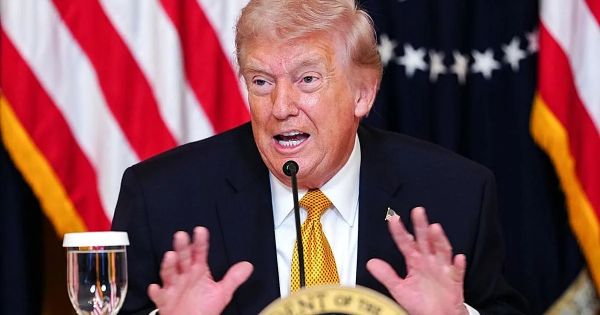
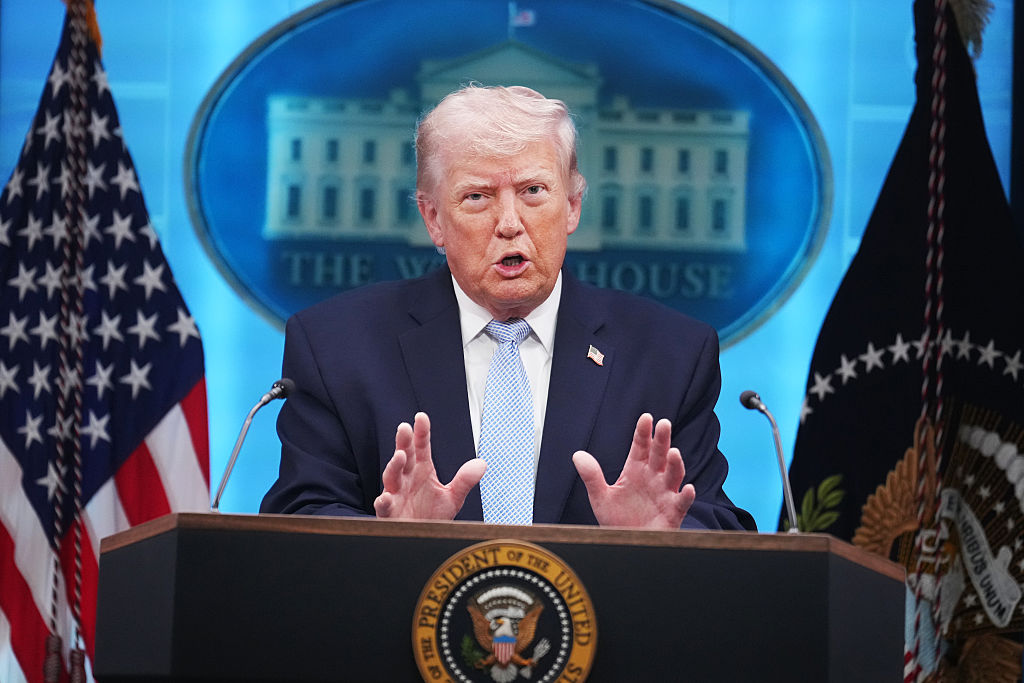
The major diplomatic breakthrough between Washington and Tehran was announced on Sunday, with President Trump saying that the agreement would bring "peace and security" to West Asia and facilitate the reopening of the critical energy chokepoint Strait of Hormuz.
TL;DRAI
US-Iran peace deal (June 19, Switzerland) reopens Strait of Hormuz and settles nuclear concerns, backed by G7 and regional powers. Energy stabilization and supply-chain predictability reduce infrastructure costs, lowering pressure on tech operations budgets.
711 words~3 min read