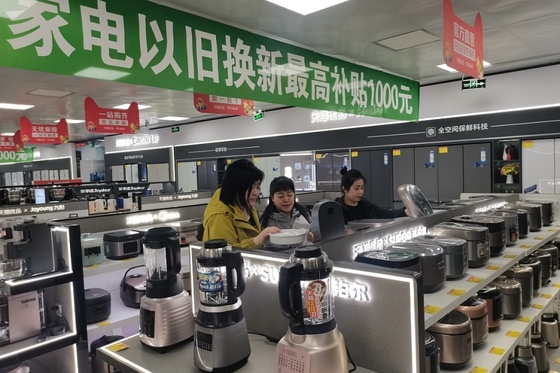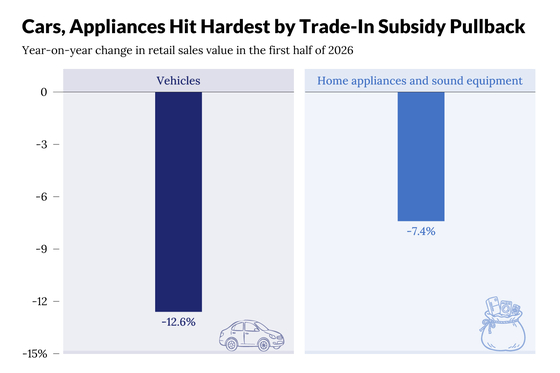
Feel strongly about these letters, or any other aspects of the news? Share your views by emailing us your Letter to the Editor at [email protected] or filling in this Google form. Submissions should not exceed 400 words.In the post-pandemic era, boosting consumption and stabilising growth have been key challenges for the Chinese economy. In March 2024, China’s State Council launched an action plan to promote large-scale equipment upgrades and trade-ins of consumer goods, its largest national consumption subsidy programme in recent years. The scheme has since been extended, but questions persist over its true impact.Our systematic study on the consumer goods trade-in programme, based on data from 23 Chinese provinces between March 2023 and December 2024, provides an objective answer. The findings show that the 150 billion yuan (US$22.1 billion) central special treasury bonds earmarked for the scheme drove over 1.3 trillion yuan in spending on cars, home appliances and other key goods, with an average leverage ratio of 1:8.7.Our research confirms the policy works: it significantly increased urban household spending, and this extra growth seems to have come directly from the policy rather than from random market ups and downs or seasonal changes.More importantly, two key findings challenge common beliefs. First, what matters most for subsidy success is a province’s GDP growth rate, not its total economic size. Faster-growing regions have more stable jobs and clearer income expectations, so subsidies quickly turn potential demand into real spending.Second, there is no clear link between how much money local governments spend on subsidies and how well they work. Spending more does not guarantee better outcomes; how well the policy is carried out is what counts.
Letters | Data shows China’s trade-in scheme is successfully driving consumer spending
Readers discuss the impact of China’s massive consumption subsidy programme, and the traditional dominance of administrative officers in key government roles.
275 words~1 min read