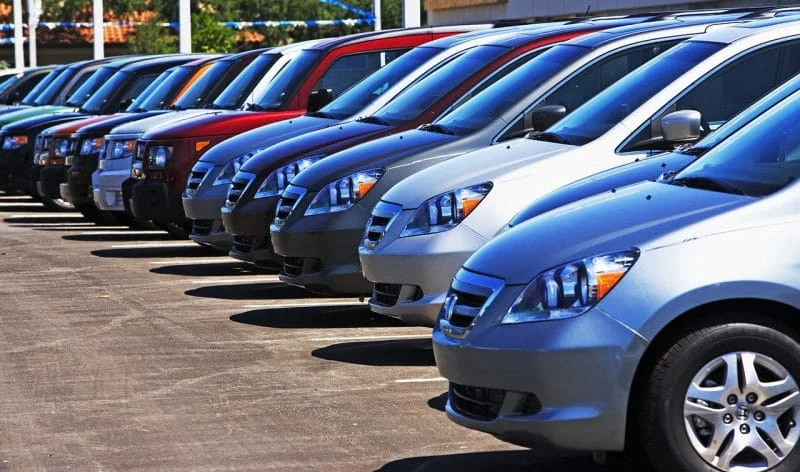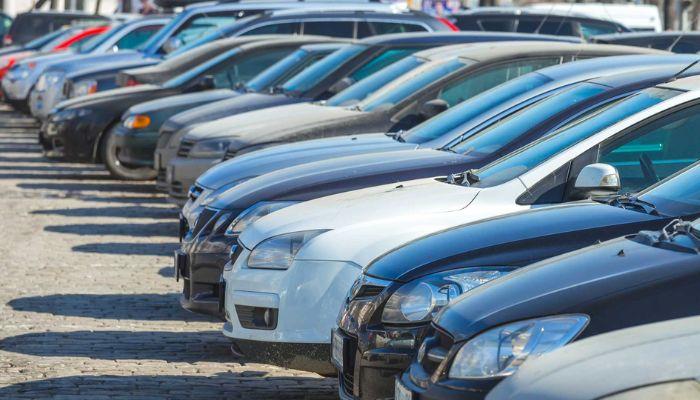
Kekemeke Karatei realised he had saved up more hope than cash after arriving at the car lot to be informed that the N6 million he had been nursing for many months to finally own a 14-year-old used Honda was only sufficient to get him something even older and at a bargain.
In his 30s and closing in on his call to the bar, he knew he needed better mobility options around Lagos if he was to settle down properly. “I kept saving, just in case the heavens bless my pocket, maybe I would get my choice.” His choice was a 2012 Honda Crosstour. “But I eventually settled for a 2008 Toyota Camry Muscle, influenced by the degree of my financial muscles,” he told BusinessDay.
Karatei’s experience is similar to that of several Nigerians whose quest for imported, fairly used cars, also known as Tokunbo, has met the brick wall of never-fulfilled dreams for the aspirational middle-income class.
Car prices in Nigeria’s used vehicle and secondary car market have more than doubled in the last decade, fuelled by a depreciating Naira that has raised purchasing costs and duties paid by importers and resellers amid stagnant income levels.
After the Central Bank of Nigeria (CBN) floated the currency in 2023, collapsing multiple windows into a single market system, the naira went into freefall. That liberalisation, while welcomed by investors and multilateral institutions as a long-overdue correction, unleashed a wave of volatility that stripped the currency of more than half its value.