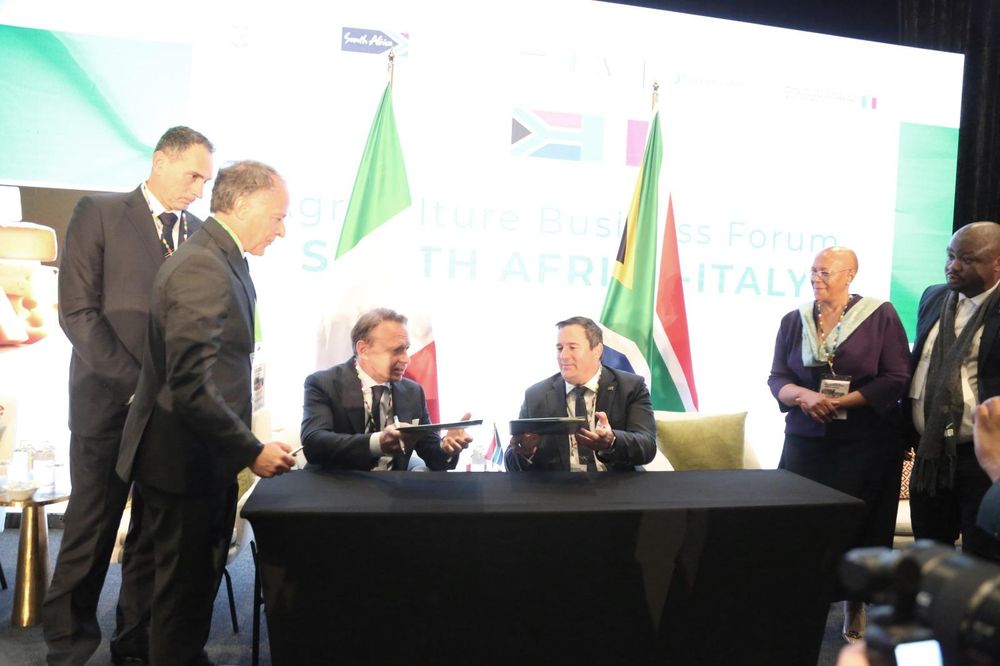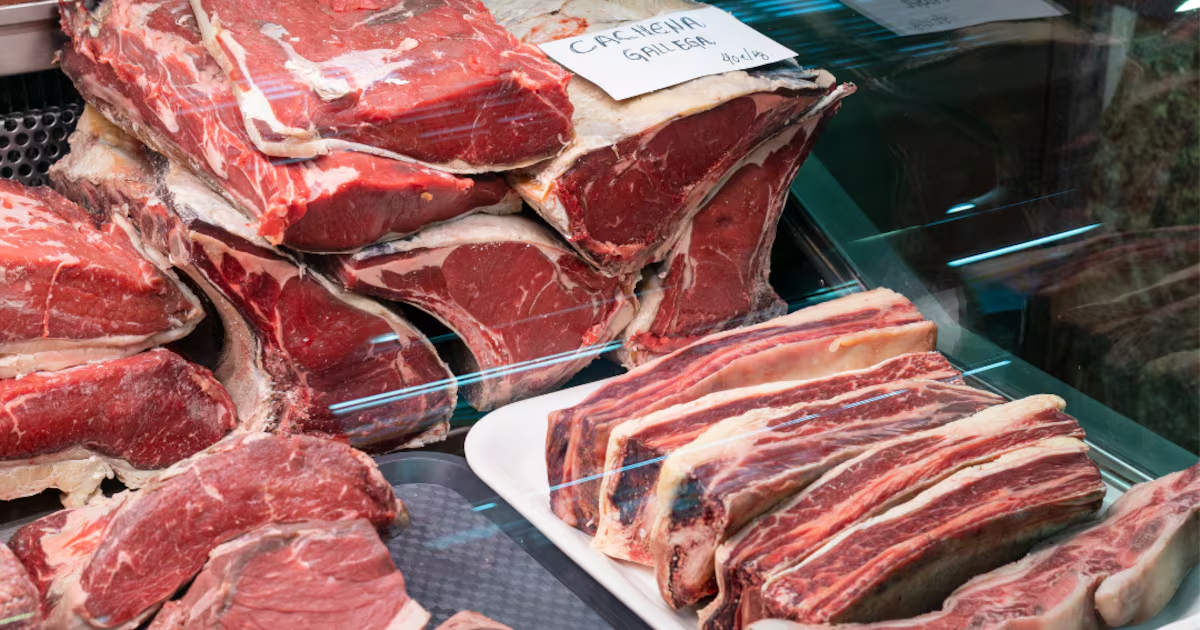
South Africa’s meat industry says it is losing billions in export opportunities as delays in government approvals and certification processes continue to block access to markets where buyers are already willing to trade.The warning comes as Italy shows growing interest in the country’s beef and agricultural products, raising hopes for new export opportunities. However, the Association of Meat Importers and Exporters of Southern Africa (AMIE) says new markets will have limited value if the government cannot resolve delays affecting existing export channels.AMIE chair Mark Luff said global trade shifts, including rising tariff pressures in major economies, make it increasingly important for South Africa to diversify agricultural exports. Italy’s interest confirms that demand exists for South African red meat, but exporters are struggling to move products into markets that are already available.“The industry cannot speak seriously about future access to new European markets while existing export channels remain blocked,” Luff said.Demand from Qatar Qatar is one of the markets highlighted by AMIE. The association said South Africa’s lamb exports to Qatar have been stalled for two years after the country suspended imports in June 2024. According to AMIE, buyers are ready to resume purchasing, but the renegotiation and approval process has not been completed.Before the suspension, South Africa exported about 300 tonnes of lamb to Qatar every month, equivalent to about 150,000 lamb carcasses. AMIE estimates the lost export opportunity at R750m a year.The association said similar delays are affecting other Middle East markets, including Dubai and Bahrain, as well as Mauritius, where exporters are waiting for outstanding government-to-government processes and veterinary approvals.Department of agriculture director for animal health Mpho Maja said export certification processes are determined by the requirements of individual importing countries, and changes to those requirements can require updates to approvals and certification processes. “The sanitary requirements for meat exports to the Middle East region vary per country. South Africa currently has access to several markets in the Middle East and can export red meat to markets such as Saudi Arabia, Jordan, Kuwait and the UAE,” she said. The meat sector remains a major part of South Africa’s agricultural economy. Industry research shows demand for meat continues to grow, supported by urbanisation, changing consumer preferences and increased demand for protein-rich foods.Market researcher IMARC has found that South Africa’s overall meat market was worth $6.5bn (almost R106bn) last year and is projected to reach $7.8bn by 2034 (a growth rate of 1.88% during 2026 to 2034).According to Mordor Intelligence, the South African processed meat market was valued at about $2.16bn in 2025 and is expected to grow in the coming years, driven by demand for convenient food products, expanding cold chain capacity and retail distribution. Poultry remains the largest segment due to affordability, while beef, pork and mutton continue to serve premium and traditional markets.Italy’s interest comes as the country looks to strengthen agricultural supply partnerships, with reports indicating it imports about half of the meat it consumes and processes. Italian officials have identified opportunities to build integrated value chains with South Africa, combining local livestock production with Italian expertise in processing, packaging, branding and distribution. However, foot-and-mouth disease concerns and strict EU sanitary and phytosanitary requirements remain barriers to large-scale exports.AMIE said the challenges must be addressed alongside existing market-access problems. According to the association, exporters need clear certification pathways and consistent veterinary processes before they can fully benefit from international demand.“The priority now must be to clear the backlog in countries where demand for South African lamb and beef already exists and for the government to reform and modernise the systems, protocols, certification processes and communication channels that determine whether a product can move. Only then will our current market access challenges begin to be resolved, allowing new trading partners such as Italy to be considered,” Luff said.The association said unresolved veterinary and certification issues are increasing costs across the supply chain, affecting farmers, abattoirs, cold storage operators and logistics companies.Some foreign authorities have already engaged South Africa, accepted conditions or provided required documentation, but exporters remain dependent on final approvals from the department of agriculture.Luff said delays create a risk that international buyers will shift to alternative suppliers that can provide consistent supply.“Market access has no practical value if exporters cannot turn it into an approved product moving through the supply chain. Once buyers replace South African lamb or beef with a more reliable supplier, that space is difficult and costly to win back.”
SA loses billions as meat export delays lock producers out of ready markets
Delays in government approvals and certification processes continue to block access
TL;DRAI
South Africa's meat exports lose R750m/year as certification delays block lamb shipments to Qatar and Middle East markets. Outdated veterinary approval systems and absent digital modernization risk permanent loss of market share to more efficient suppliers.
738 words~3 min read