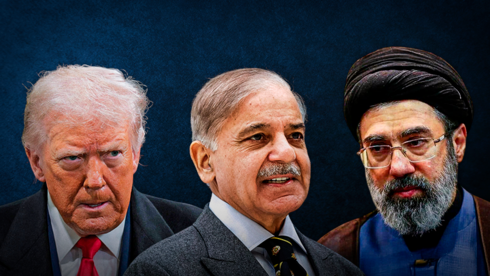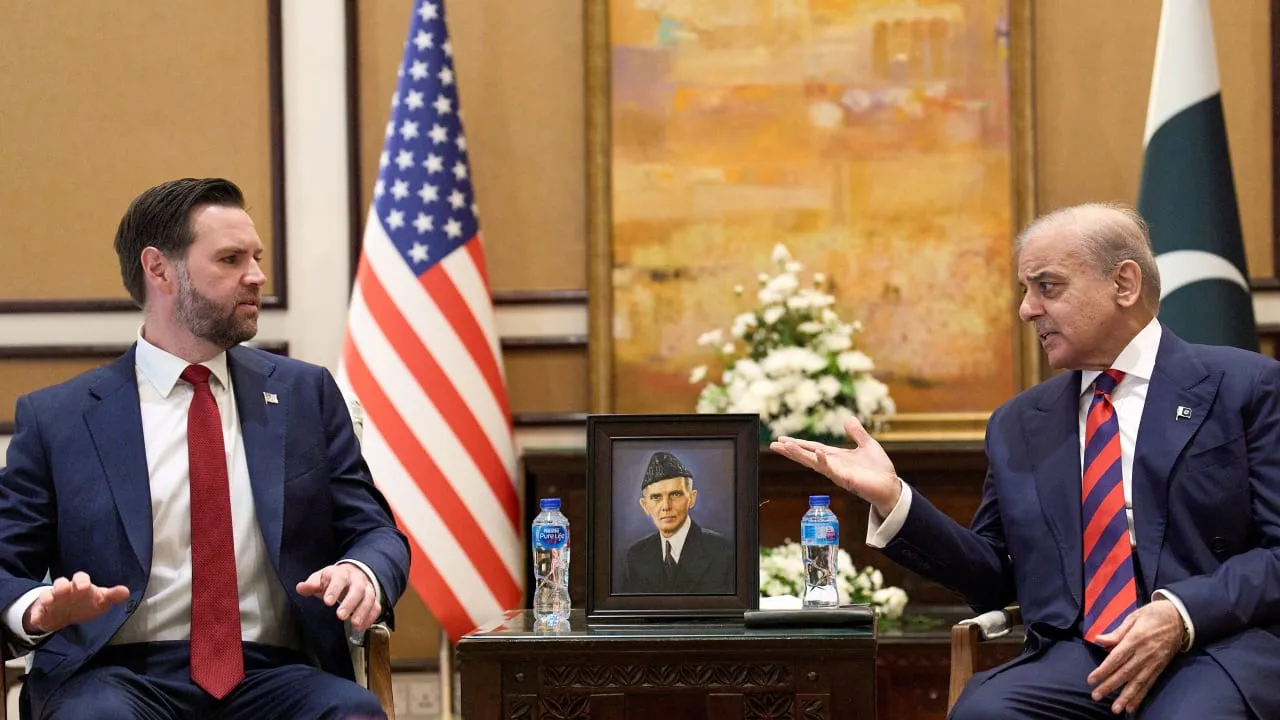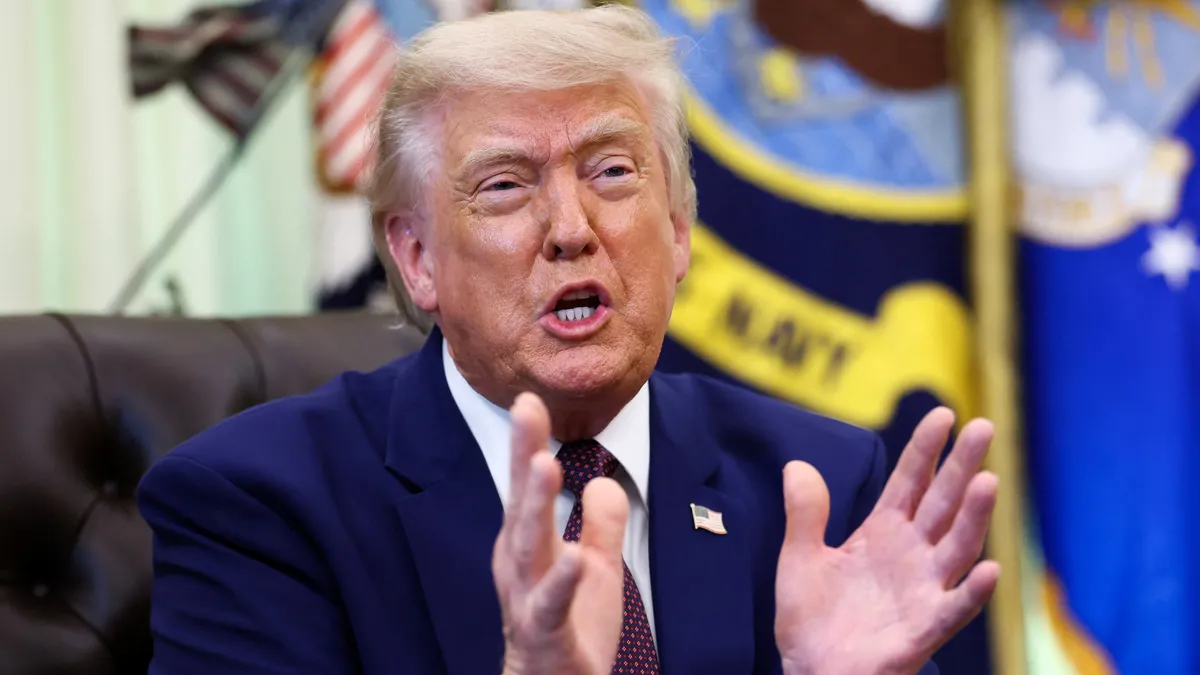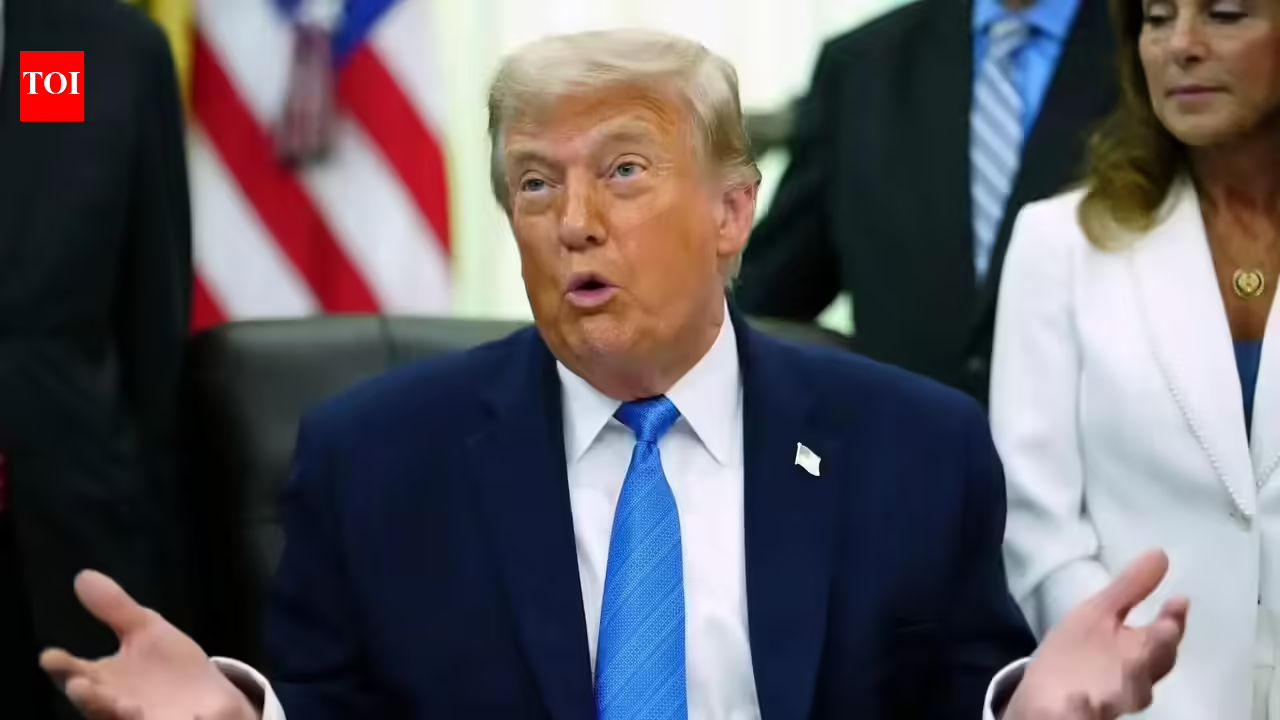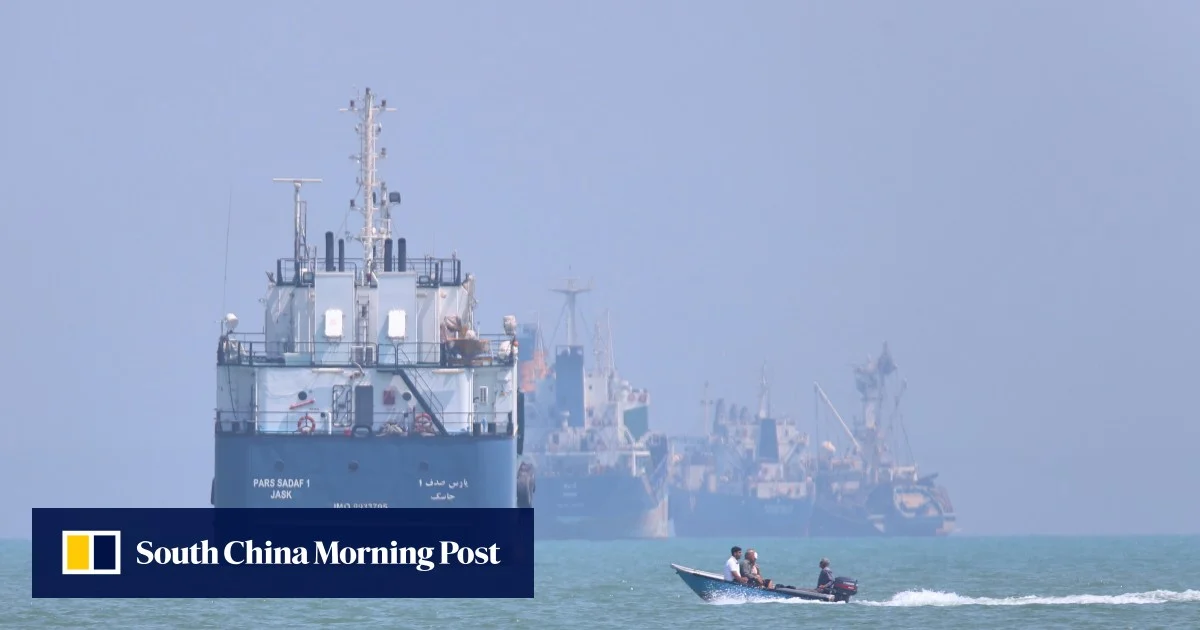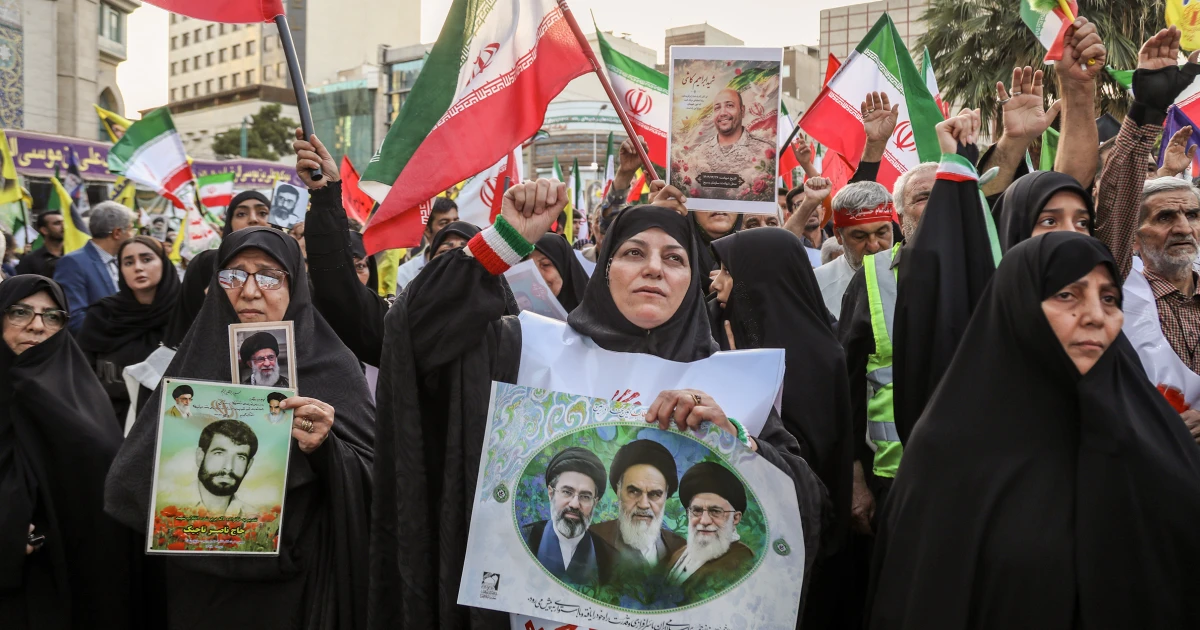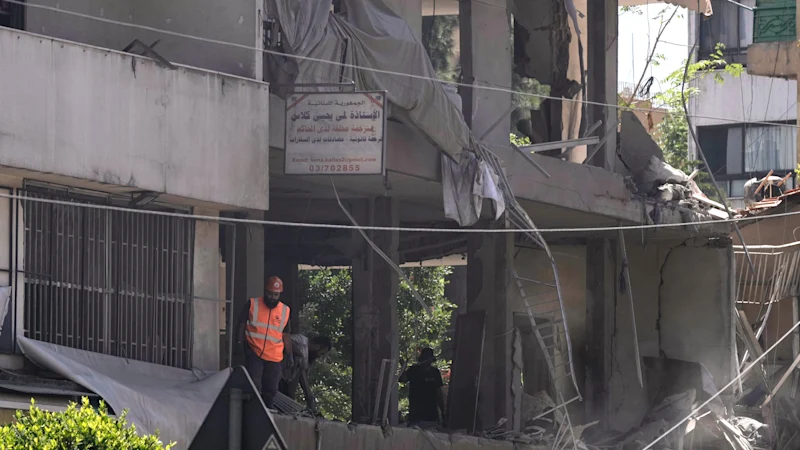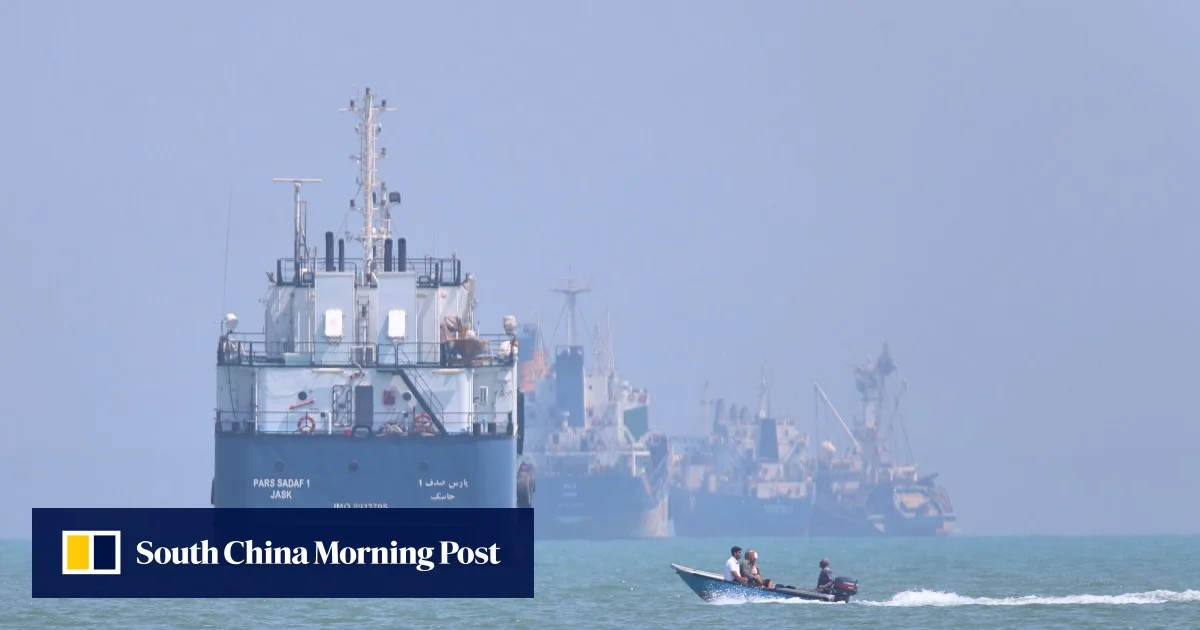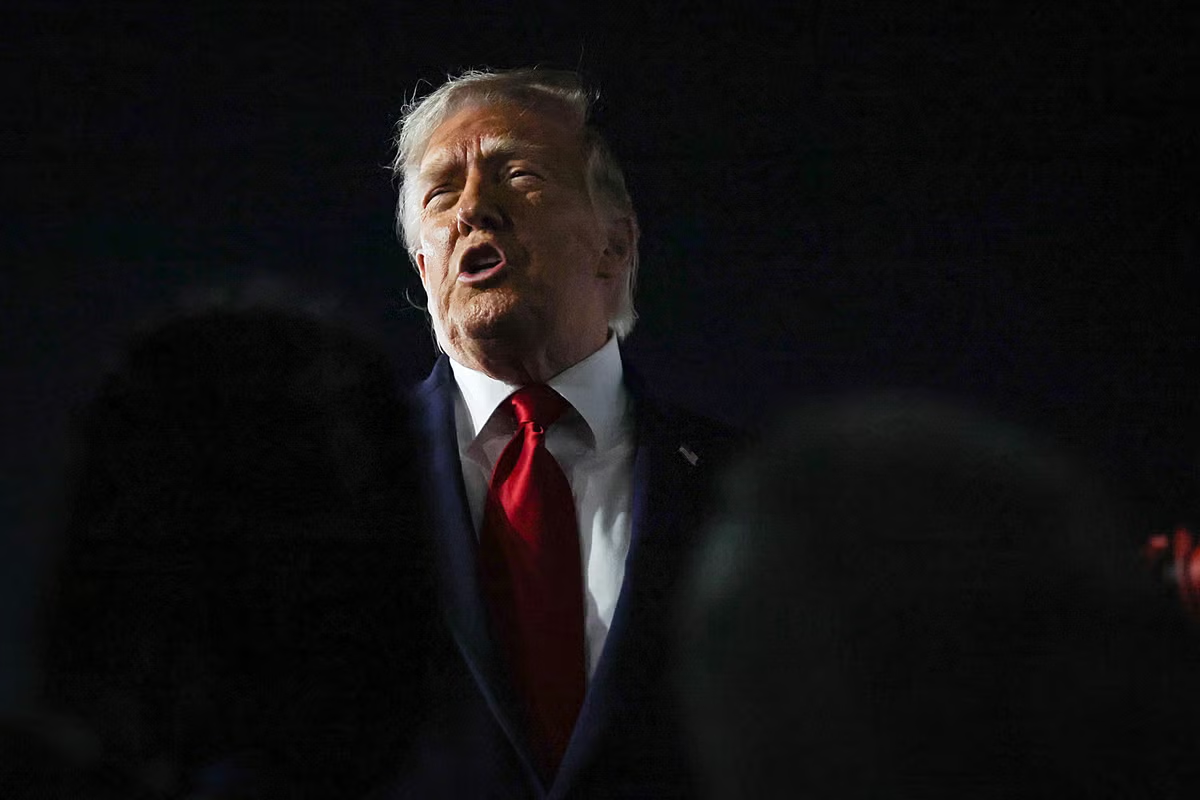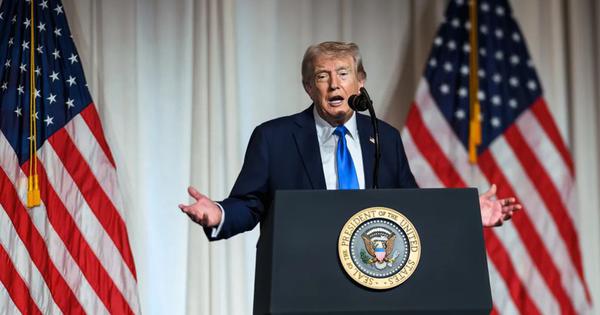
The peace deal with Iran “is now complete”, United States President Donald Trump said on Sunday.Trump said that he was authorising the “toll free opening” of the Strait of Hormuz and the immediate removal of the US’ naval blockade of Iranian ports.“Ships of the world, start your engines,” the US president said on social media. “Let the oil flow!”Pakistani Prime Minister Shehbaz Sharif said the agreement will be signed in Switzerland on Friday. Pakistan is among the countries mediating an end to the war in West Asia.The terms of the deal were also not immediately clear.However, Sharif said that the US and Iran had agreed to an “immediate and permanent termination of military operations on all fronts, including in Lebanon”.Israel, which was not party to the talks, had not commented on the deal.Trump said on social media that the deal will bring peace and security to West Asia.“With the opening of the strait upon the signing of the deal on Friday, for purposes of mine removal, oil will flow on both ends again for the region, and the world!” he added.While Tehran had not yet commented on the matter, a senior Iranian official told Reuters on Sunday that the final draft of the memorandum of understanding covered several issues, including the country’s nuclear programme, reopening the strait and Washington waiving oil sanctions. A final deal will be negotiated by the two sides in the 60 days following agreement of the interim deal.This came a day after Sharif on Saturday said that the deal between the US and Iran is expected to be finalised within 24 hours. “We are closer to a peace deal than ever before,” Sharif had said on social media.Pakistan was preparing for the “electronic signing of the peace deal immediately after” it is finalised, Sharif had said. Signing of the deal will be followed by technical level talks next week, he had added.However, Iran’s Foreign Ministry spokesperson Esmaeil Baghaei had said at the time that the exact timing of the signing of the deal will not be on Sunday.On Friday, Iranian Foreign Minister Abbas Araghchi said that the Islamabad Memorandum of Understanding had “never been closer” to being finalised and that media organisations should refrain from speculating about its contents.The warThe US and Israel launched an attack on Iran on February 28, claiming that Tehran’s action posed an existential threat to Israel. Washington acts as a guarantor of Israel’s security. Iran retaliated by striking Israel and US military bases in the region, targeting major cities in Gulf countries and ships.Since the conflict began, the Strait of Hormuz, the narrow waterbody connecting the Gulf to the Arabian Sea, has effectively been blocked for most international commercial vessels, triggering a global energy crisis. About 20% of global petroleum supply passes through the maritime chokepoint.The benchmark Brent crude was trading at $87 per barrel on Friday. The price of Brent was $78 per barrel on February 27, a day before the conflict started. The price had reached as high as $114 per barrel on May 4.On May 21, International Energy Agency chief Fatih Birol said that a continued blockade of the strait and depleting fuel storage could push the global oil market into the “red zone” in July or August.The peace talks between Iran and the US that were held in Islamabad, Pakistan collapsed on April 12, but the ceasefire in the region had largely held for nearly two months. Last week, Israel-US and Iran exchanged several rounds of fire.Israel has been claiming that Iran is close to obtaining a nuclear weapon, which could alter the regional security balance. Tehran has long maintained that its nuclear programme is for civilian purposes.This is a developing story. It will be updated as new details become available.Edited by Nachiket Deuskar.
Trump says Iran peace deal ‘is now complete’
The agreement, which includes ending the attacks in Lebanon, will be signed on June 19, Pakistani Prime Minister Shehbaz Sharif said.
TL;DRAI
Trump annuncia accordo di pace con Iran: riapertura Strait of Hormuz, fine blockade navale e oil sanctions, firma venerdì. Sblocca ~20% della fornitura energetica globale, impatto diretto su cloud costs e stabilità geopolitica supply chain tech.
627 words~3 min read