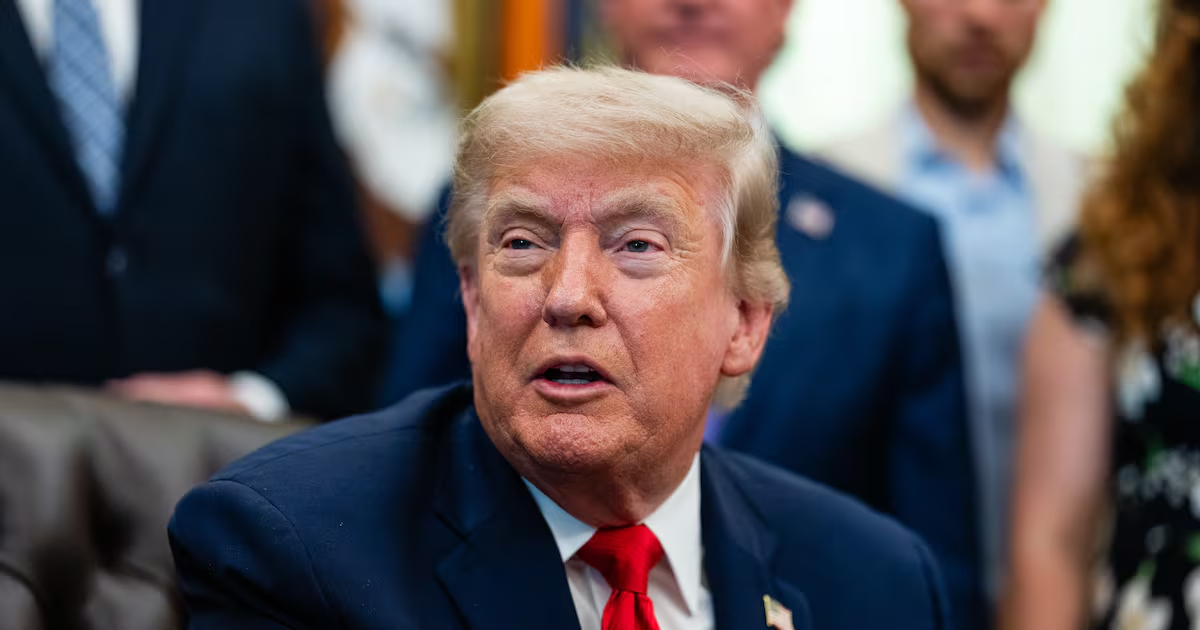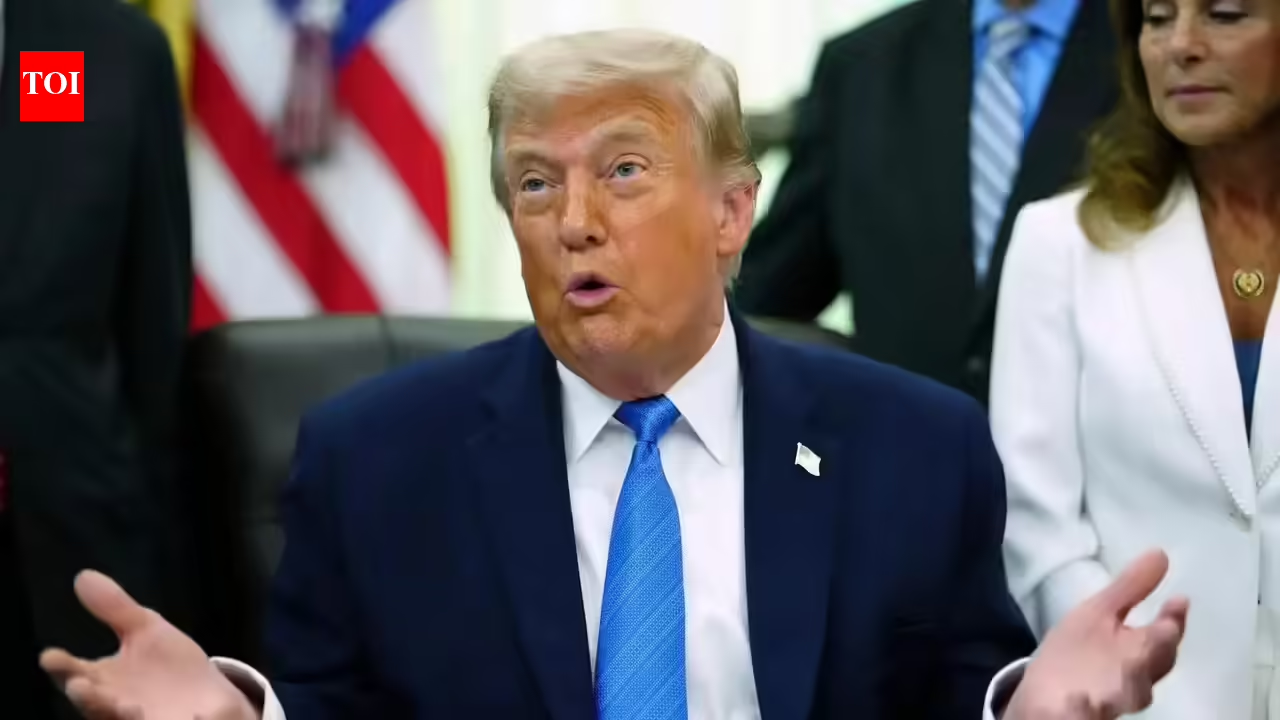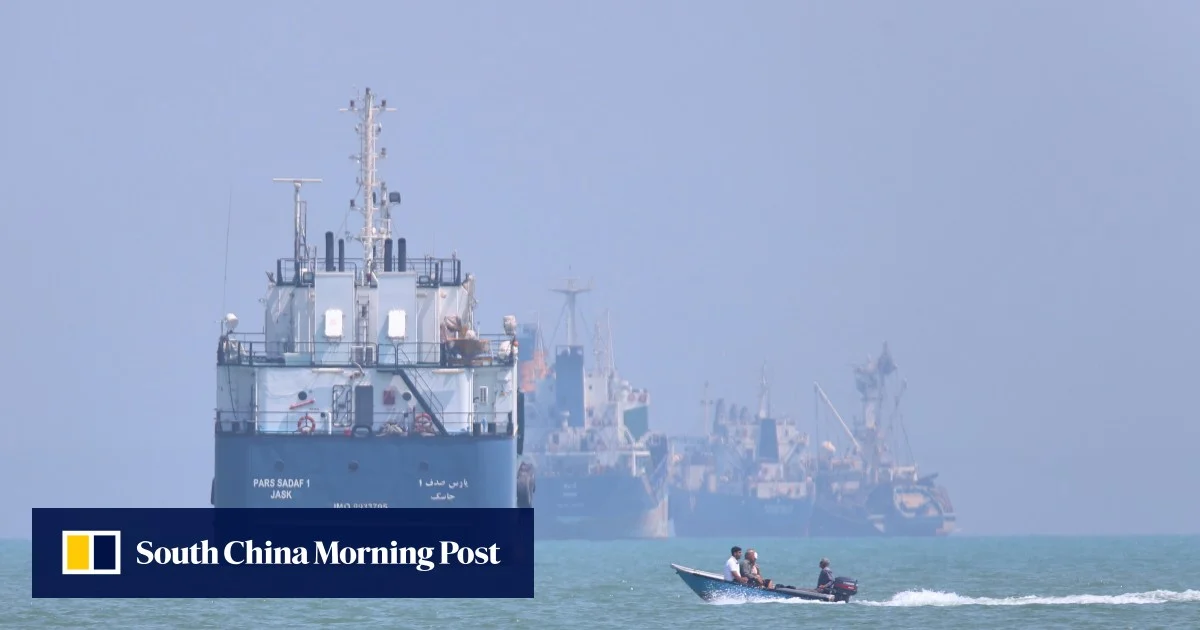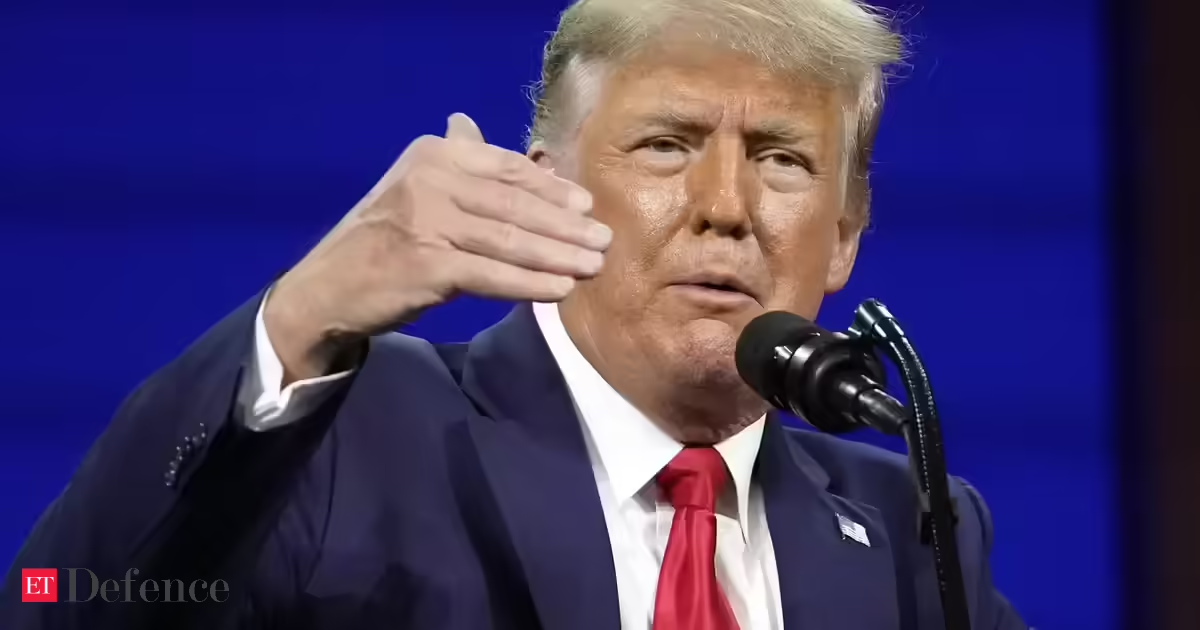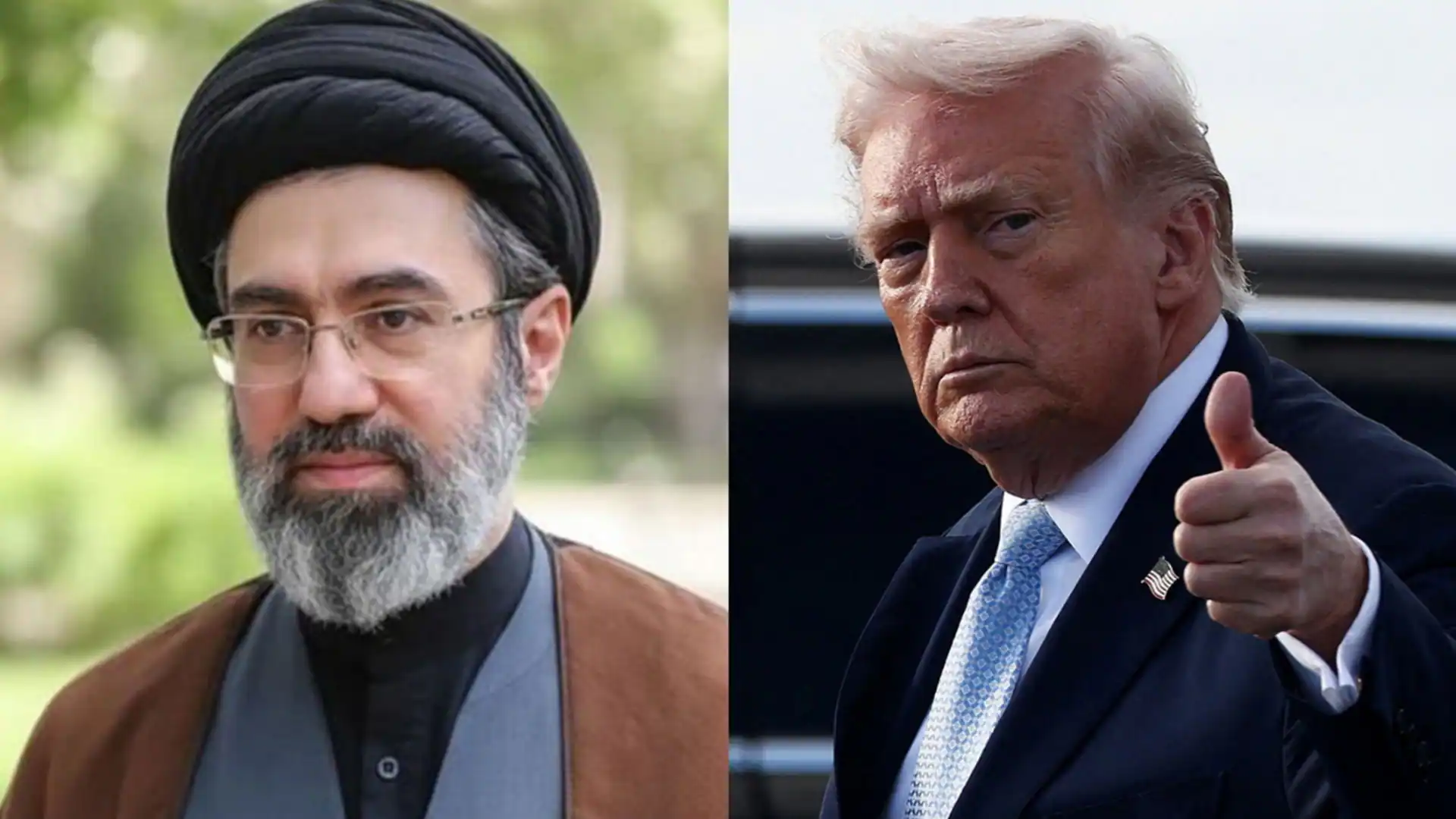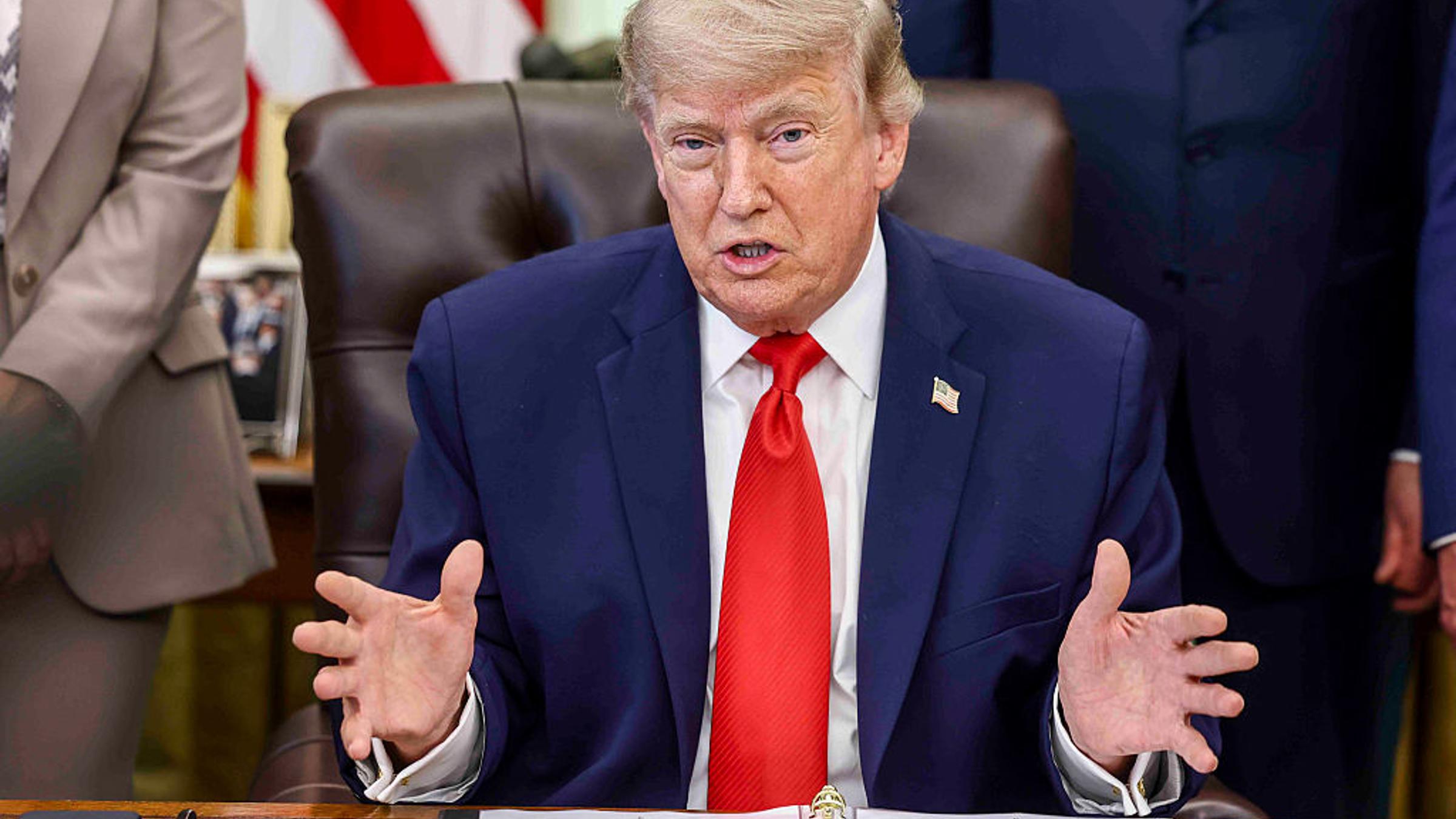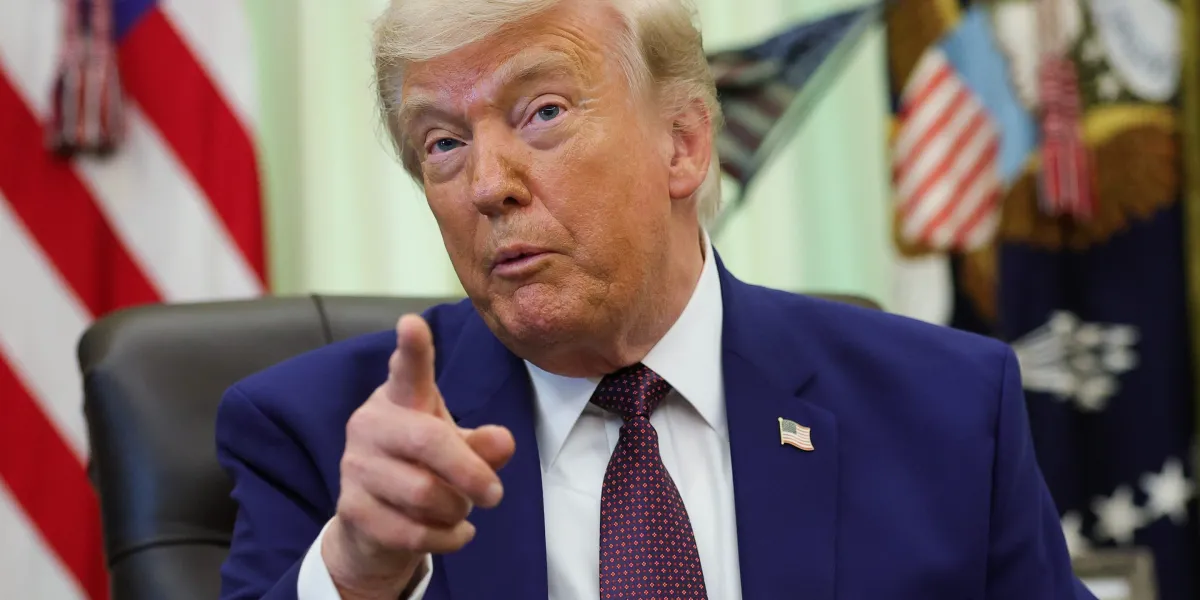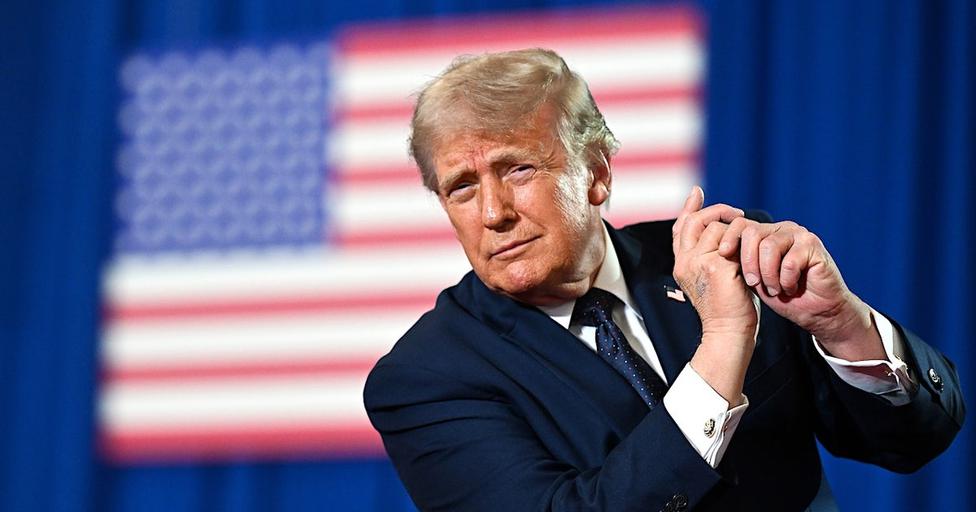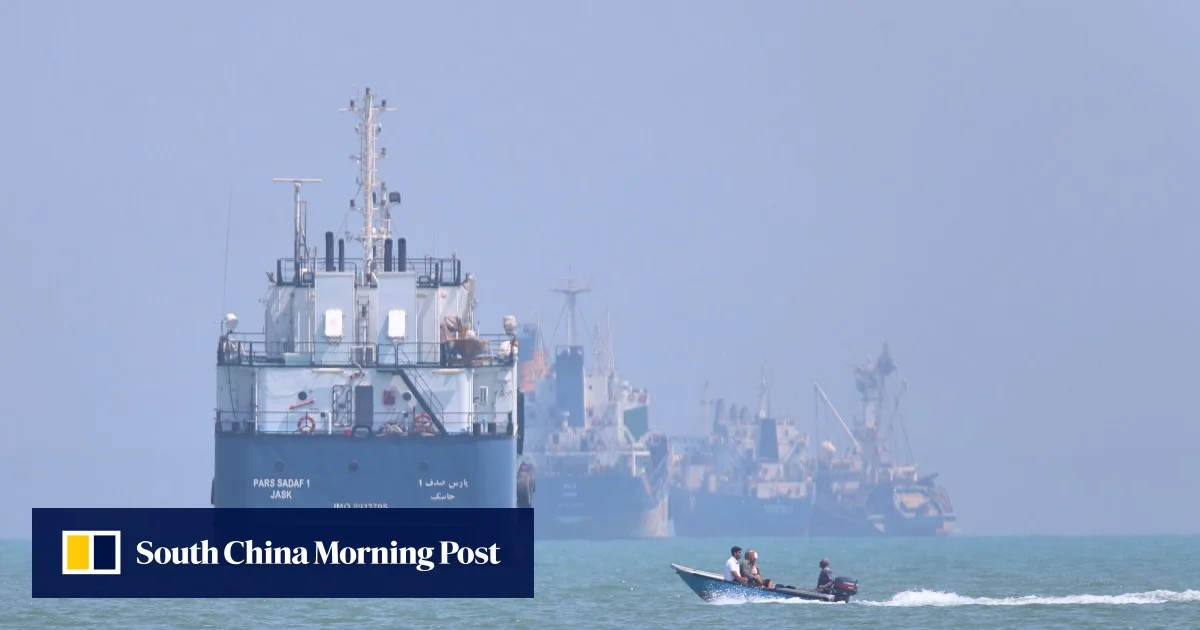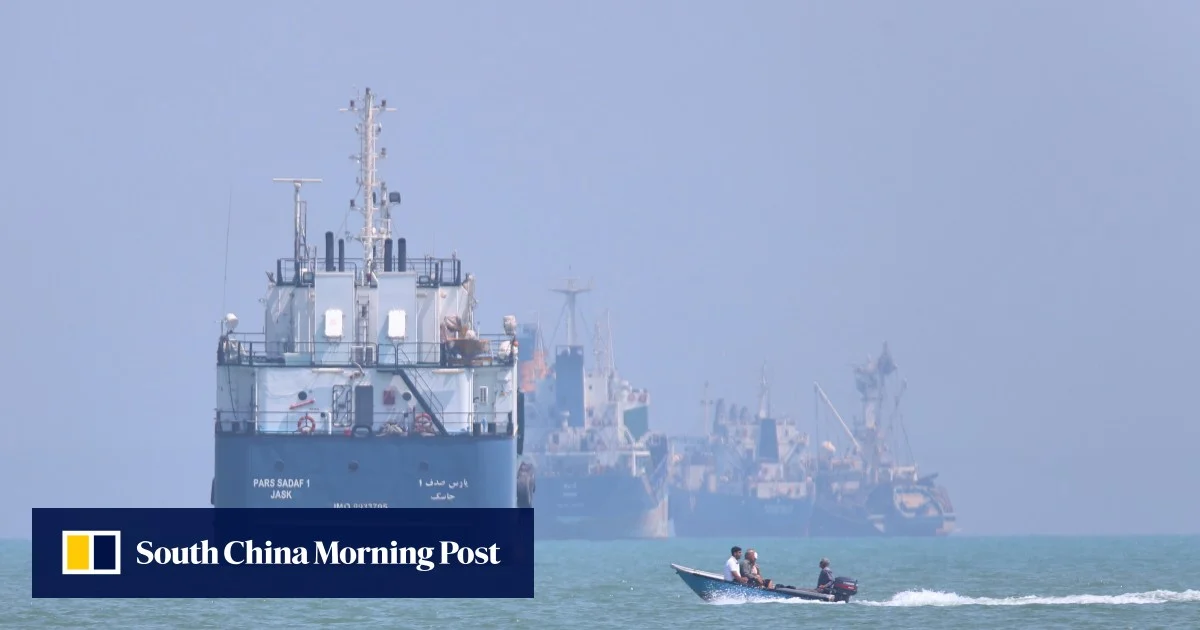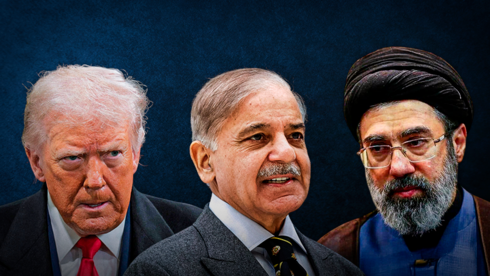
U.S. President Donald Trump said the United States had completed a deal with Iran and authorized the reopening of the Strait of Hormuz and the removal of a U.S. naval blockade.“The deal with the Islamic Republic of Iran is now complete. Congratulations to all!” Trump wrote on Truth Social.3 View gallery US President Donald Trump, Pakistani Prime Minister Shehbaz Sharif, Iranian Supreme Leader Mojtaba Khamenei (Photo: Anna Moneymaker / AFP, ATTA KENARE / AFP, Sputnik/Alexander Kazakov/Pool via REUTERS)Trump said he had “fully” authorized the toll-free opening of the Strait of Hormuz, a key global shipping route for oil, and the immediate lifting of the U.S. naval blockade. “Ships of the world, start your engines. Let the oil flow!” he wrote.Pakistani Prime Minister Shehbaz Sharif said shortly earlier that the agreement would end military operations on all fronts, including Lebanon, with a formal signing set for June 19 in Switzerland.“With the agreement now in place, mediators will facilitate a series of meetings this week,” Sharif said, adding that the talks would lay the groundwork for technical discussions and the official signing ceremony.The call took place shortly before Trump posted on Truth Social that his emerging agreement with Iran was “a wall” preventing Tehran from obtaining nuclear weapons. After the call ended, the cabinet meeting resumed. Defense Minister Israel Katz also spoke with his U.S. counterpart, Secretary of War Pete Hegseth.3 View gallery Netanyahu wants to meet Trump after his return from Europe to press concerns over Lebanon, Hezbollah and the emerging Iran deal Trump later praised Victoria Coates of the Heritage Foundation and wrote that “Iran will never have a Nuclear weapon, and the Strait of Hormuz will be opening up for business very shortly.”In a separate post, Trump sharply attacked Democratic Sen. Jack Reed of Rhode Island, who had argued that the emerging agreement with Iran was not as good as the nuclear deal signed under former President Barack Obama.“Senator Jack Reed, a Dumocrat from R.I., lied when stating the the Deal we just made is not as good as the Obama disaster known as the JCPOA,” Trump wrote, using his misspellings. “Reed is either an outright fraud, or incompetent.”“The Obuma Deal was a road to a Nuclear weapon for Iran, cash and all, one of the worst and dumbest (hence Dumocrats!) Deals ever made by the U.S.,” Trump added. “Our Deal is a WALL against Iran ever having a Nuclear weapon, the complete opposite of Obuma. Impeach Jack Reed!”At the same time, a diplomatic source familiar with the details told CNN that Qatari mediators remained in Tehran “to make sure the talks on the U.S.-Iran deal remain on track.” The source said their presence in the Iranian capital was coordinated with the United States.Earlier, Trump said he expected the agreement to be signed Sunday. Iranian state media, however, reported that Tehran had not yet made a final decision on the proposed framework, and that the Qatari mediators had arrived in Iran earlier in the day to help finalize the terms.The uncertainty came as Ali Akbar Velayati, an adviser to Iran’s supreme leader, threatened on X that “zero hour is approaching” and that “the launchers are ready.” Velayati added that if Israel’s “adventurism” in Lebanon does not stop, the Strait of Hormuz and Bab el-Mandeb “will choke your economic arteries to the point of strategic suffocation.”3 View gallery The Israeli strike in the DahiehTwo Western sources told Channel 12 News that intensive negotiations were underway between the United States and Iran in an effort to prevent Tehran from firing missiles at Israel. Sources familiar with the talks and Iran’s preparations for possible missile fire said Tehran was considering suspending the launches for an unknown period of time.According to the sources, the crisis has led Trump to seriously consider offering Iran a significant incentive in the sequencing of the agreement’s implementation. One possibility under discussion is an immediate lifting of the naval blockade on Iran and the Strait of Hormuz, rather than a gradual reciprocal process, as had been agreed so far. Such a move would depend on Iran abandoning its plan to attack Israel.Trump also sent firm messages to Iran, warning that if Tehran attacks, leading to an Israeli response and then another Iranian response, and the negotiations collapse, he would hold Iran responsible.The phone call came as an Israeli official told CNN that Netanyahu wants to hold an urgent meeting with Trump after the president returns from the G7 summit in Europe, or around that time.The official said Netanyahu wants to clarify Israel’s positions in the talks with Iran, particularly its concern that the emerging arrangement could restrict the IDF’s freedom of action against Hezbollah in Lebanon. Israel is also concerned that the U.S.-Iran deal taking shape could ease economic pressure on Tehran without addressing its nuclear program, thereby helping stabilize the Iranian regime at a time when Israel is seeking to weaken it.Iran, meanwhile, accused Washington of direct responsibility for what it called Israeli violations of the ceasefire in Lebanon. Iran’s Foreign Ministry said, according to Reuters, that it held the United States “directly responsible” for Israel’s actions in Lebanon and views Washington and Jerusalem as responsible for the consequences of any regional escalation.Trump’s pressure on both sides followed an unusually sharp rebuke of Israel earlier Sunday. He said the deal could be signed within two to three hours and told Fox News that he had warned Netanyahu not to conduct further strikes.Trump said he told Netanyahu: “What the f**k are you doing?” and said he instructed the prime minister not to carry out any more strikes.Axios later reported that Trump said the U.S.-Iran deal to end the war remained on track for Sunday, despite Iran’s threat to retaliate.“It shook it up. It delayed the signing by a few hours. It was supposed to be now. Now it is scheduled for a few hours from now,” Trump told Axios.Trump said he was shocked when advisers briefed him on the Israeli operation, which came shortly before the planned signing.“It is so bad — I couldn't believe it. An hour before we are supposed to sign the deal,” he said.Trump acknowledged that Hezbollah had attacked Israel first, but stressed that the attack caused no damage and that no one had been killed.“Why did Bibi have to do a fucking attack? I was so pissed off. I let him know. He has no fucking judgement. I let him know that,” Trump said.The U.S. pressure has deepened anger in Jerusalem, where officials said Washington was effectively asking Israel to absorb Iranian fire without responding.“Trump is normalizing fire at Israel,” one Israeli official said.Israeli intelligence assessments presented to the political echelon found a significant possibility that Iran would fire missiles at Israel, officials said. The United States is trying to persuade Tehran to avoid an attack or limit its scope in order to contain the crisis, while also pressing Israel not to retaliate if Iran does respond.Israeli officials said the U.S. position was unfair and did not reflect the way an ally should be treated. They said Washington was ignoring repeated Hezbollah violations of Israeli sovereignty and tying Israel’s hands in the face of ongoing fire.Officials in Jerusalem said Trump had demanded that Netanyahu not only halt fire in Lebanon but also begin a withdrawal. Netanyahu rejected the demands, they said.Israel also pushed back against U.S. claims that it had acted to disrupt a pending agreement with Iran. Officials said the operation targeted Hezbollah infrastructure after drones were fired into Israel, including near the western Galilee community of Shlomi.“When the Iranians downed an American helicopter, Trump ordered a harsh response even though there were no casualties,” one Israeli official said. “Why is what is allowed for the United States forbidden to Israel?”The immediate question now is whether Iran accepts the U.S. incentives and holds its fire, or proceeds with the missile attack it has threatened, potentially setting off another round of Israeli retaliation and jeopardizing the diplomatic push.
Trump says US-Iran deal complete, Strait of Hormuz reopened
US president says he had 'fully' authorized toll-free opening of waterway, and immediate lifting of US naval blockade; Pakistan says agreement would halt military operations on all fronts, with mediators preparing technical talks ahead of June 19 signing in Switzerland
TL;DRAI
Trump announces completion of US-Iran deal: Strait of Hormuz reopened, naval blockade lifted, signing June 19 in Switzerland. Signals geopolitical stability reducing energy price volatility—critical for IT budget planning and infrastructure cost predictability.
1,325 words~6 min read