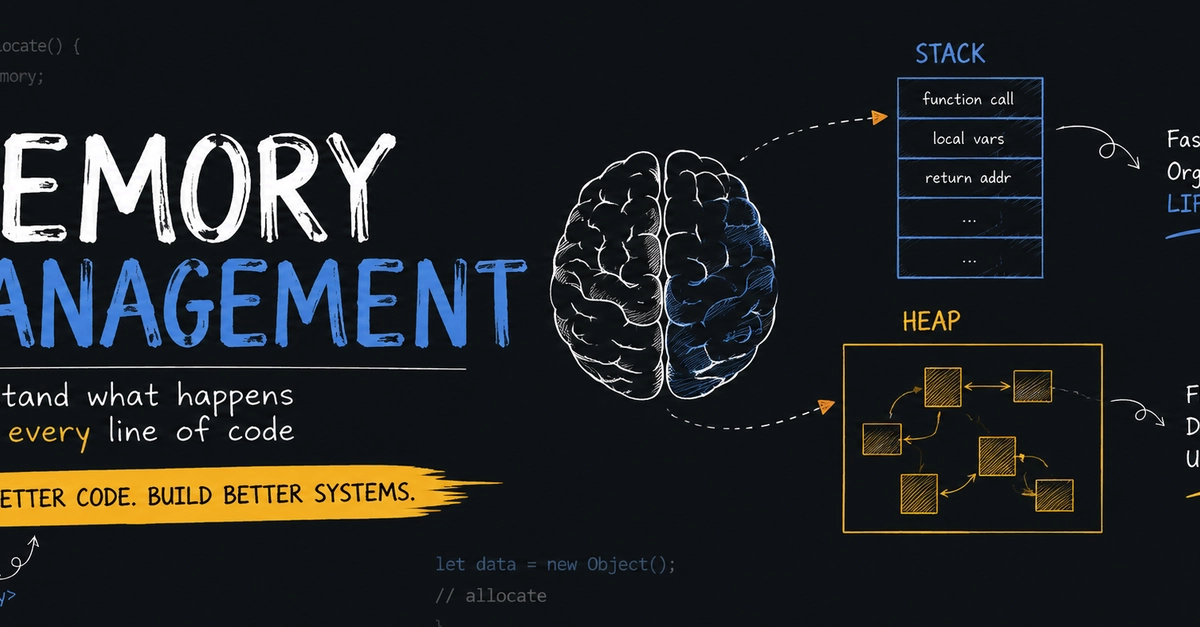
Python is known for being simple, readable, and developer-friendly. One of its biggest advantages is automatic memory management, which means developers usually do not need to manually allocate or release memory.
However, this does not mean Python applications are completely safe from memory leaks.
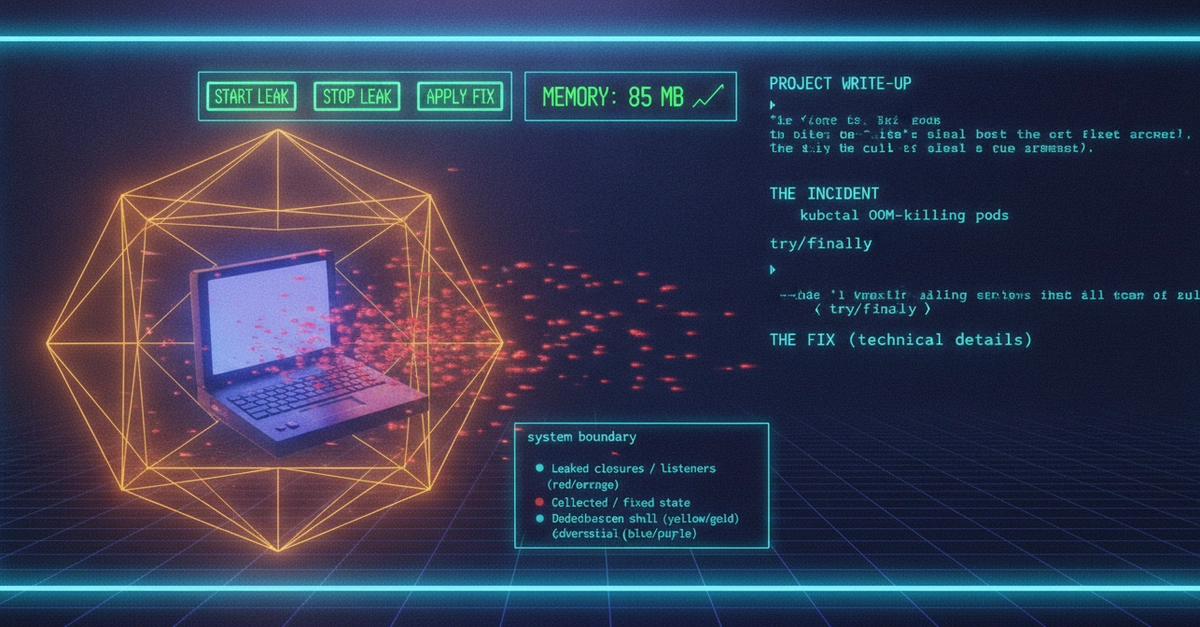
A memory leak happens when a program keeps holding memory that is no longer needed. Over time, this can make the application slower, consume more RAM, and even crash in production.
Why Do Memory Leaks Happen in Python?
Python has a garbage collector that automatically removes unused objects. But memory leaks can still happen when references to objects remain active even though the data is no longer useful.