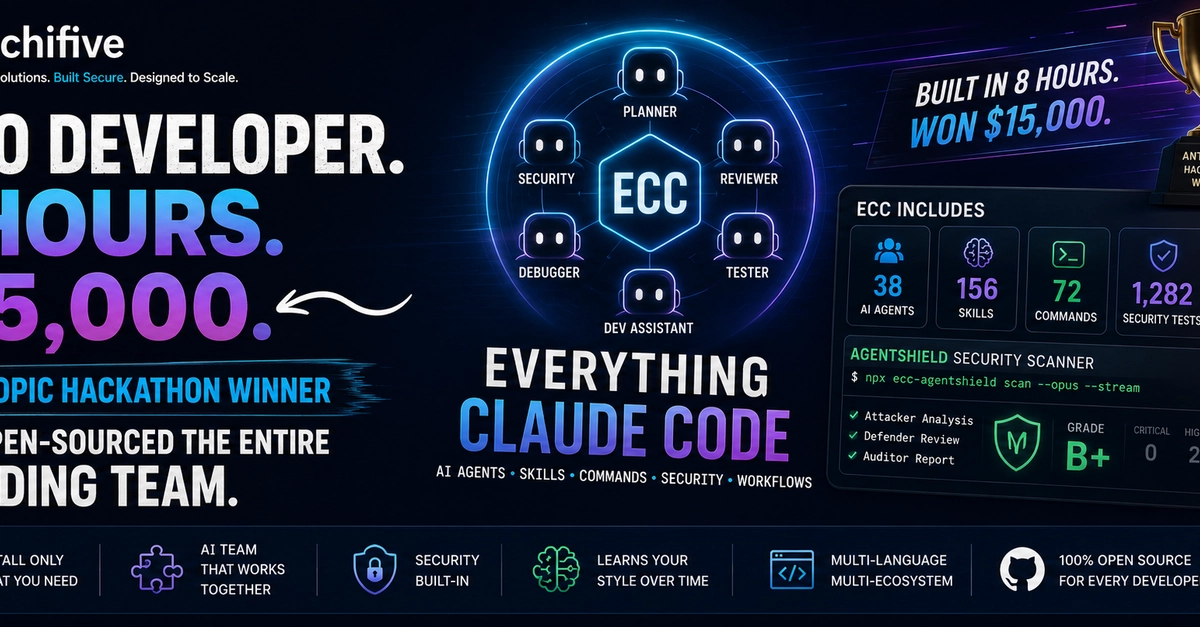
Claude Code started as a terminal coding assistant. It now runs as a layered agentic system. Underneath, Claude Code separates memory, hooks, skills, subagents, plugins, and MCP into distinct layers. Each layer changes what the model can see or do.
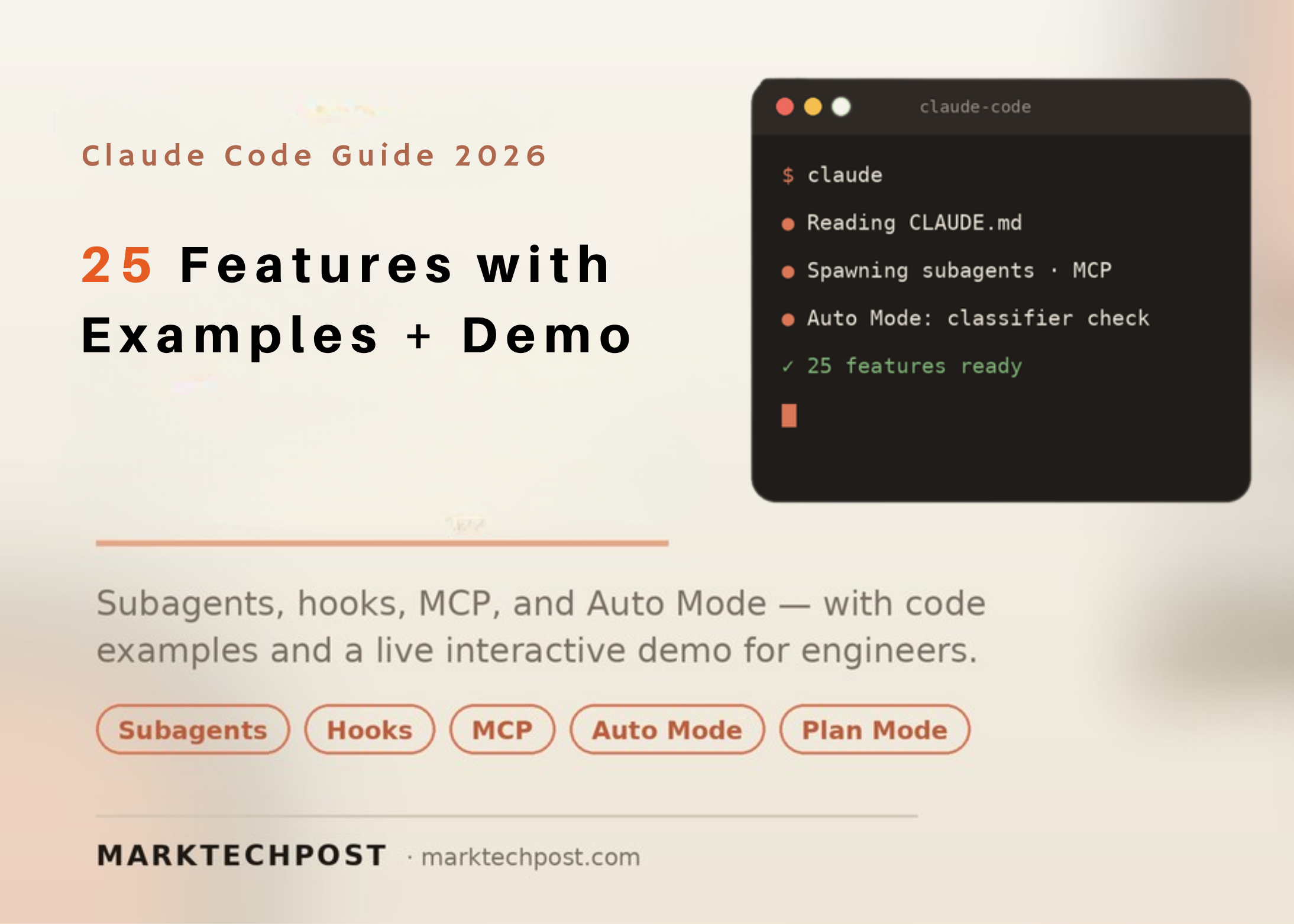
This article covers 25 features and strategies for scaling Claude Code. It is written for AI engineers, software engineers, and data scientists. Every code example follows a documented format and runs as written. Each item is labeled by status, so you know what ships with Claude Code and what does not.
What is Claude Code
Claude Code is Anthropic’s agentic coding tool. It works in the terminal, the desktop app, and your IDE. It can read files, run commands, edit code, and call external tools. Under the hood, it runs an agentic loop. That loop chooses tools, accumulates context, and manages long sessions through compaction.
Safety boundaries come from permission modes, checkpoints, sandboxing, and managed settings. The same loop is exposed programmatically through the Agent SDK. Developers extend the tool with a small set of primitives. Those primitives are CLAUDE.md, skills, subagents, slash commands, hooks, and MCP servers. Plugins bundle these primitives into one installable unit.