The week opened in the red, extending prior declines, as the tech sector saw a large sell-off. Risk-off sentiment was further strengthened by CPI and PPI data, with both headline consumer and wholesale inflation indexes showing the heavy impact of recent oil price surges. Meanwhile, core CPI and core PPI – which exclude food and energy – came in lower than expected, painting a healthier economic picture than seen at first glance.
At the same time, the University of Michigan’s preliminary June consumer sentiment index edged up from May’s lows, while long-term inflation expectations declined as consumers saw some relief from easing gasoline prices. All in all, the macro data may not support a near-term rate cut, but it also doesn’t point to a hike. Bets on Fed rate increases this year have plunged, aided by new Chair Kevin Warsh’s views.
Warsh has argued that the AI boom will serve as a powerful disinflationary force through massive productivity gains. This tech-driven efficiency could enable faster U.S. economic growth without reigniting inflation, giving the Fed more room to ease policy. It appears the world’s most important central bank is finally adapting to the AI revolution.
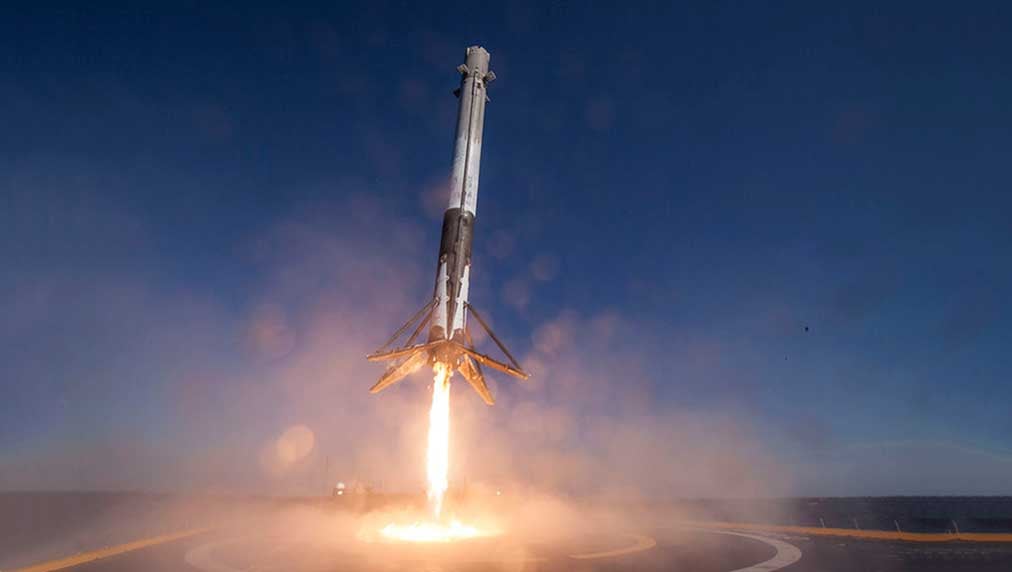
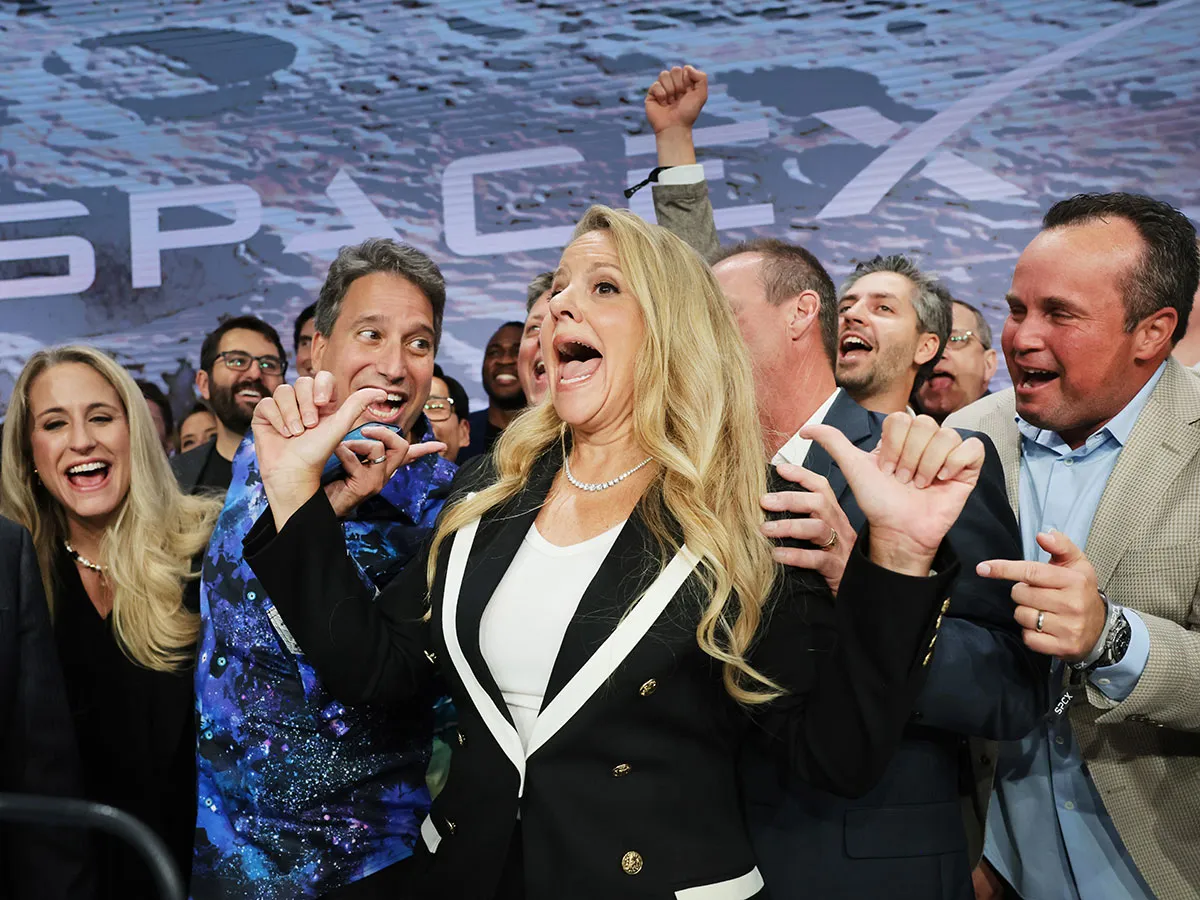
Beyond the macro backdrop, volatility in U.S.-Iran negotiations – with contrasting messages from both sides – tested market nerves. Sentiment brightened by Friday, however, as President Trump signaled an imminent deal. Elon Musk arguably lifted spirits even more with SpaceX’s historic public offering.