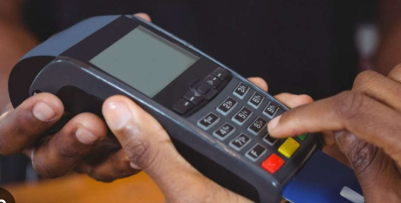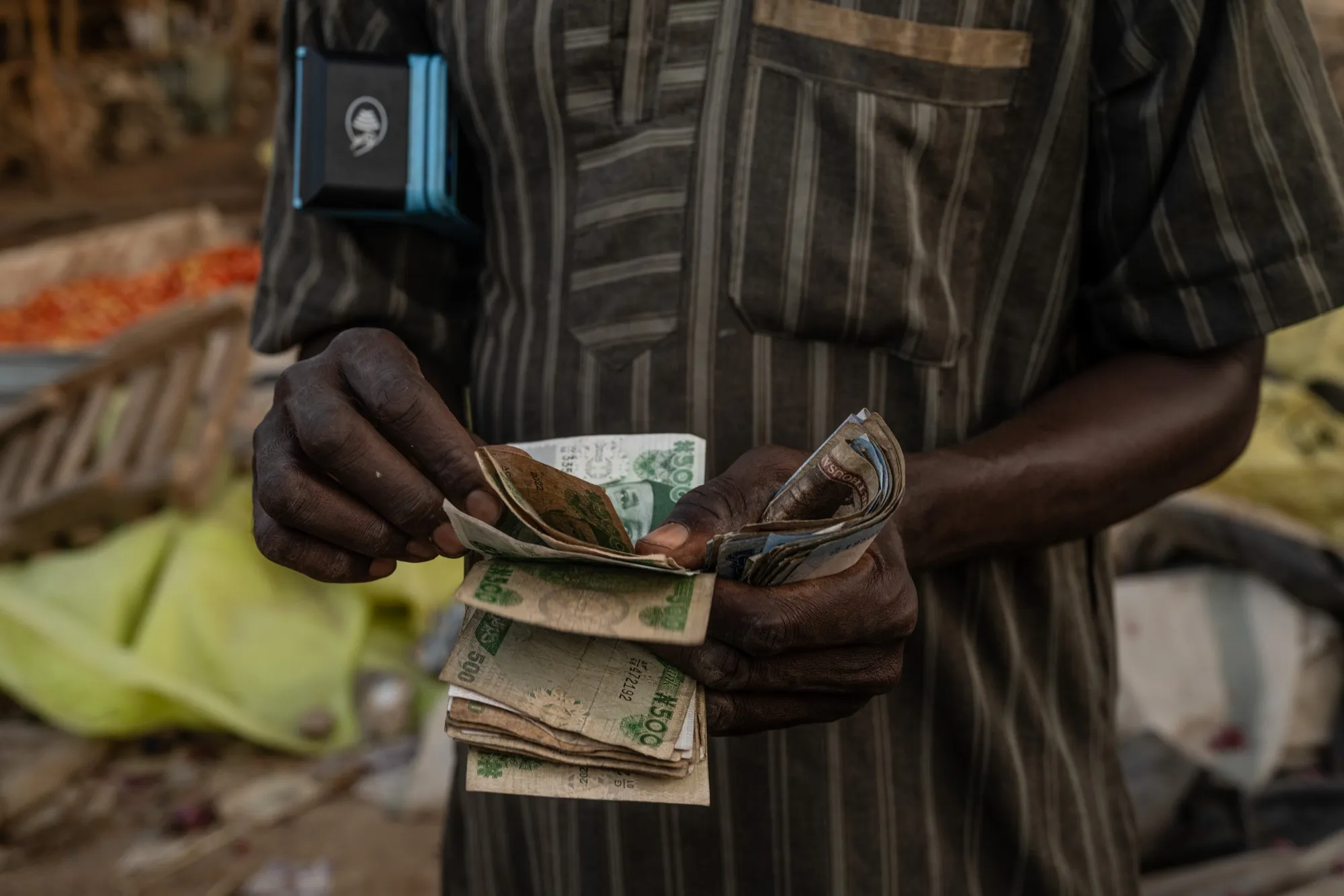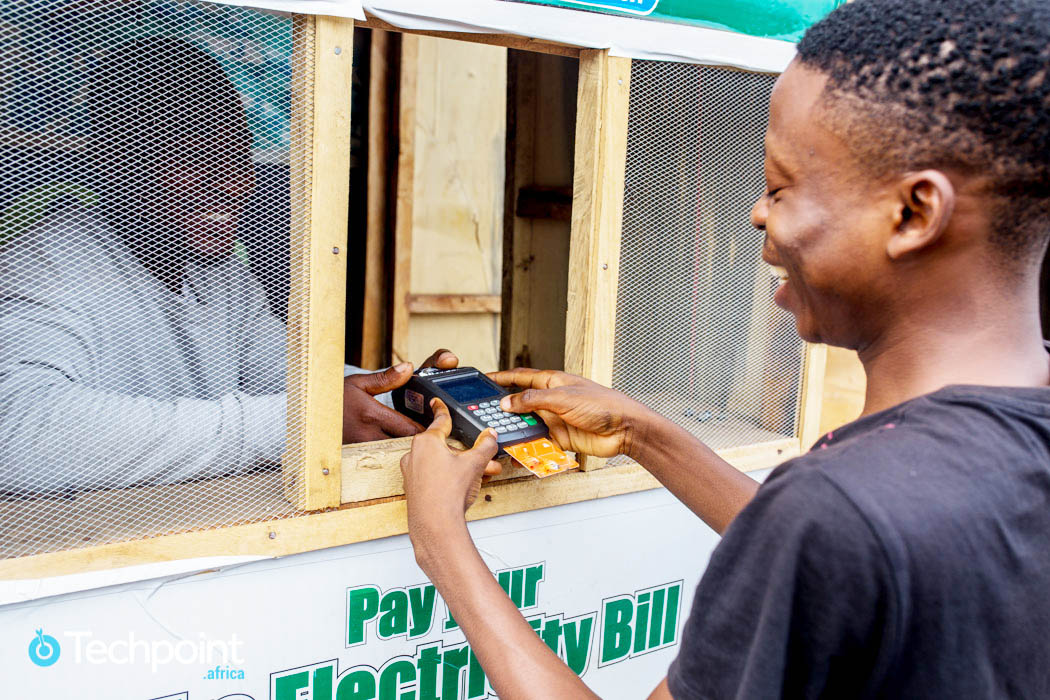
Step outside your home in Lagos, Kano, or Port Harcourt, and walk twenty meters. Under a frayed umbrella, seated on a plastic chair with a small banner, you will find a “POS operator.” These operators are the capillaries of Nigeria’s cash-dependent economy, pumping naira notes into the hands of millions. When commercial bank branches shrank, and automated teller machines (ATMs) consistently ran dry, these retail entrepreneurs stepped in. They brought financial services within reach of the poorest farmer and the busiest market woman, effectively humanising fintech for tens of millions of citizens.
But today, the street-corner cash merchants are facing a perfect storm. What was once a highly lucrative blue-ocean opportunity has devolved into a hyper-competitive race to the bottom. Estimates suggest Nigeria now has well over 1.5 million mobile money agents, possibly more than the entire West African sub-region combined.
Walk down any street in an urban hub, and you will see four, five, or six operators clustered within shouting distance of each other, thin-slicing margins that are already compressed by platform fees. When multiple neighbours on the same street split the daily traffic, revenue per operator crashes. Many now earn less than the minimum wage, and the dream of easy money is fading.