By Akintayo Eribake
Over the years, technology has changed the way Nigerians handle money. Today, many people no longer need to visit a bank to send money, pay bills, buy airtime, or receive payments. With a mobile phone, many financial transactions can now be completed within minutes.
As Nigeria’s economy becomes more digital, the focus is no longer only on bringing people into the banking system. The bigger challenge now is ensuring these services remain reliable, safe, and available to tens of millions of people every day.
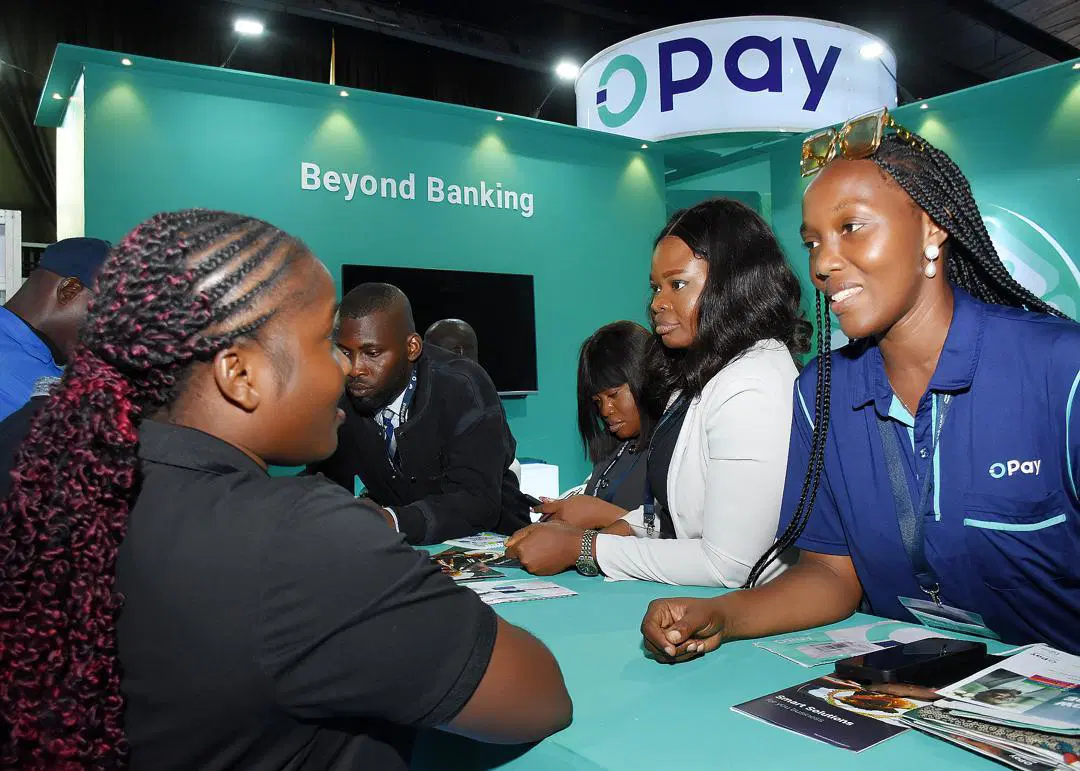
One company playing a major role in this transformation is OPay. What started as a digital payment platform has grown into a service used daily by tens of millions of Nigerians. From market women and business owners to students and salary earners, many people now depend on OPay for their financial needs.
Bringing Financial Services Closer to the PeopleThe Central Bank of Nigeria (CBN) has set a target of ensuring that about 95 per cent of Nigerians have access to financial services by 2028 under a new policy framework titled Payment System Vision (PSV) 2028. To achieve this, more people, especially those living in rural and underserved communities, must be brought into the formal financial system.