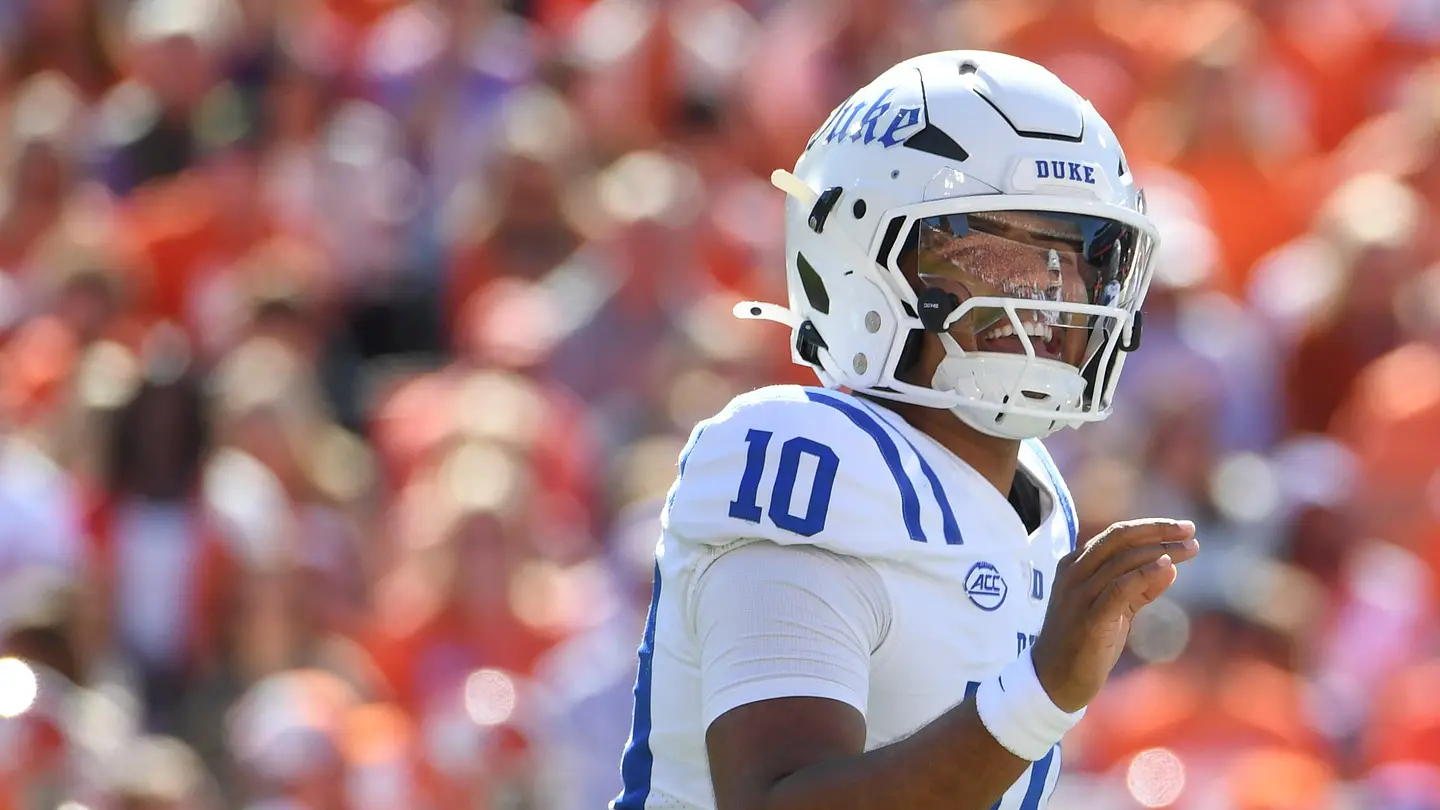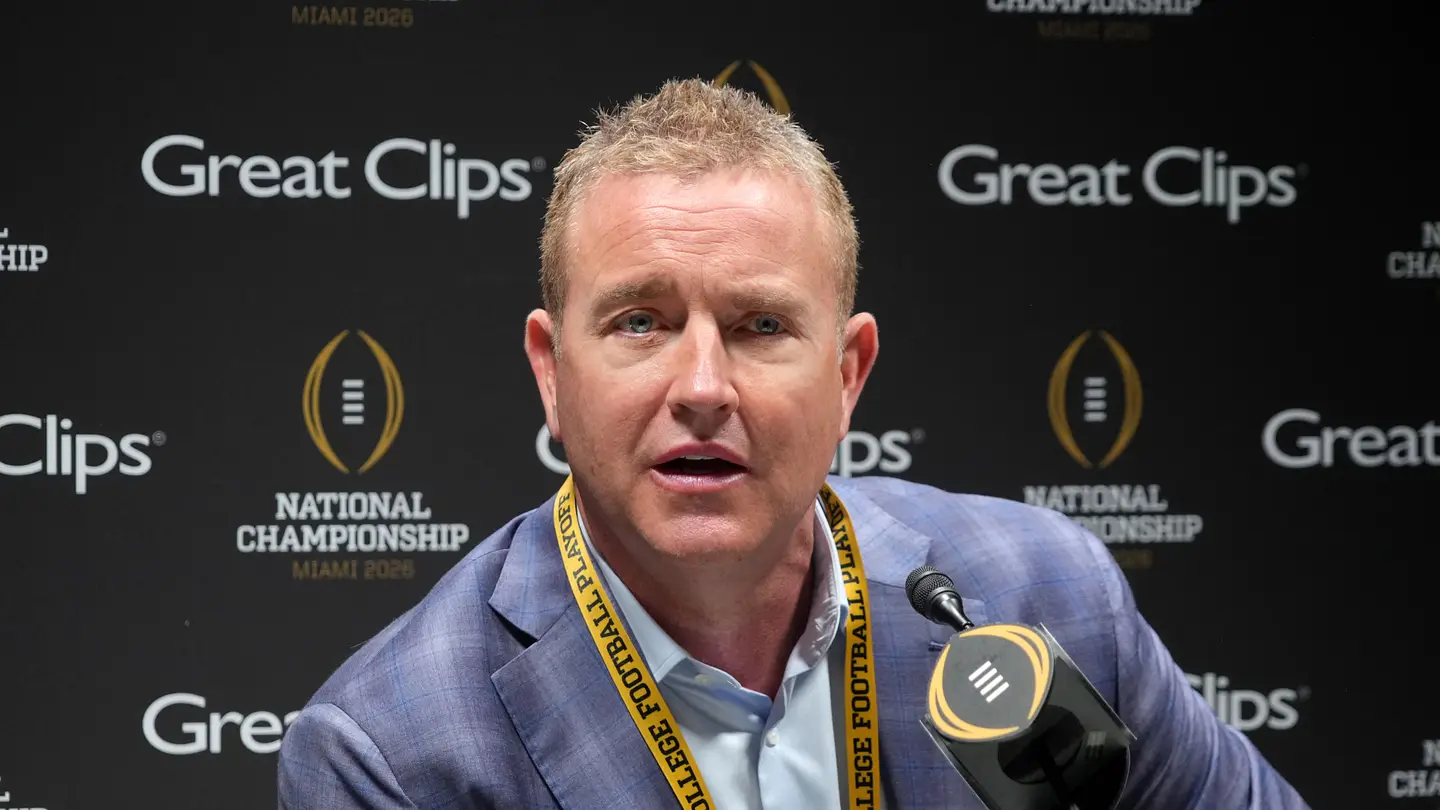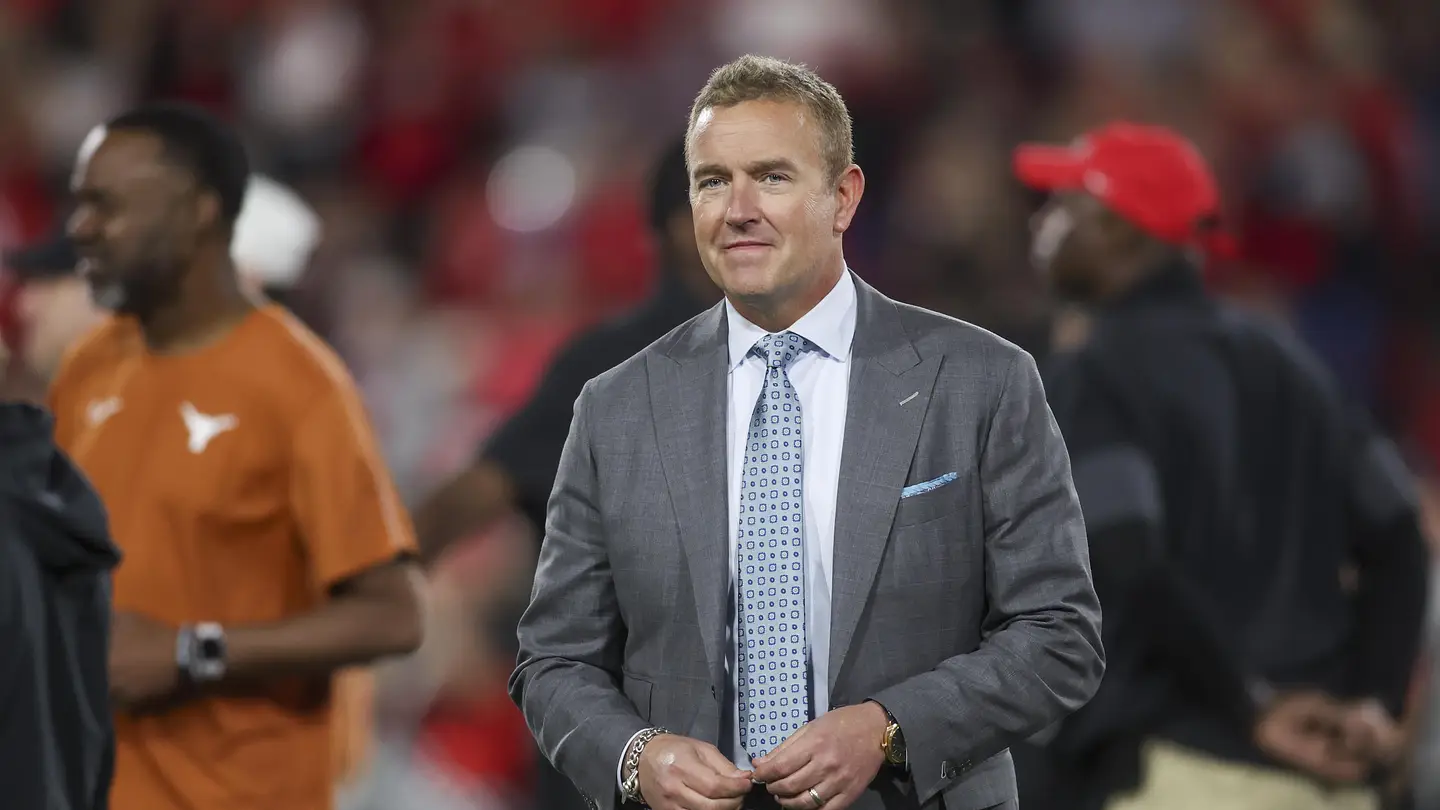
College football has entered into the NIL and transfer portal era.NIL Has Changed College FootballNIL allows collectives to pay athletes legally to come play for their school. This has created a professional-type model without the structure. This has caused some major issues in the sport. One of the big ones is that there is no salary cap; the teams with the wealthiest donors and biggest collectives can outspend other teams, creating an imbalance.However, there has also been some good from NIL. Teams can no longer profit from athletes without the player getting a proper percentage. On top of that, teams can't just stack rosters with tons of talent because players likely won't sit as backups for a top program; instead, they'll transfer and get paid more to play at a different school. Former Duke Blue Devils quarterback Darian Mensah (10) looks to throw in the second quarter. | Bob Donnan-Imagn ImagesKirk Herbstreit Raises Concerns About Player DevelopmentThis new era has allowed players to have empowerment. While that can be good in some cases, ESPN's Kirk Herbstreit revealed on "The Dan Patrick Show" that it can also cause a lot of damage to the athlete."Think about where we were 10 years ago," Herbstreit said. "Players had zero say in anything. We've gone from players having zero say to this player's empowerment. Where now they have all the say... The two biggest issues are the pay-for-play, like you're bribing a kid to come to your school... What are we teaching?... I think we're taking those... life skills away from these kids. I don't think we're thinking we're not preparing these guys for real life."The Challenge Is Fixing NIL Without Eliminating ItHerbstreit is right that this new era is not teaching players proper life skills. He mentioned how what if the player doesn't make the NFL, which a very low percentage of college football players do, and the checks stop coming? What do the players do at that point? Do they have a backup plan? Do they know how to handle life without those NIL checks?In some cases, these players are getting paid a lot of money before doing anything on a college football field. They are getting paid for what they might do. What if the player doesn't live up to the hype?The collectives try to reduce his pay, but then he transfers out. So, now they are teaching them to run when things get tough. They are also teaching them that you will get paid for your potential, and not your resume. Both of which are terrible lessons. The NIL era is not going anywhere. So, the goal shouldn't be to eliminate NIL, but to create a system that balances player compensation with accountability and long-term development.If college football can find that balance, athletes can continue to benefit financially while also gaining the skills and structure needed to succeed long after their playing careers are over. Add us as a preferred source on GoogleFollow
Kirk Herbstreit Reveals Biggest Concern With NIL Era in College Football
Kirk Herbstreit says the NIL era could be limiting important life lessons for college football players.
TL;DRAI
Kirk Herbstreit warns NIL payments in college football lack accountability, teaching athletes to expect compensation for potential rather than results. The model mirrors tech talent risks: hiring for promise without earned delivery creates underperforming organizations.
493 words~2 min read