This content was published on
June 15, 2026 - 00:06
4 minutes
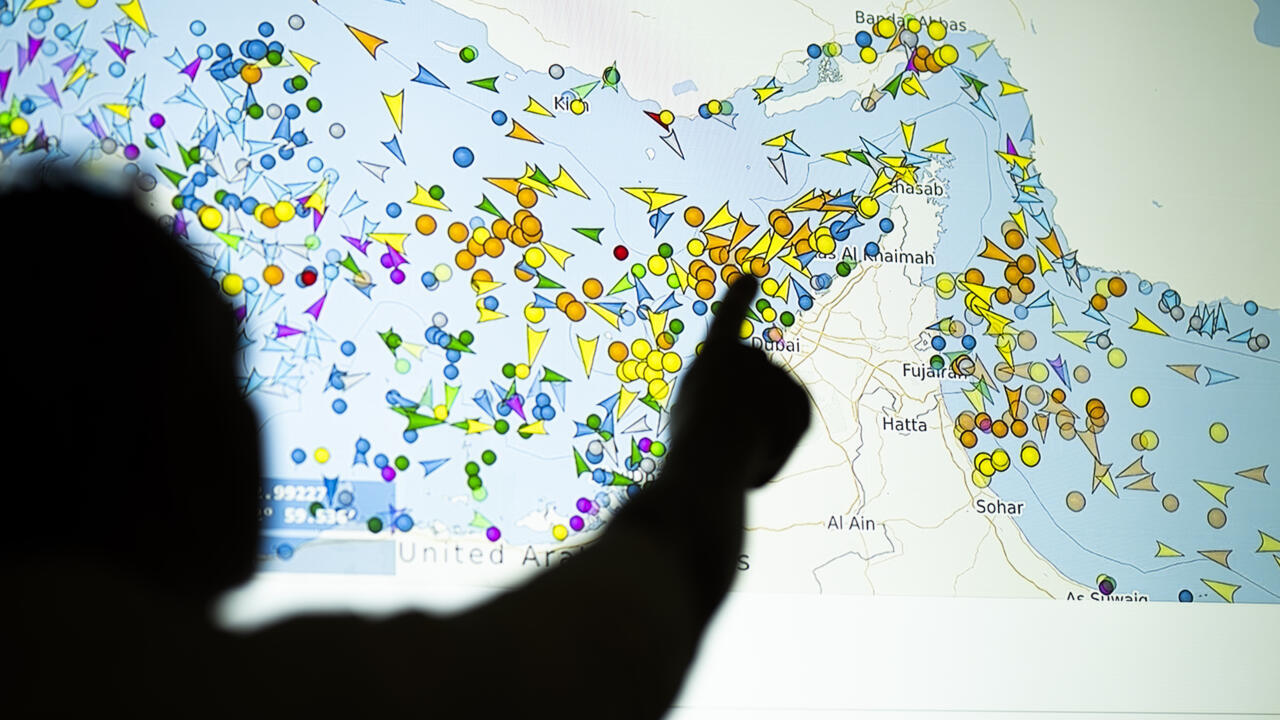
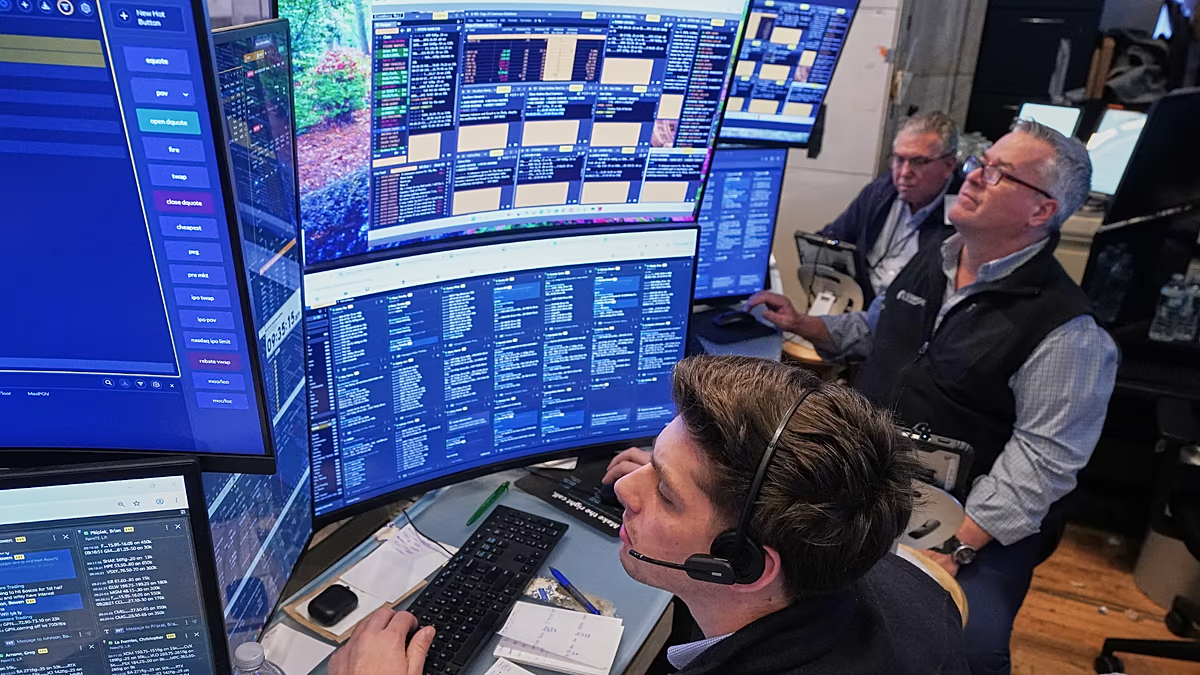
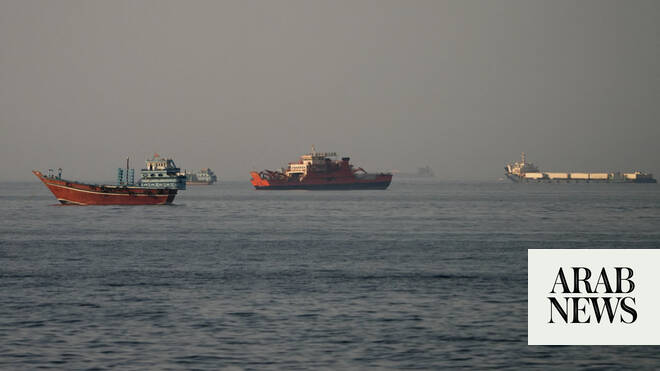
(Bloomberg) — US equity futures climbed, oil slumped and the dollar fell after President Donald Trump and Pakistani mediators said the US and Iran had reached a peace agreement that would reopen the Strait of Hormuz.S&P 500 futures rose 0.8% in early Asian trading, while the dollar declined against major peers. Brent crude fell more than 3% toward $84 a barrel, after closing last week at the lowest in more than three months, while West Texas Intermediate was near $81.Trump said the deal with Iran is now complete, in a post on Truth Social, adding that he is authorizing the “toll free opening” of the Strait. Pakistani Prime Minister Shehbaz Sharif announced the deal in a post on X, saying both sides had declared the “immediate and permanent termination of military operations.” The agreement would be signed in Switzerland on June 19, Sharif said.The deal includes the end of military operations in Lebanon, a key sticking point for talks, Sharif said. Iran had earlier heavily criticized Israeli attacks on Hezbollah sites in Lebanon’s capital, which came after Hezbollah fired projectiles on northern Israel.Neither side released a text of the deal but its broad contours had circulated for days: The US and Iran will end their competing blockades of Hormuz, one of the world’s busiest waterways. They agreed not to attack each other and to start negotiations to dismantle Iran’s nuclear program. Iran will get relief from sanctions targeting its overseas oil sales.Meanwhile, Anthropic disabled access to its most advanced models following an order by the US government to suspend access to the Fable 5 and Mythos 5 models by any foreign national, citing national security concerns. Never before has the US taken such sweeping measures to rein in foreign access to frontier AI models developed by an American company.“In isolation it would have been a negative” for sentiment in Asia, said Tony Sycamore, an analyst at IG Markets in Sydney, “but probably overshadowed now by peace deal news, at least initially.”Traders also await a swath of central bank decisions this week as the energy price from the Middle East war shock feeds into consumer prices and crimps growth.In Asia, the Reserve Bank of Australia is expected to keep its policy rate unchanged at the end of its two-day meeting on Tuesday while the Bank of Japan may hike its rate to 1%, a level last seen in 1995. Bank Indonesia could lift the BI-rate again, according to a Bloomberg survey, after an out of cycle move last week to support its currency.The Federal Reserve also meets for the first time under new chair Kevin Warsh. If there’s a convincing message that the Fed is willing to shift back into inflation-fighting mode, Wall Street will likely be reassured about Warsh’s commitment to maintaining the bank’s political independence. The dot-plot will also be a gut check for investors betting on a rate hike later this year.“A hawkish Fed hold should support the US dollar, but Warsh risks spoiling the dollar bull party,” Elias Haddad, global head of markets strategy at Brown Brothers Harriman, wrote in a note to clients. Markets will focus on whether Warsh “joins the majority in keeping rates on hold or dissents for a cut, becoming the first Fed Chair in history to be outvoted on policy.”Some of the main moves in markets:StocksS&P 500 futures rose 0.8% as of 7 a.m. Tokyo time CurrenciesThe euro rose 0.3% to $1.1605 The Japanese yen rose 0.3% to 159.81 per dollar The offshore yuan was little changed at 6.7592 per dollar The Australian dollar rose 0.5% to $0.7082 CryptocurrenciesBitcoin rose 2.1% to $65,341.42 Ether rose 3.1% to $1,721.8 CommoditiesWest Texas Intermediate crude fell 3.4% to $81.99 a barrel This story was produced with the assistance of Bloomberg Automation.©2026 Bloomberg L.P.