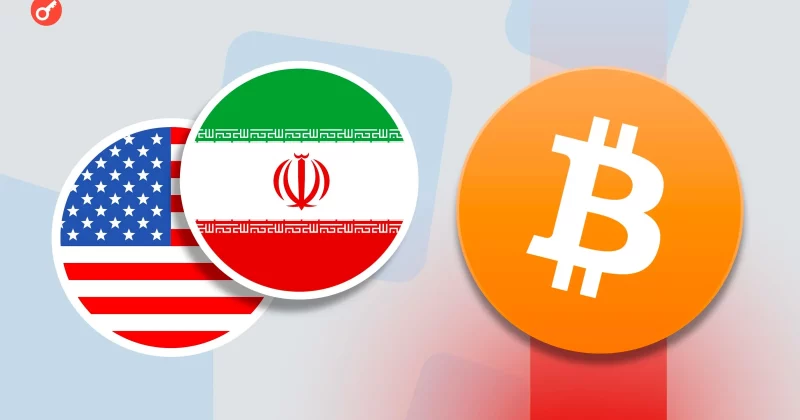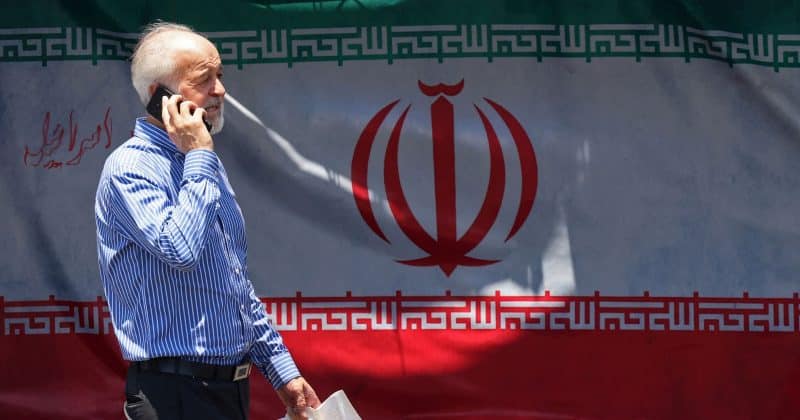
The US and Iran have agreed to stop fighting after more than three months of open conflict, a war that disrupted global oil flows, rattled energy markets, and quietly turned cryptocurrency into a geopolitical instrument.
The deal, mediated by Pakistan, includes the reopening of the Strait of Hormuz, the lifting of the US naval blockade, and phased steps to address Iran’s nuclear program, including the dilution of enriched uranium. Bitcoin jumped roughly 3% on June 14, trading in the $77,000 to $82,000 range as traders digested the news.
How crypto became a wartime currency
During intermittent ceasefires throughout the war, Iran accepted Bitcoin and stablecoins like USDT as toll payments for vessels transiting contested waters. The cost ran up to $2 million per vessel, roughly $1 per barrel of oil passing through.
The Strait of Hormuz handles approximately 20% of global seaborne oil. When that chokepoint shut down in late February, the ripple effects hit everything from European fuel prices to Asian manufacturing costs.