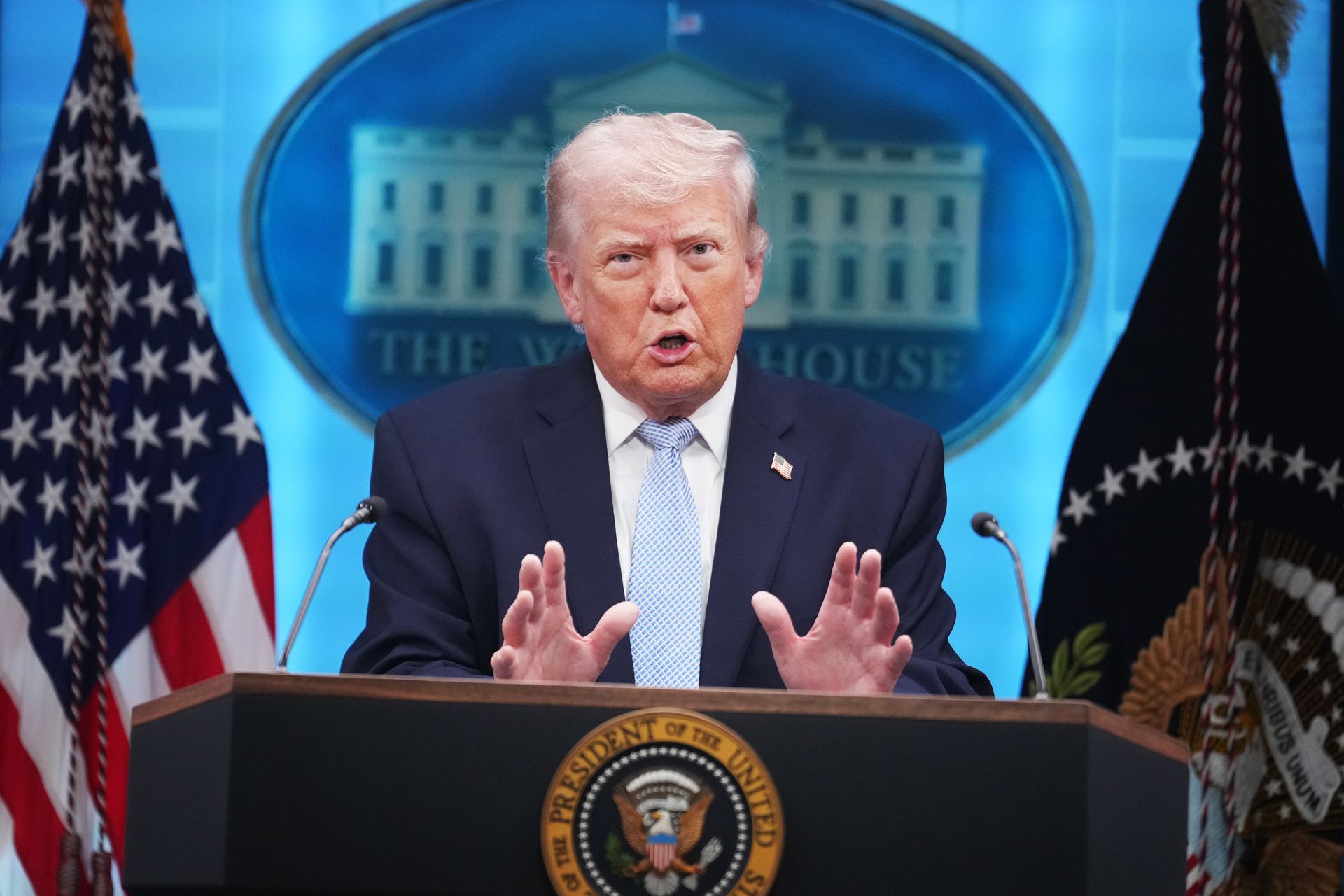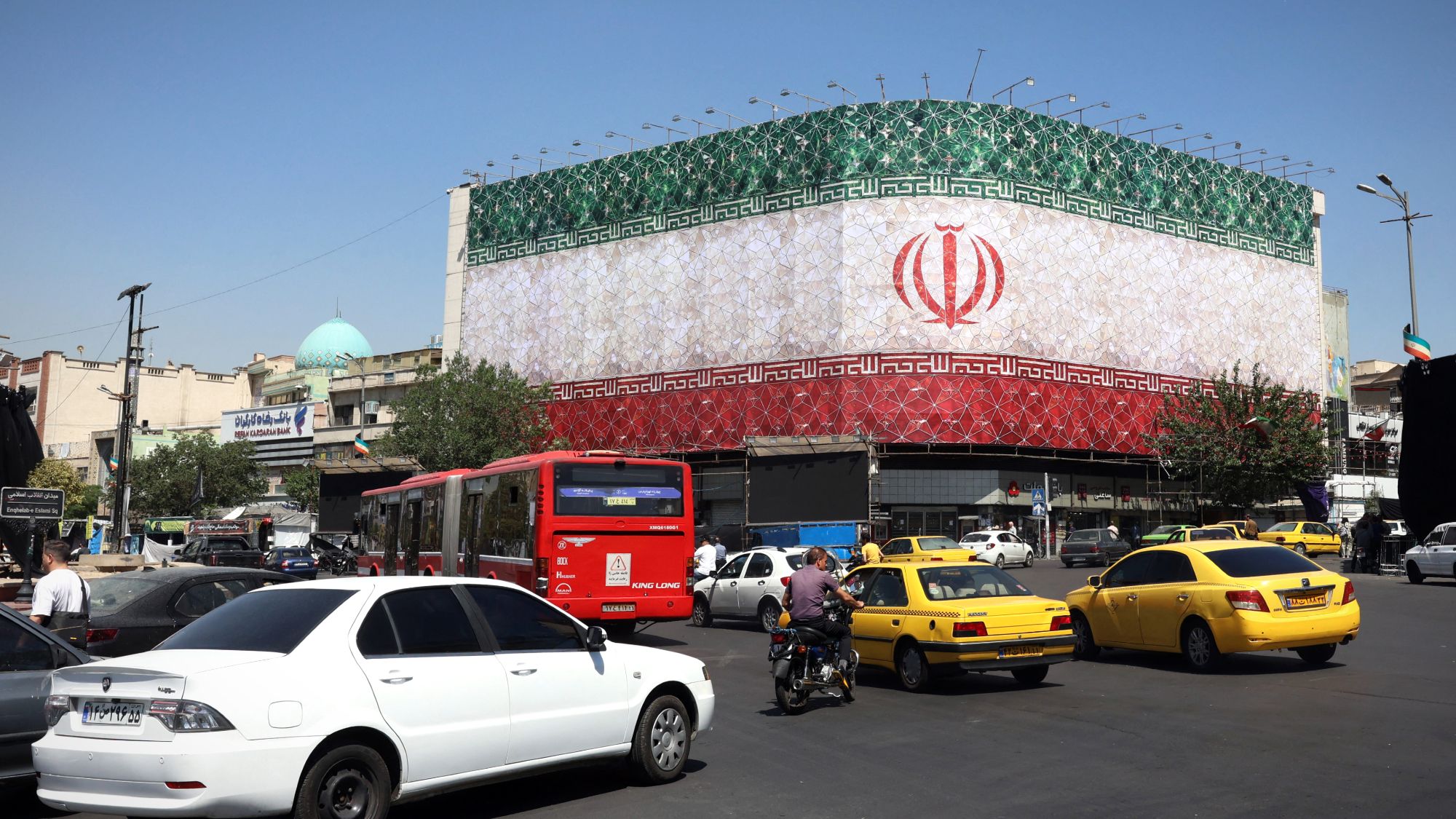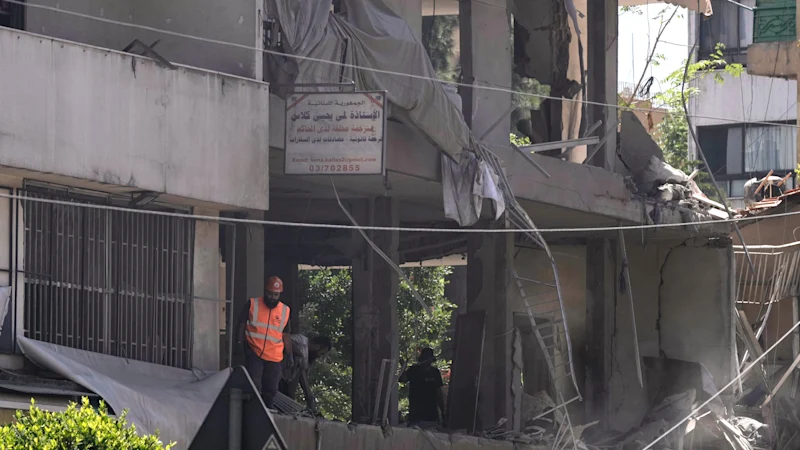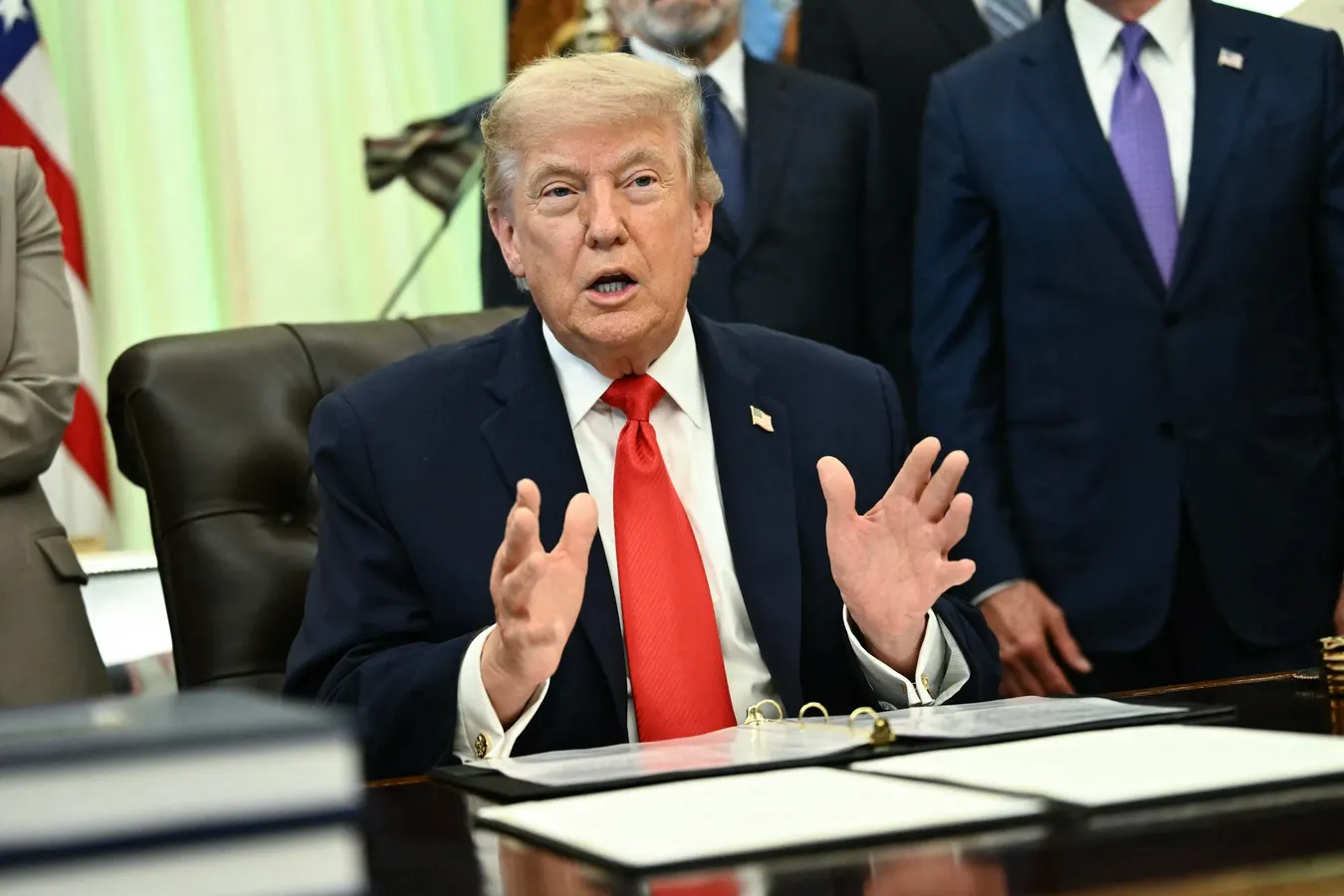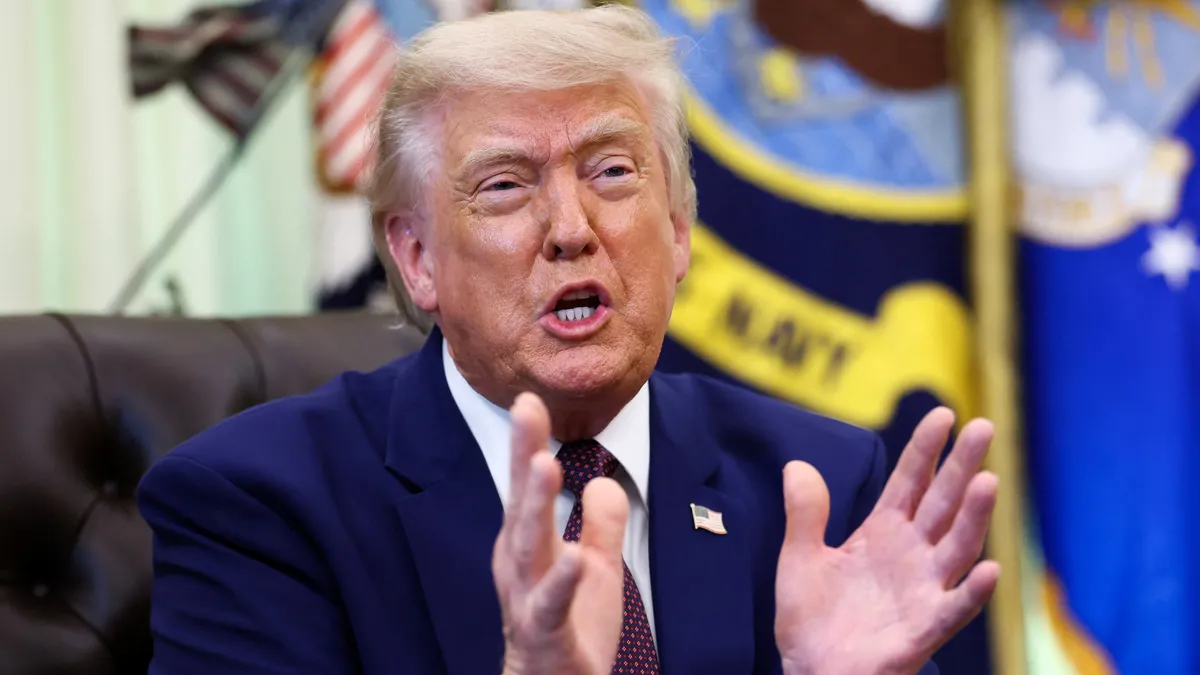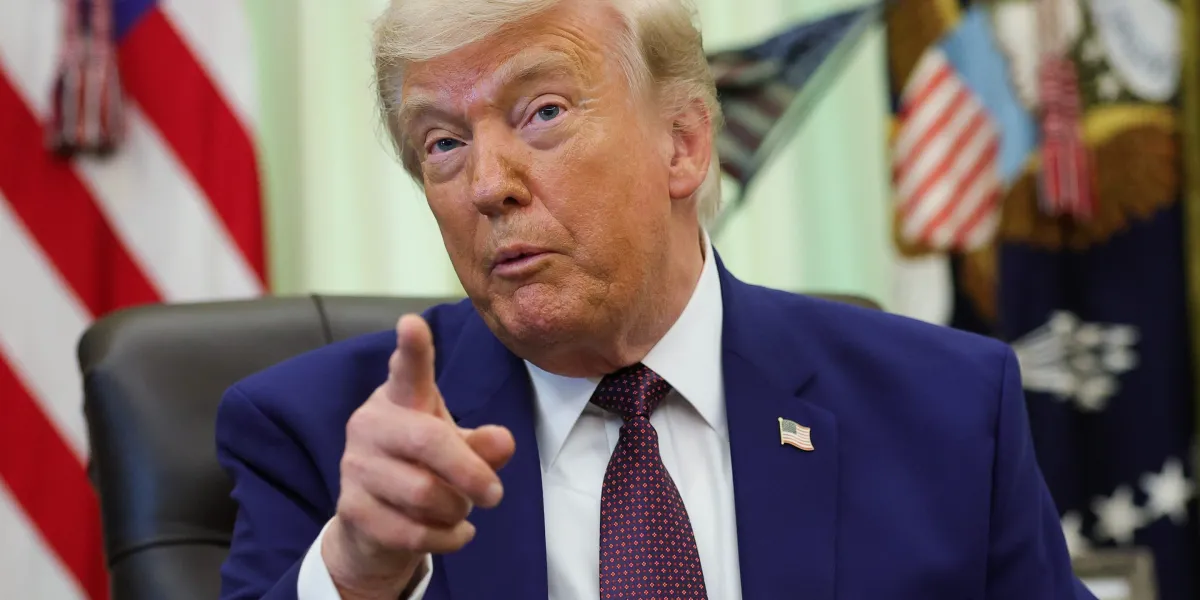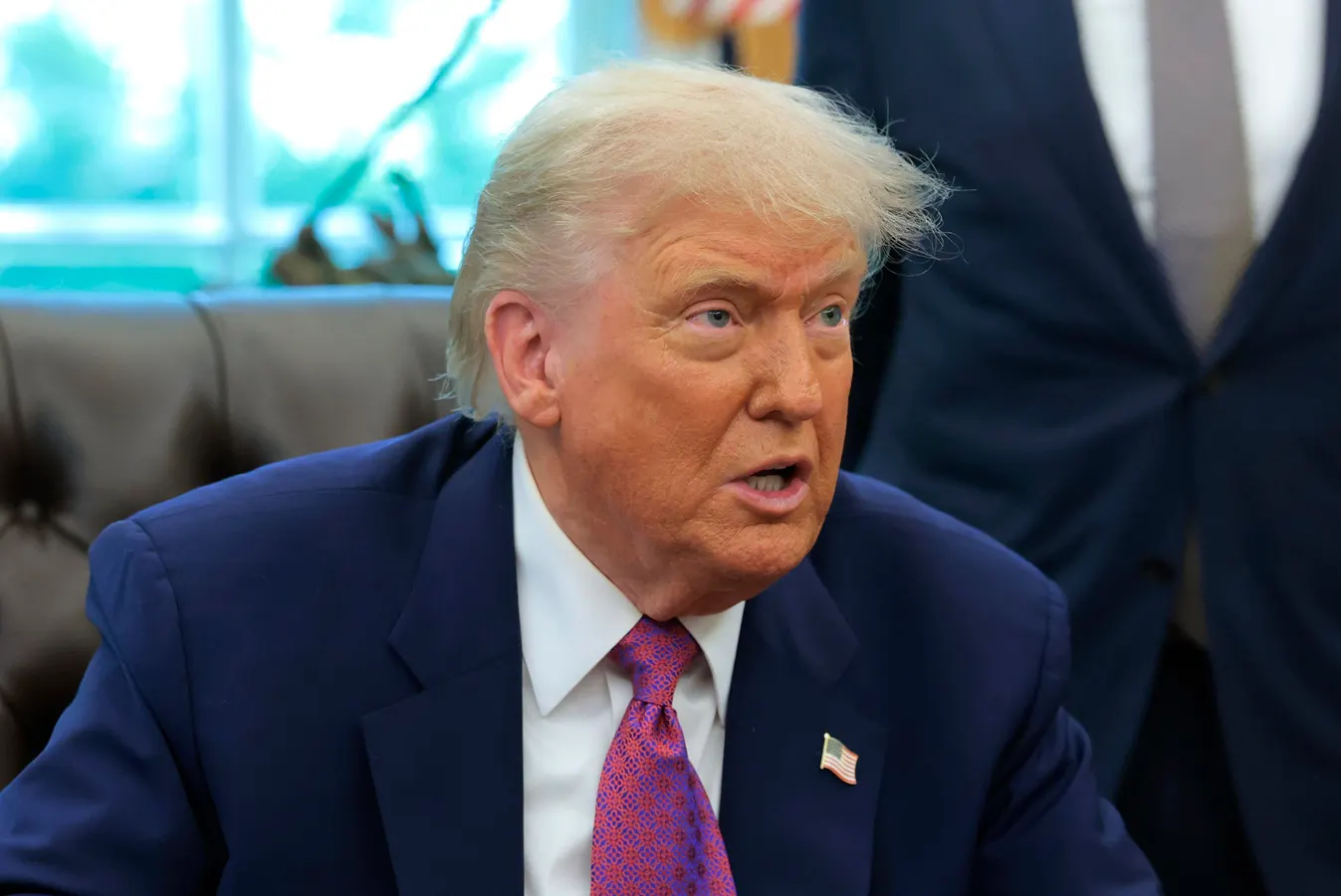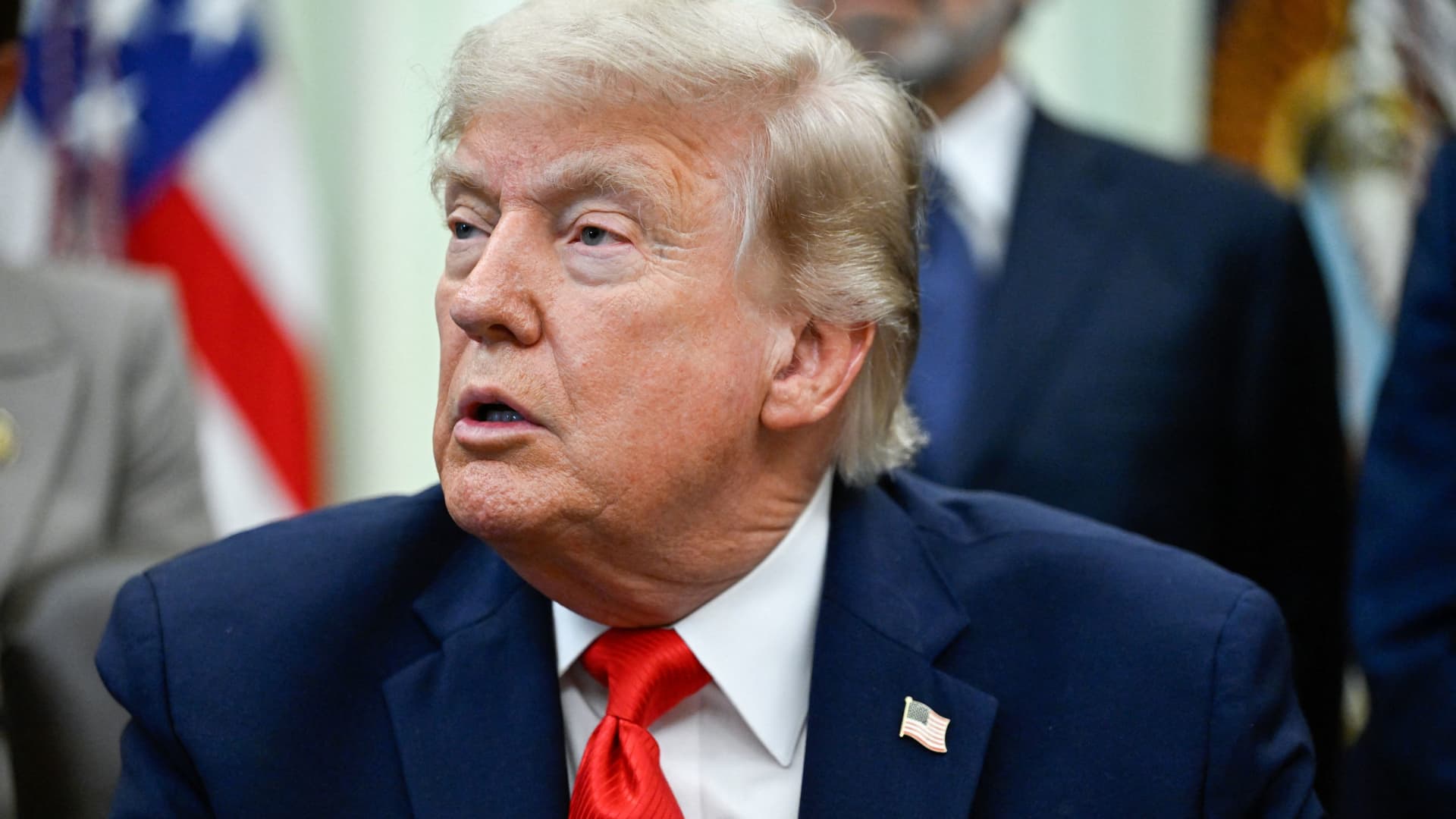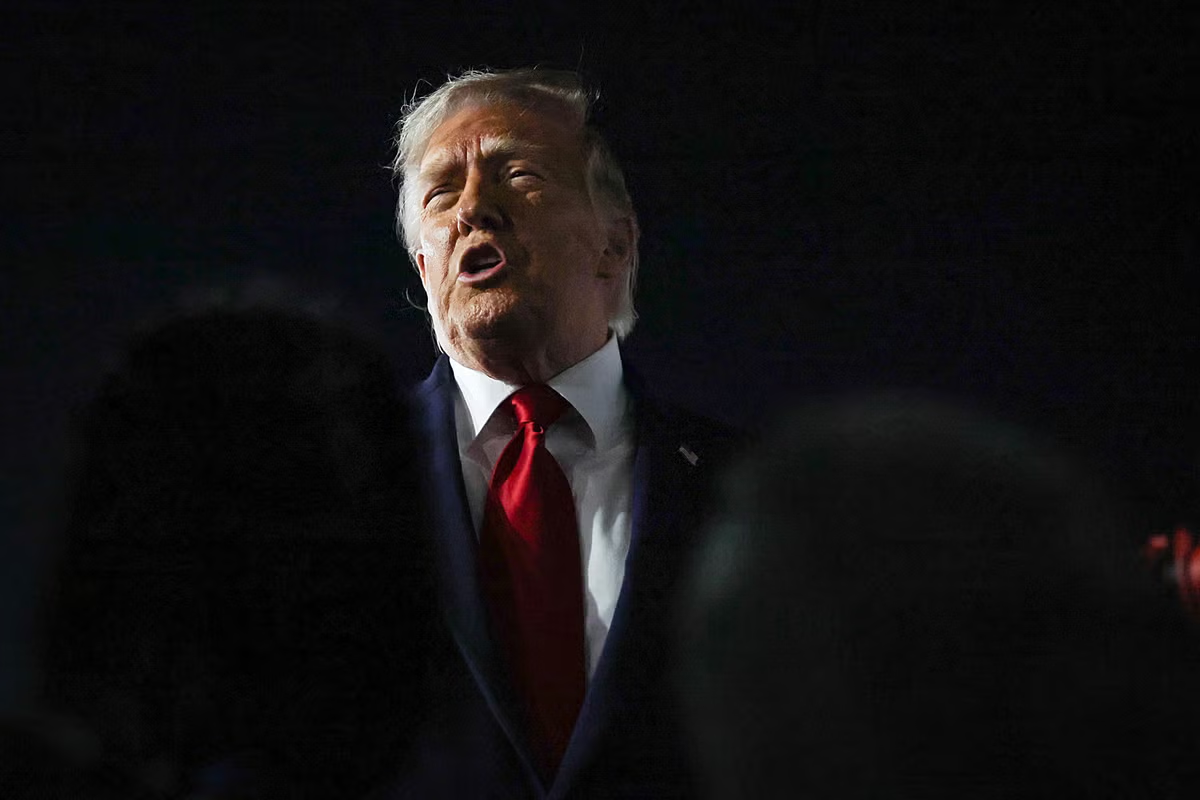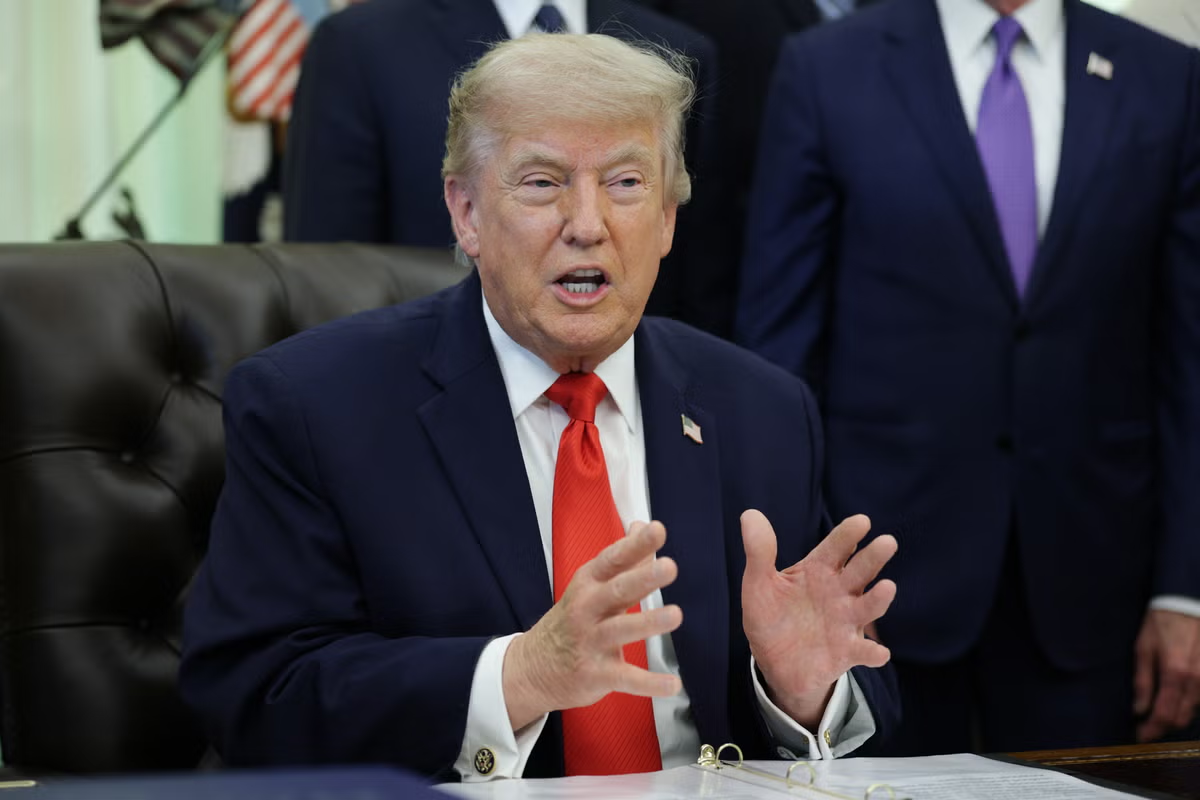
The U.S. and Iran have agreed to a peace deal, bringing an end to months of fighting that has sparked devastation across the region and upended the global economy since the conflict began in late February, U.S. and Pakistani officials announced on Sunday.The agreement, brokered after weeks of halting negotiations in Pakistan and then Qatar, will see a permanent ceasefire implemented as well as the reopening of the Strait of Hormuz. Both sides will now enter talks to iron out the details of the agreement and move forward on longer-term issues, including key questions such as uranium enrichment and sanctions.“The Deal with the Islamic Republic of Iran is now complete,” Trump wrote on Truth Social on Sunday afternoon. “Congratulations to all! I hereby fully authorize the toll free opening of the Strait of Hormuz, and, simultaneously herewith, authorize the immediate removal of the United States Naval blockade. Ships of the World, start your engines. Let the oil flow!”Moments earlier, Pakistani Prime Minister Shehbaz Sharif telegraphed a similar message.“Following intensive talks, we are pleased to announce that the Peace Deal between the United States of America and Islamic Republic of Iran has been REACHED,” Sharif wrote on X. “Both sides have declared the immediate and permanent termination of military operations on all fronts, including in Lebanon.”A deal to end the monthslong war in Iran has been reached, US and Pakistani officials announced on Sunday (Getty Images)He wrote that the signing ceremony would take place in Switzerland on June 19.“With the agreement now in place, mediators will facilitate a series of meetings this week,” Sharif added. “These pre-implementation discussions will lay the foundation for the technical talks and the official signing ceremony.”Also on Sunday, Iranian state television reported that Iran “forced” the U.S. to accept a peace deal, and that traffic through the Persian Gulf will now be regulated by Iran and Oman, according to Reuters.The agreement follows reports on May 28 that U.S. and Iranian negotiators had agreed to a 60-day extension of the existing ceasefire, which was first reached in early April and then extended weeks later. Both sides accused each other of breaking the ceasefire.Among the key priorities for both countries during negotiations were Iran's commitment to a moratorium on nuclear enrichment, while the Islamic Republic sought the removal of economic sanctions that have crippled the country’s growth for over 45 years. Iran has also sought the release of billions in frozen Iranian funds, according to Axios.Today’s peace deal follows multiple declarations in recent months from President Trump that the war with Iran had already effectively ended, only for hostilities to continue, despite the president’s promise that the conflict would be a brief campaign of a few weeks.In early May, the Trump administration told U.S. lawmakers that hostilities had been “terminated” as a result of the ceasefires, stopping the clock on a crucial deadline for congressional approval of the war.The war has caused chaos in the Strait of Hormuz, a vital trade route through which 20 percent of the world’s oil once passed (AFP/Getty)Economies across the world are watching to see how quickly negotiators can free up oil traffic through the vital Strait of Hormuz, which slowed to about 10 percent of pre-war levels in late May in the face of Iranian mines and gunboats, plus a US blockade of Iranian ports.Even if traffic picks back up, the political and human damage of the conflict will be lasting.The war drove a wedge between the U.S. and its traditional European allies, as NATO countries earned furious criticism from the Americans for not joining the war.Thousands of people have been killed in the fighting since the U.S. and Israel launched a joint bombing campaign on Iran on 28 February, killing Ayatollah Khamenei. The war spread into southern Lebanon as Hezbollah vowed to avenge the Supreme Leader’s death, engaging Israeli forces.More than 3,200 people have been killed by Israeli attacks on Lebanon, according to the Lebanese health ministry. Over 3,400 people have been killed in Iran, according to HRANA, with thousands more injured. During the conflict, 13 US service personnel have died.The war has also wreaked havoc on global oil supplies after Iran closed the Strait of Hormuz shortly after the very beginning of the war. The vital shipping route is the waterway through which one-fifth of the world’s oil and gas passes.
What we know as Trump says peace deal reached with Iran
‘Ships of the World, start your engines,’ Trump wrote on Truth Social on Sunday afternoon
721 words~3 min read