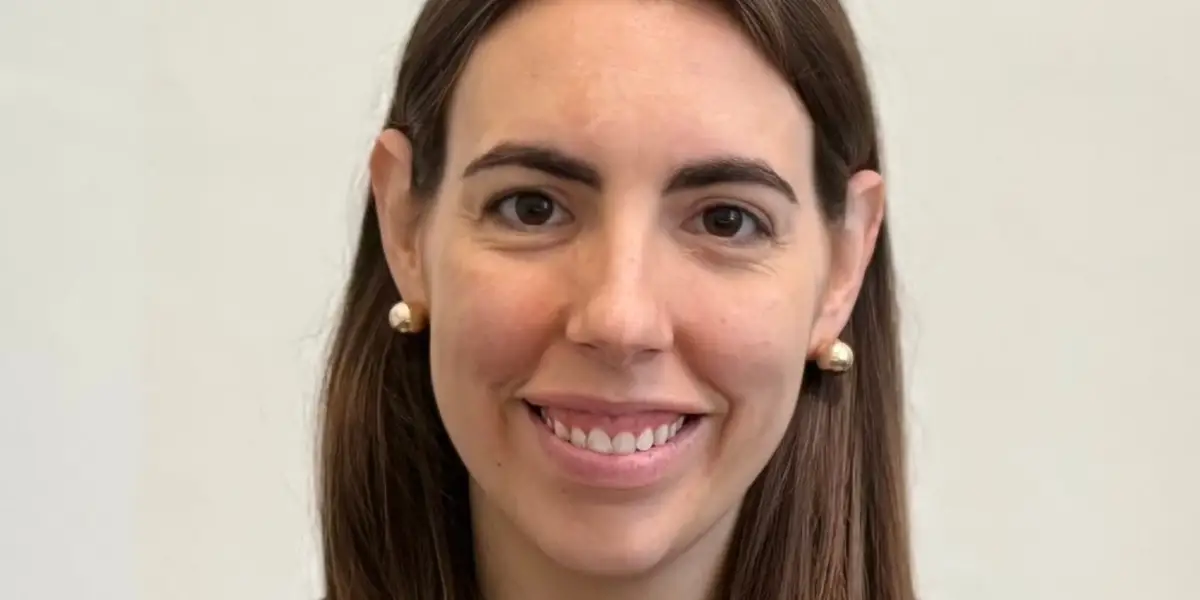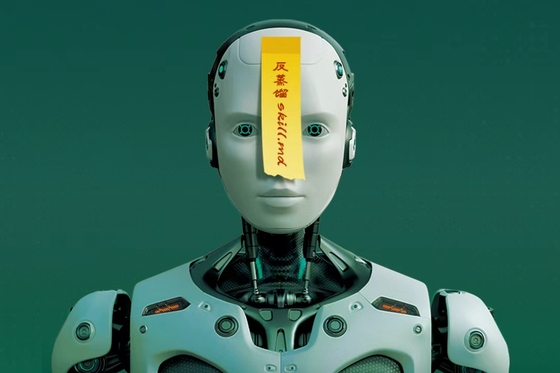
1. A former video editor named Li Yao discovered her voice was being used in company ads after she resigned, cloned by AI without her consent. This reflects a broader workplace trend where companies use AI to capture workers’ decision-making logic and personality traits to create "digital employees," rooted in the concept of "model distillation" — converting individual expertise into a permanent corporate asset. [para. 1][para. 2][para. 3][para. 4]2. For employees, this poses an existential threat: they are often forced to hand over personal data and knowledge to train AI systems that may replace them. In response, tech-savvy workers have developed open-source tools to subvert corporate data extraction, sparking debates over ownership of a worker’s digital legacy after employment ends. [para. 5][para. 6]3. Three years ago, AI disruption threatened basic knowledge work and art creation; now it targets individual work processes, judgment, and personality. Companies want workers to translate intuition and experience into prompts and workflows for AI systems, with the goal of continuity — even after an employee leaves. For many, training their AI replacement is now an implicit part of the job. [para. 7][para. 8][para. 9][para. 10]4. Stanford student Xu Kejia interned at a Chinese tech giant writing animation scripts, but her real task was teaching AI to write with a human feel — often slower than doing it herself. She noted that those who train AI might become obsolete themselves. The trend crystallized with "colleague.skill," an open-source AI agent that ingests a worker’s digital footprint to mimic their operating habits, igniting controversy over ethics. [para. 11][para. 12][para. 13][para. 14]5. In some workplaces, the practice is routine: a software engineer at a Seattle cloud provider said team experience was encoded into AI skills for code reviews. Meta launched a similar initiative to collect keystrokes and mouse clicks, causing backlash as employees called it an "employee data extraction factory," especially amid mass layoffs. [para. 15][para. 16][para. 17][para. 18]6. Executives are not exempt; digital twins are being developed to replicate high-performing CEOs. Beyond the workplace, after the death of college-admissions adviser Zhang Xuefeng, a project called "Zhang Xuefeng.skill" appeared to distill his expertise into an AI system. [para. 19][para. 20]7. The corporate push triggered a counteroffensive. Within a week of "colleague.skill" going viral, "anti-distillation.skill" appeared, allowing employees to "wash" knowledge documents — replacing core insights with "correct but useless nonsense" while preserving real expertise privately. The tool attracted over 4 million views, described as "fighting magic with magic." [para. 21][para. 22][para. 23][para. 24][para. 25]8. Another tool, "keep-a-hand.skill," helps workers identify and preserve hardest-to-replace skills like critical judgment while surrendering standardized procedures. The creator emphasized preserving humans’ irreplaceable parts in the AI trend. [para. 26][para. 27]9. Chinese courts have begun to rule that AI-driven upgrades do not automatically justify unilateral employment changes, but defending against digital cloning remains legally fraught. Uncovering AI infringement depends on manual discovery, making litigation lengthy and expensive; only celebrities often prevail, and compensation falls short. [para. 28][para. 29][para. 30]10. Li Yao spends evenings scrolling through videos to find her cloned voice and report it — a grinding process as deleted ads are quickly replaced. Legal experts note a gap around property rights for extracted labor data: employment contracts don't automatically grant indefinite AI use of personal information or personality traits. [para. 31][para. 32][para. 33]11. Extracting behavioral logic blurs work commitments and personal rights; under China’s Civil Code, AI-generated voice or style recognizable as a specific person may infringe personality rights. Data-collection methods also may violate China’s Personal Information Protection Law, which requires data processing to be "necessary for HR management." The biggest obstacle is evidence: proving a company used specific employee data to train a model is extremely difficult. [para. 34][para. 35][para. 36]12. To address the imbalance, some experts advocate for a "data dividends" mechanism allowing workers to share in value generated from their extracted skills. They argue labor law should move from protecting jobs to protecting labor behaviors, recording each human-machine collaboration as a compensable asset. The anti-distillation movement reflects a desire to preserve humanity: AI should not replace humans in human tasks but handle what humans cannot or do not want to do. [para. 37][para. 38][para. 39][para. 40]AI generated, for reference only
Cover Story: When Employees Leave, Their AI Clones Carry on Working
With companies copying employees’ skill sets into digital assets, a fierce debate has blown up over who owns your work persona
TL;DRAI
Companies clone employees via AI model distillation, extracting voice and decision logic for permanent 'digital employees' without consent. For tech managers: retention risk and AI-governance gaps (personality rights, data ownership) vs. workflow automation upside.
698 words~3 min read